The best coffee in Jávea: how to order it right
Spanish coffee culture runs on its own vocabulary and its own clock, and getting both right turns a five-minute stop into one of the nicest small rituals of a day here. This is the honest guide to what to order, when, and how the terrace bill works — no names, just the logic.
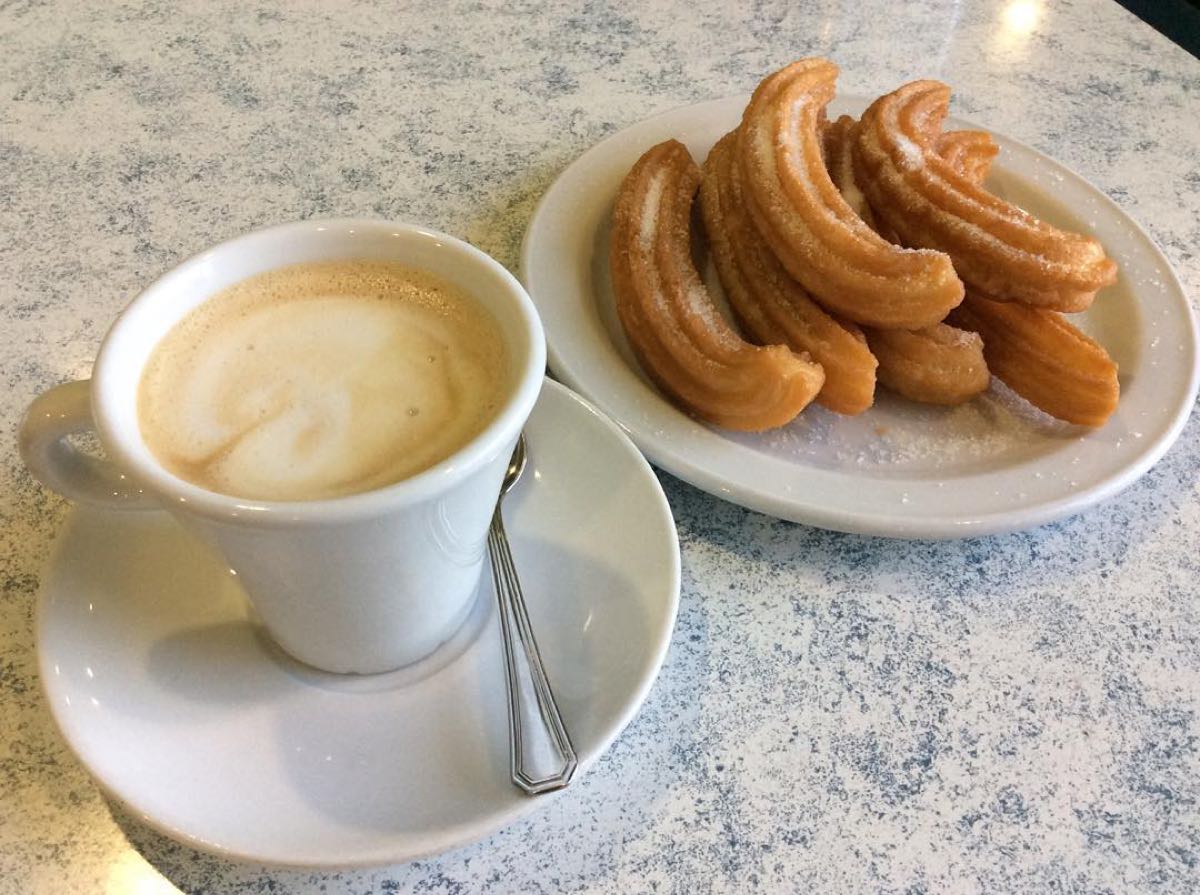
How to order coffee like you've done it before
Spanish coffee has its own short, precise vocabulary, and knowing three or four words gets you further here than in almost any other part of daily life. Nobody expects a visitor to have it memorised, but ordering a "café con leche, grande" instead of pointing and hoping earns a flicker of recognition — and gets you the drink you actually wanted rather than a small, strong shot you weren't expecting.
The core order: solo, cortado, con leche
Café solo is a small black espresso. Cortado is the same shot "cut" with a splash of hot milk — the drink most locals reach for through the day. Café con leche is the milkier, breakfast-table version, roughly half coffee and half hot milk, and rarely ordered after midday. Get these three right and you can order confidently anywhere on the coast, not just here.
Carajillo and café bombón: the flourishes
A carajillo — coffee with a shot of brandy, rum or whisky stirred through — is a genuinely local after-lunch order, not a breakfast one, and worth trying once if you're not driving. Café bombón, espresso poured over a layer of condensed milk in a small glass, is sweeter and more of a treat order than an everyday habit. Neither is aimed at tourists; both are ordinary parts of the local coffee vocabulary.
Barra versus terraza: the pricing logic
Almost everywhere in Spain, standing at the counter (barra) is cheaper than sitting at a table, and sitting on a terrace is usually the priciest tier of the three — table service costs more to run than a five-second exchange at the bar, and the price reflects that. It's not a trick and it's not specific to tourist areas; it's just how the economics of café service work here, and it's worth knowing before a terrace bill surprises you.
Specialty coffee has arrived — alongside the old guard
A newer wave of specialty, third-wave-style coffee has genuinely landed in Jávea over recent years, sitting alongside — not replacing — the traditional bar-café where a strong, fast espresso has always been the point. Neither style is more "authentic" than the other; they're answering different questions, and the town is large enough now to support both comfortably.
When locals actually drink each one
Milky coffees belong to the morning; after lunch, the order shifts to something short and strong, often a solo or a carajillo. Ordering a large milky coffee at 6pm will get you served without comment, but it marks you out as not drinking on local time — which is a minor thing, but a real one if blending in matters to you.
Working from a café: the unspoken rules
Laptop-friendly cafés exist and are genuinely welcoming, particularly around the newer specialty spots, but the unspoken rule at a busy, traditional bar-café is different: one coffee doesn't buy an afternoon at a table during a lunch rush. Read the room — a quiet mid-morning terrace is fair game for a couple of hours; a packed lunchtime bar is not the place to open a laptop.
Milk alternatives and decaf
Oat and soy milk are increasingly easy to find, especially at the newer specialty places, though a traditional bar may only stock regular milk — it's worth asking rather than assuming either way. Decaf (descafeinado) is universally available and often served as a small sachet of instant alongside hot milk at more traditional bars, which surprises some visitors expecting a decaf espresso shot.
Summer's cold-coffee shift
Come summer, café con hielo (coffee with a separate glass of ice, stirred together at the table) and iced milky coffees become the default midday order, and menus shift to reflect it. It isn't the same as an American-style iced coffee brewed cold from the start — it's hot coffee, cooled deliberately, which changes the flavour balance slightly and is worth trying at least once.
How to order without hesitating
A short sequence gets you through almost any café order here confidently:
- Decide milky or short — con leche if you want it milky, solo or cortado if you don't
- Say the size if it matters to you — grande for large, otherwise the default is usually smaller than a northern-European "regular"
- Choose barra or a table — knowing this changes the price before you sit down
- Add "para llevar" if you want it to go — takeaway culture exists but is far less automatic than elsewhere
- Ask about milk alternatives if you need one, rather than assuming the menu lists them
How our directory helps
Café and brunch listings here are ranked from genuine visitor reviews, not advertising spend, so a strong position reflects real feedback. Use it to shortlist somewhere that matches the order you've just learned, then check current opening hours before you go.
Hurtige svar
What's the difference between a cortado and a café con leche? A cortado is a small espresso with just a splash of hot milk — mostly coffee, barely softened. A café con leche is roughly half coffee, half hot milk, milkier and gentler, and almost always a morning order rather than an all-day one. If you want something closer to a flat white, ask for a cortado in a larger cup; if you want a classic milky breakfast coffee, café con leche is the one.
Is it rude to ask for coffee to go in Jávea? Not rude at all, just less automatic than in the UK or US — takeaway cups exist and "para llevar" gets you one, but sitting down for even a five-minute coffee is still the cultural default, especially at barra prices. If you're in a genuine hurry, asking for it to go is completely normal; nobody will bat an eyelid either way.
Places in this guide
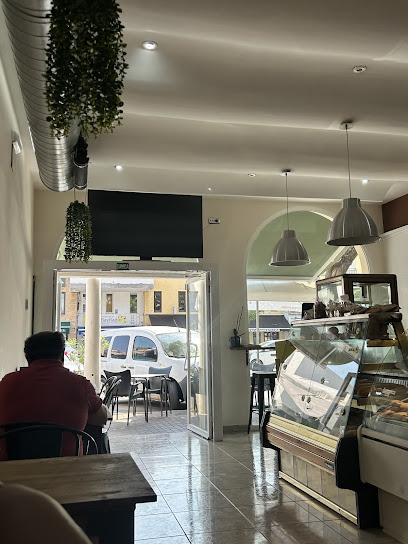
Karolida
★ 5 (80 anmeldelser · 2026-06-07)
SAÓ Mediterráneo
★ 5 (26 anmeldelser · 2026-06-07)
CaffèMilano-The Italian Coffee House , Jávea
★ 4.9 (353 anmeldelser · 2026-06-07)
Pastisseria Diego
★ 4.8 (138 anmeldelser · 2026-06-07)
Ingen hjemmesideChambao-Café Jávea
★ 4.8 (55 anmeldelser · 2026-06-07)
Ingen hjemmeside
Sublime
★ 4.8 (17 anmeldelser · 2026-06-07)
Ingen hjemmesideBrowse all Spise & Drikke in the directory →
Run one of these businesses? Claim your listing free →
You've just read the free guide — this pack is the working version you take with you.