Cova Tallada: the complete guide
A sea cave cut into the cliffs between Jávea and Dénia, half natural and half old sandstone quarry, reachable on foot along the coastal path or by kayak straight into its mouth. It's one of the most photographed spots on this stretch of coast — and one where heat, tide and access rules deserve more respect than the photos suggest.
What Cova Tallada actually is
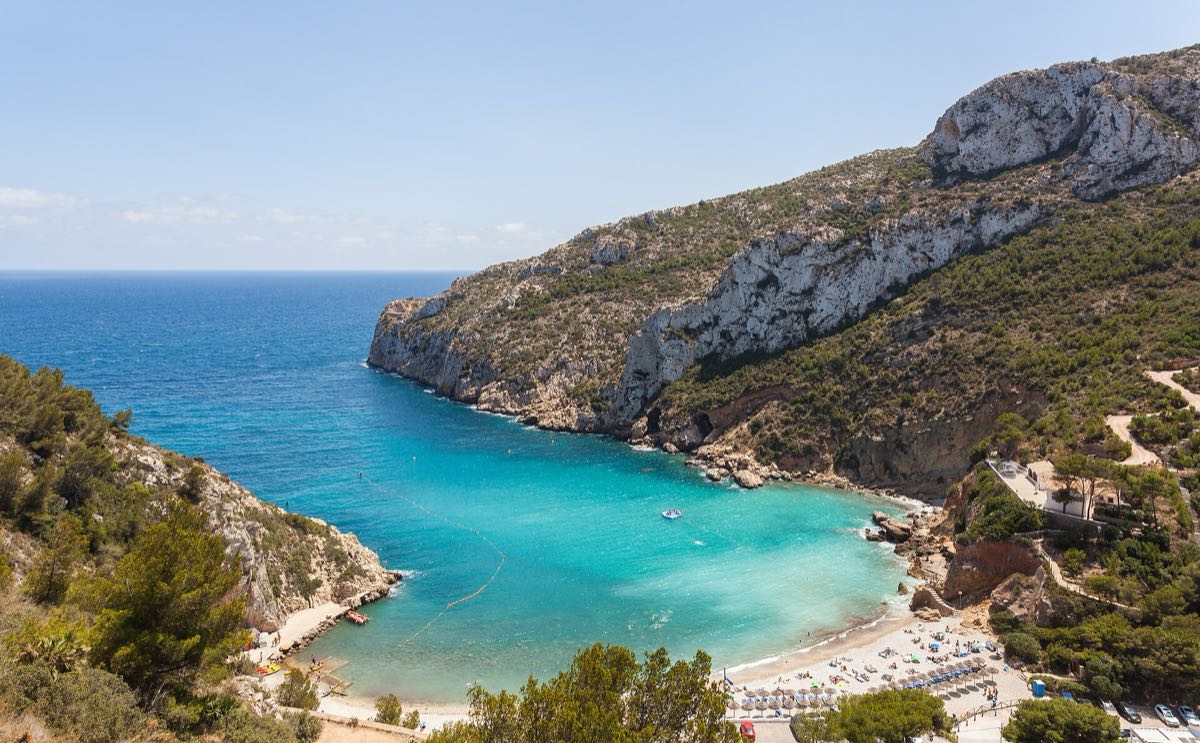
The name means "the carved cave" in Valencian, and it's literal: this is a natural sea cavern that quarry workers spent decades enlarging by hand, cutting sandstone blocks out of the cliff long before anyone came here to swim. What's left is a soaring, sculpted chamber open to the sea at one end, with square-cut quarry marks still visible on the walls next to the natural rock. It sits on the wild stretch of coast between Jávea's southern coves and Dénia's Les Rotes, below the Cap de Sant Antoni headland — no road gets anywhere near it, which is a large part of why it still feels found rather than signposted.
Getting there on foot
The standard approach is the coastal path from the Cala Barraca / Les Rotes side, threading along cliffs and through pine scrub with the sea constantly in view below. Count on roughly forty-five minutes to an hour each way, over uneven rock and packed earth rather than a smooth trail — trainers with real grip are the minimum, and flip-flops are a genuine liability on the final scramble down to the water. There's no shade for most of it and no services anywhere along the route, so this is a walk you plan around, not one you improvise on a whim.
Getting there by water
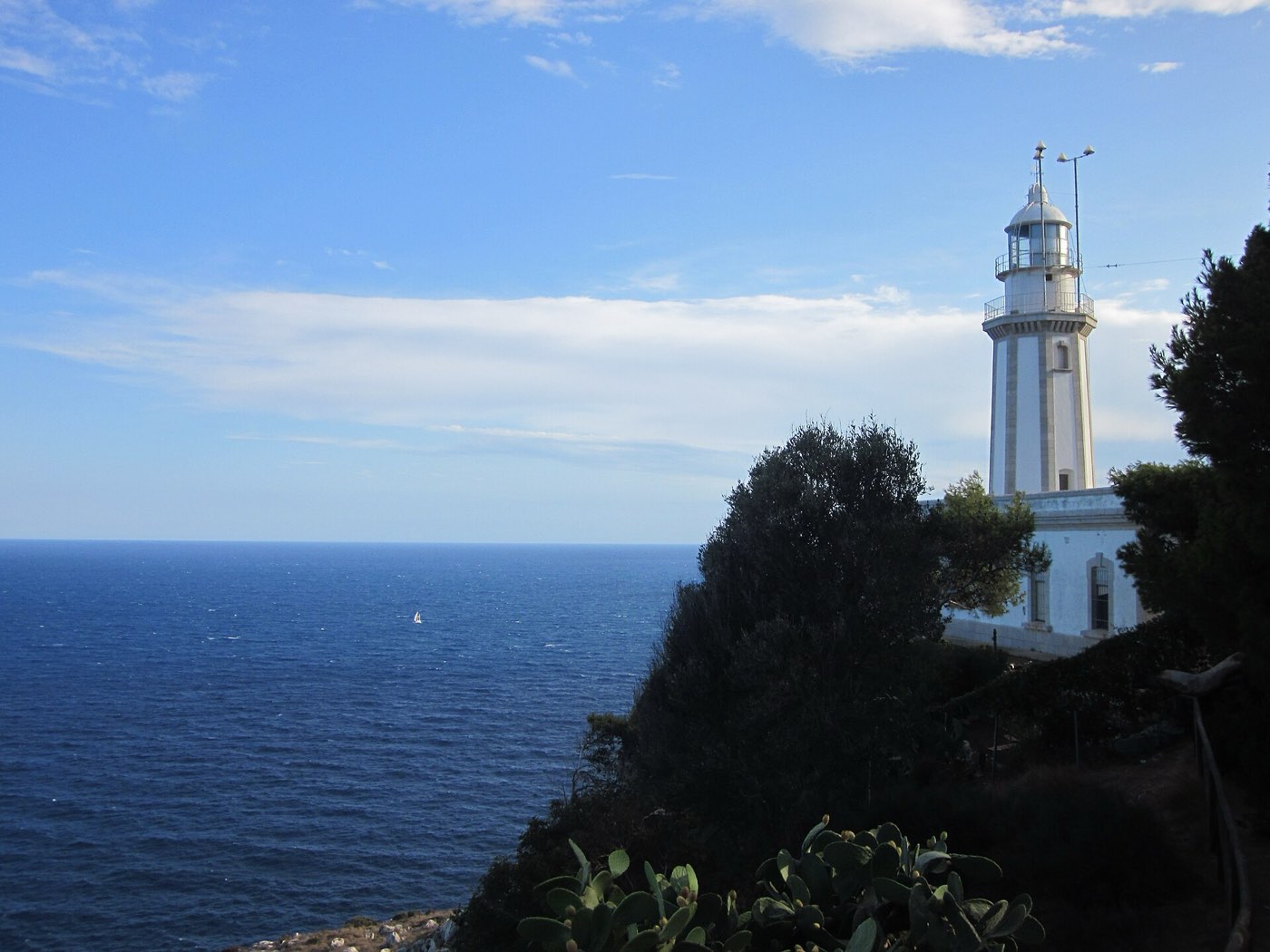
Kayak, stand-up paddleboard or a small hired boat is the other way in, and it's arguably the better one — you approach the cave mouth from the sea exactly as the old quarry boats once did, and can paddle straight inside when conditions allow. Local operators around Jávea and Dénia run guided kayak trips that include Cova Tallada on the route, which takes the navigation and local knowledge off your hands entirely.
Inside the cave
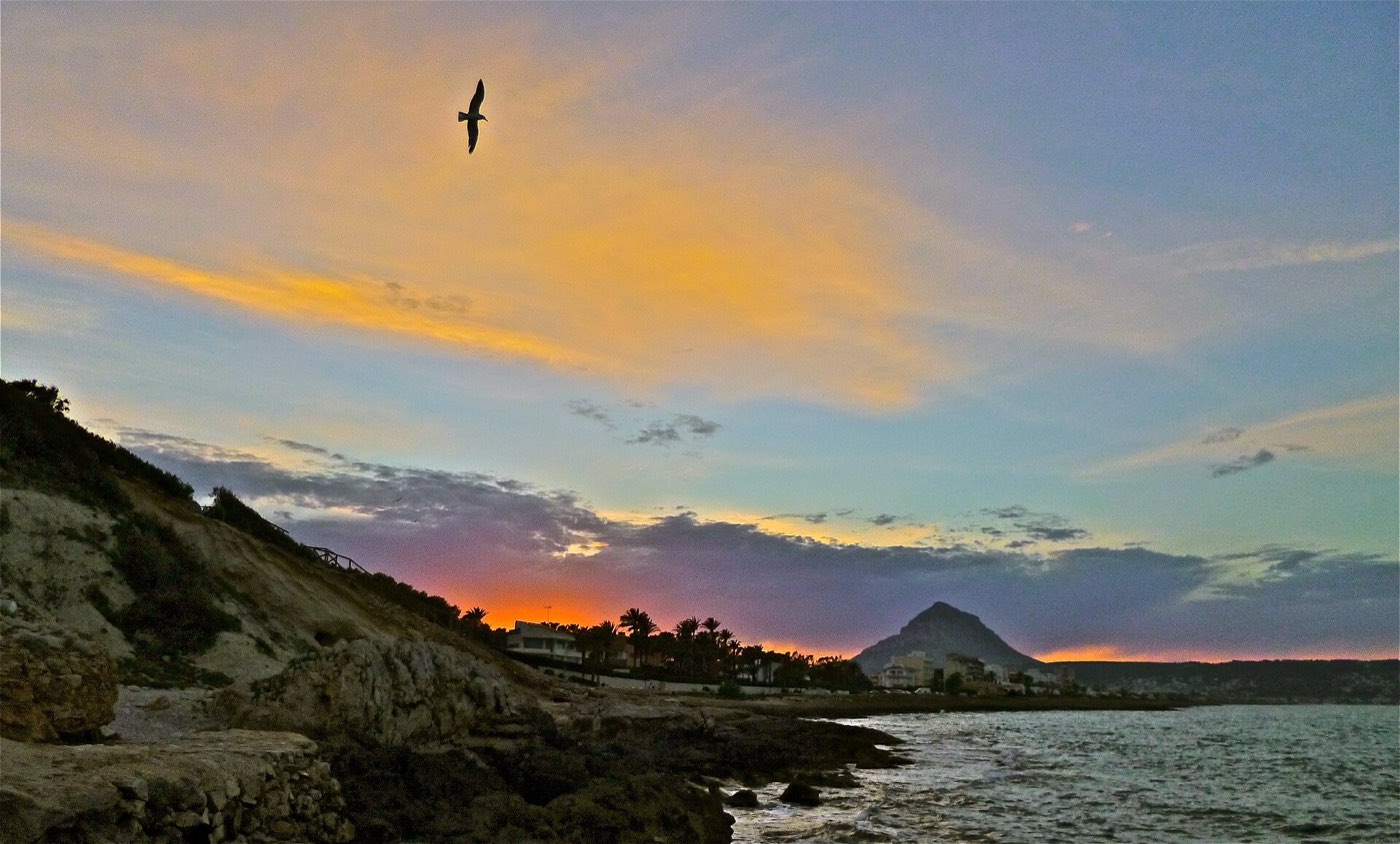
Once inside, the scale is the surprise — a high, cool chamber with shafts of light coming through gaps in the rock above, and water clear enough in calm conditions to see the bottom well out from shore. It's a genuinely striking place to swim, and photographs punch above their weight because the light does most of the work.
Safety first: heat and exposure
The approach walk has no shade and no water source, and the temptation in July and August is to underestimate both because the destination looks so cool and inviting. It isn't a short stroll — treat it like any exposed coastal walk in summer: start early, in the morning before the heat builds, and carry more water than feels necessary.
Safety in the water
The cave sits on open coast, not a sheltered bay, and conditions that look calm from the clifftop can carry real swell and current at the entrance itself. Swimming here is not the same undertaking as a flat, sandy beach day: check the sea state before you commit to swimming into or through the cave mouth, and don't attempt it if there's any meaningful swell running. This is exactly the kind of spot where a confident swimmer on a calm day has a wonderful time, and the same spot on a rougher day is genuinely dangerous — the difference is entirely about reading conditions honestly, not about bravado.
Access rules and visitor numbers
Cova Tallada's popularity has outpaced its size for several summers running, and local authorities on both the Jávea and Dénia sides have responded in peak season with measures to manage how many people are on site at once — this has included capped numbers and, in some years, a permit or registration step for the busiest weeks. These rules have changed from year to year rather than settling into a fixed system, so treat anything written here as a starting point rather than the current word: check locally, or with a guided operator, before you plan a summer visit around it.
Best time to go
Spring and autumn give you the walk without the worst of the heat and a good chance of having the cave largely to yourself. Midsummer brings warmer water and the liveliest atmosphere but also the biggest crowds and the tightest access management — if solitude matters more than warm water, shift the trip a month or two either side of peak season.
What to bring
Pack lighter than a beach day and heavier on water than instinct suggests, since there's nowhere to refill or buy anything along the route.
Hurtige svar
Is Cova Tallada suitable for children? Older, confident children who can manage a rocky coastal walk and calm-water swimming do well here, but it's not a toddler-friendly outing — there's no easy pram access, no shade, and the water entry involves rocks rather than sand. Families with younger children are generally better served by one of Jávea's sandy beaches, with Cova Tallada saved for when the kids are a little older.
Do I need a permit to visit Cova Tallada? Not always, but peak-summer access has been actively managed in recent years, sometimes including capped numbers or a booking step for the busiest weeks. Because these rules change year to year, confirm the current position locally or with a guided kayak operator before building a summer trip around it — don't rely on last year's information.
Places in this guide

Kanaloa Aventura
★ 5 (317 anmeldelser · 2026-06-07)

Freediving Jávea
★ 5 (63 anmeldelser · 2026-06-07)
Scuba Diver Javea
★ 5 (30 anmeldelser · 2026-06-07)

DIVING PORT JAVEA
★ 4.9 (381 anmeldelser · 2026-06-07)
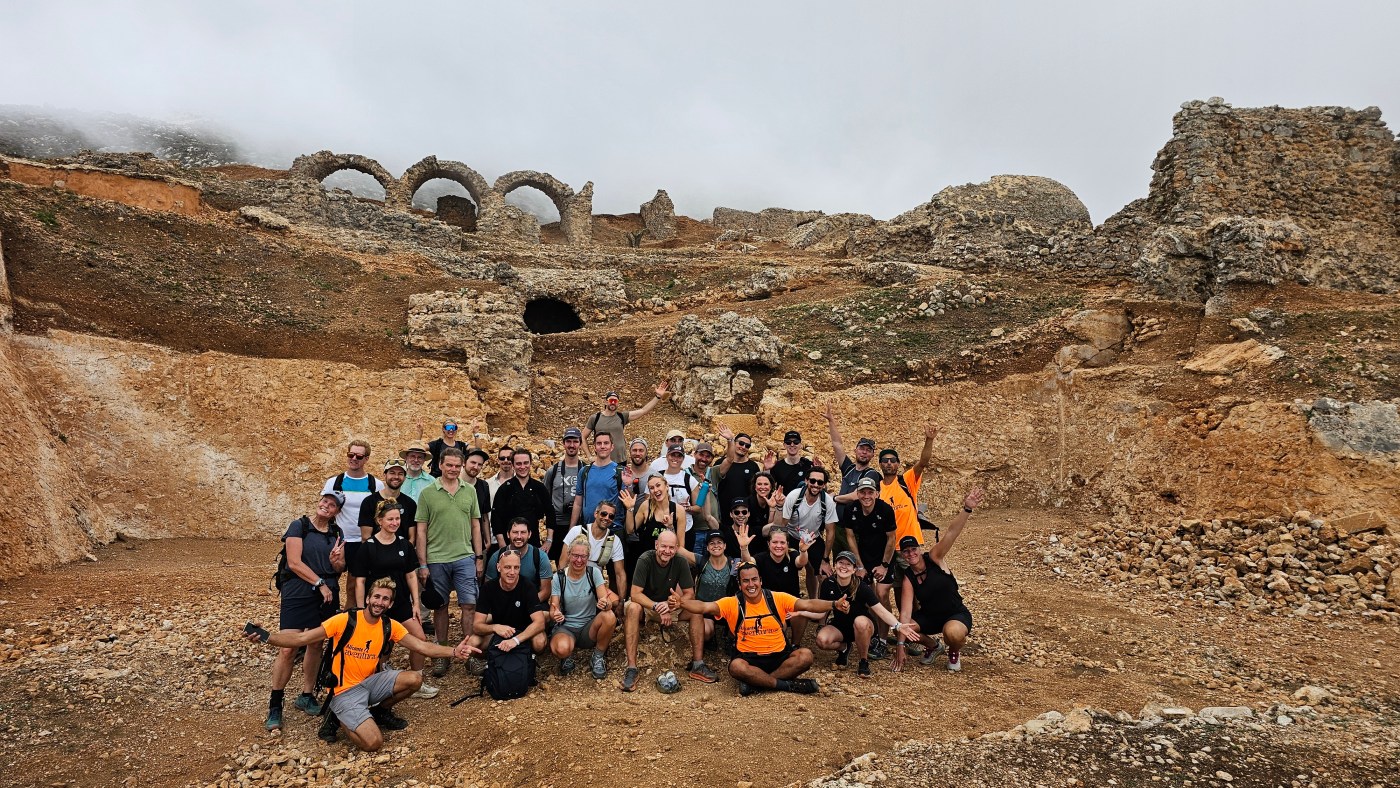
Alicante Aventura
★ 4.9 (263 anmeldelser · 2026-06-07)

La Rana - Rutas guiadas en Kayak Javea
★ 4.8 (226 anmeldelser · 2026-06-07)
Browse all Oplevelser in the directory →
Run one of these businesses? Claim your listing free →
You've just read the free guide — this pack is the working version you take with you.