Solar panels for Jávea villas: how it works
This coastline gets more sun than most of Europe sees in a year, which makes solar an obvious fit for a villa — but orientation, self-consumption habits and the compensation scheme all shape whether it actually pays off. Rules and rates change: get current quotes and confirm the terms before committing.
Why solar suits this coastline
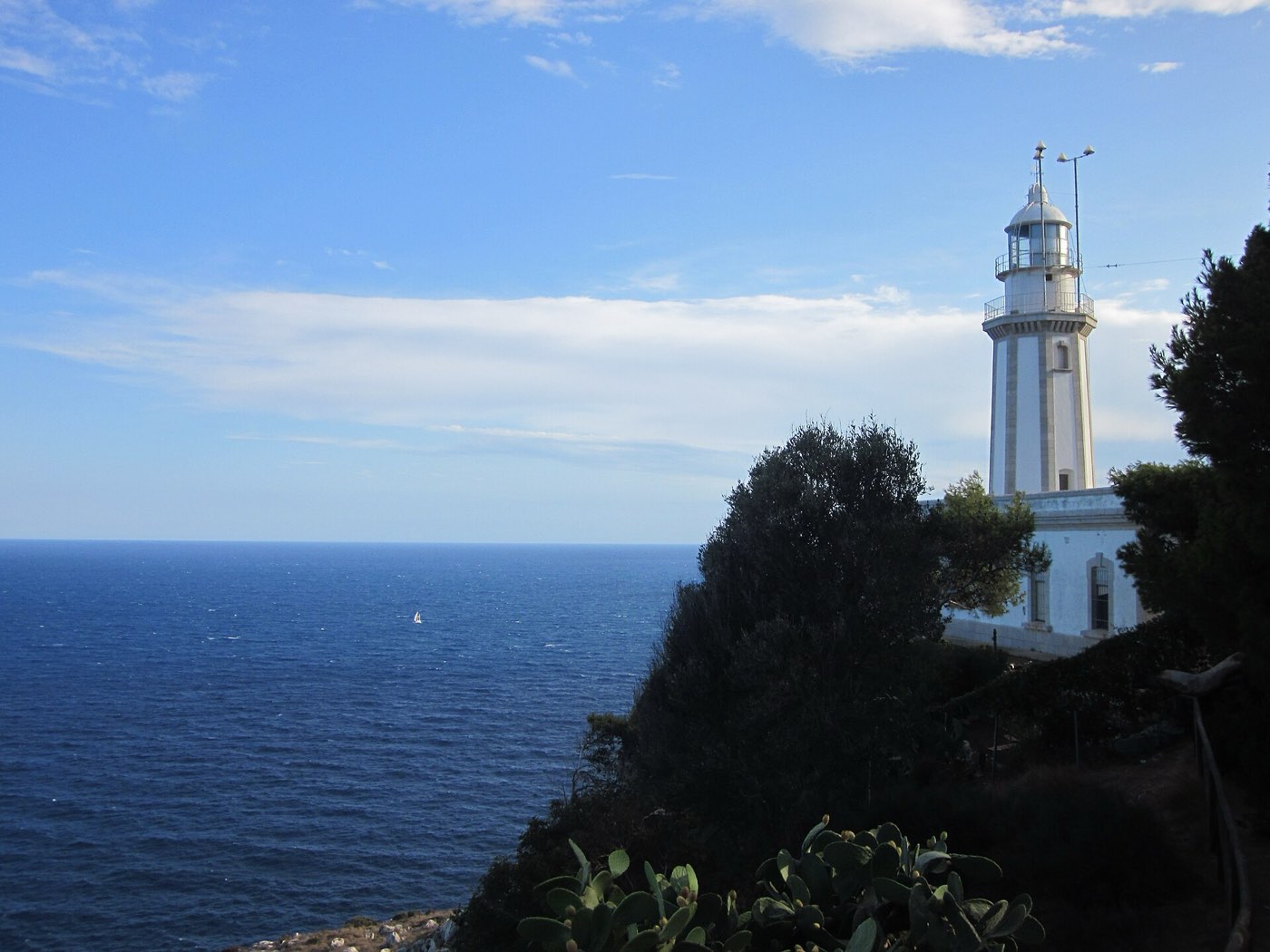
The Costa Blanca gets a genuinely high number of sunshine hours by European standards, and a villa roof here — usually unshaded by neighbouring buildings, often flat or gently pitched — is close to an ideal solar site before any other factor is even considered. That natural advantage is real, but it's the starting point for a decision, not the whole of it; orientation, roof space and how you actually use electricity through the day all shape whether a system pays for itself in a reasonable time.
How a villa system actually works
A typical residential system pairs roof-mounted panels with an inverter that converts the panels' DC output into usable AC electricity for the villa. Power generated during daylight is used by the property first; anything surplus either charges a battery, if one's fitted, or is exported to the grid under the current compensation scheme. None of this is exotic technology at this point — it's a mature, well-understood installation with a large and competitive installer market across the Valencian Community.
Orientation and roof space
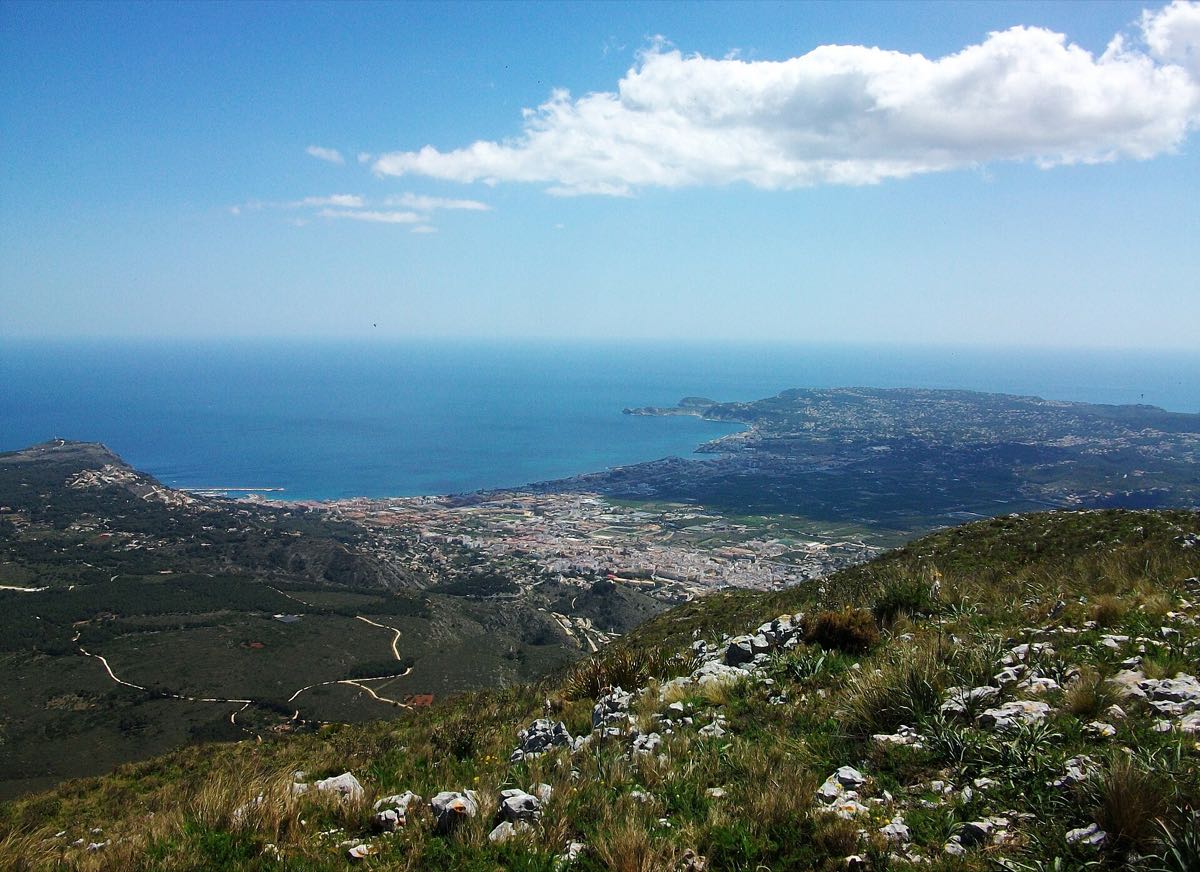
A south-facing roof with no significant shading from trees or neighbouring buildings gets the most out of a given number of panels; east- or west-facing roofs still work but generate less at peak times and more at the margins of the day. A good installer will survey your specific roof — pitch, orientation, shading through the seasons — rather than quoting from a generic assumption, and it's worth being wary of any quote that skips this step.
Self-consumption vs battery storage
The simplest and generally most cost-effective setup uses solar for self-consumption — running the villa's daytime electricity load directly from the panels, with any surplus exported under the compensation scheme. Adding a battery lets you store daytime surplus for evening use instead of exporting it, which matters more if your household uses significant electricity after dark (air conditioning overnight, an EV charging in the evening) than if your usage already peaks during daylight. Batteries add meaningfully to the upfront cost, so this is worth modelling against your actual usage pattern rather than assumed as automatically worthwhile.
The compensation scheme, framed honestly
Spain's compensación de excedentes scheme allows surplus solar energy exported to the grid to offset your electricity bill, rather than simply being lost. The mechanics — the rate you're credited, the billing cycle, which surplus qualifies — are set at a national and regional level and have changed before and will likely change again. Treat any specific rate or figure you read, including in marketing material from an installer, as provisional: get your installer to confirm the currently applicable terms in writing as part of any quote, and don't base a payback-period decision on a figure that might be out of date by the time the system is installed.
Permits and paperwork
A residential solar installation typically needs a formal registration process before it can legally connect to the grid and benefit from the compensation scheme, alongside standard building notifications for the physical installation itself. A competent local installer should handle this as part of the service, but it's worth confirming explicitly what's included in a quote.
- Technical survey — installer assesses roof orientation, shading and structural suitability
- Grid connection registration — the formal step that allows legal export and compensation-scheme participation
- Building notification — a lighter-touch declaration to the ayuntamiento for most standard residential installations
- Installation and commissioning — the physical work, followed by a final inspection and sign-off
- Confirmation with your comunidad, if applicable — some developments have rules about visible roof alterations
Choosing an installer
Get at least two or three quotes from established local installers rather than accepting the first one, and ask each to explain their assumptions about your roof, your usage pattern and the current compensation terms rather than simply quoting a headline payback period. A reputable installer will be upfront that payback estimates are exactly that — estimates, dependent on usage, weather and scheme terms that can move.
New build vs retrofit
Fitting solar during a new build or major reform is generally simpler and cheaper than retrofitting an existing roof — the wiring, structural considerations and roof finish can all be planned in from the start rather than worked around afterwards. If you're already planning a reform, it's worth pricing solar as part of the same project rather than as a separate later decision; see our reforms and builders guide for how that kind of project typically runs.
What it doesn't solve
Solar reduces your electricity bill and, with a battery, your reliance on the grid — it doesn't, on its own, solve a poorly insulated villa's cooling costs in August, and air conditioning remains the single biggest summer electricity draw in most Jávea homes regardless of what's on the roof. Pairing solar with reasonable insulation and sensible aircon use gets the best result; solar alone, on an inefficient property, will underwhelm.
Who it suits
Solar suits year-round or long-stay residents with a suitable roof best, since the payback calculation depends on actually using or exporting the electricity generated across the year. Owners of a villa used only for a few weeks a year should model the numbers particularly carefully — the payback period stretches considerably when the property, and its electricity use, sits empty most of the year.
Kurze Antworten
How much does a solar installation cost for a Jávea villa? There's no honest fixed figure — cost depends on system size, roof complexity, whether a battery is included and current market prices, all of which move. Get several current quotes from local installers rather than relying on any published estimate, including this one.
Do I need permission from my comunidad to install solar panels? Possibly, if you're in a comunidad de propietarios and the installation affects a shared roof or is visible from outside your own unit — some developments have rules about external alterations. Check your comunidad's statutes and, where relevant, ask the administrador before committing to an installation.
Places in this guide
Redwood Solar S.L.
★ 5 (110 Bewertungen · 2026-06-07)

BonCasa Costa Blanca
★ 5 (55 Bewertungen · 2026-06-07)
General Pools
★ 5 (11 Bewertungen · 2026-06-07)

CHC Dénia Jávea S.L.
★ 5 (8 Bewertungen · 2026-06-07)
Keine WebsiteJavea Sombrillas
★ 5 (7 Bewertungen · 2026-06-07)
Keine WebsiteCardona Cardona
★ 5 (6 Bewertungen · 2026-06-07)
Keine WebsiteBrowse all Dienstleistungen in the directory →
Gehört Ihnen eines dieser Unternehmen? Eintrag kostenlos übernehmen →
You've just read the free guide — this pack is the working version you take with you.