Tabarca Island from the Costa Blanca
The furthest, and most different, day out from Jávea — a boat trip to a tiny walled old town and a protected marine reserve, sailing from Santa Pola or Alicante.
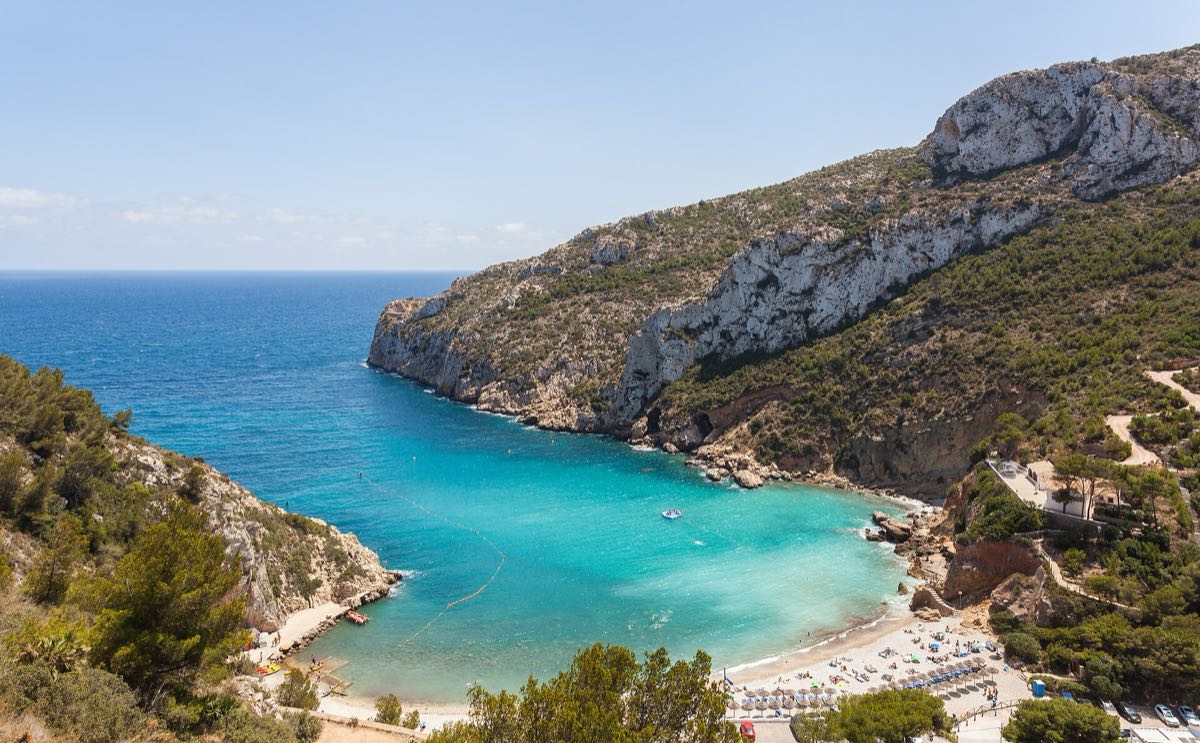
The furthest, and most different, day out
Tabarca is the outlier on this list — the only day trip from Jávea that ends with a boat rather than a car park, and the only one that gets you a genuine island: a tiny walled old town, a protected marine reserve, and water clear enough that it's as much a snorkelling trip as a sightseeing one.
Getting there
The most involved trip on this list, and worth planning properly.
- Drive south from Jávea via the AP-7 towards Alicante or Santa Pola (roughly 1 h to 1 h 30, depending which port you use).
- Park near the harbour at Santa Pola or Alicante, wherever your boat departs from.
- Board a scheduled boat service to Tabarca — check current timetables and book ahead, as services are reduced or seasonal.
- Allow the return crossing time in your day plan; boats run to a published schedule, not on demand.
The island and its old town
Tabarca is small enough to walk end to end in well under an hour, its old town enclosed by 18th-century walls originally built against pirate raids — a genuine curiosity for a Costa Blanca day trip, and quieter underfoot than almost anywhere else on this list once you're past the harbour. The scale is the whole point: there's no traffic, no sprawl, just a walled village and the sea on every side.
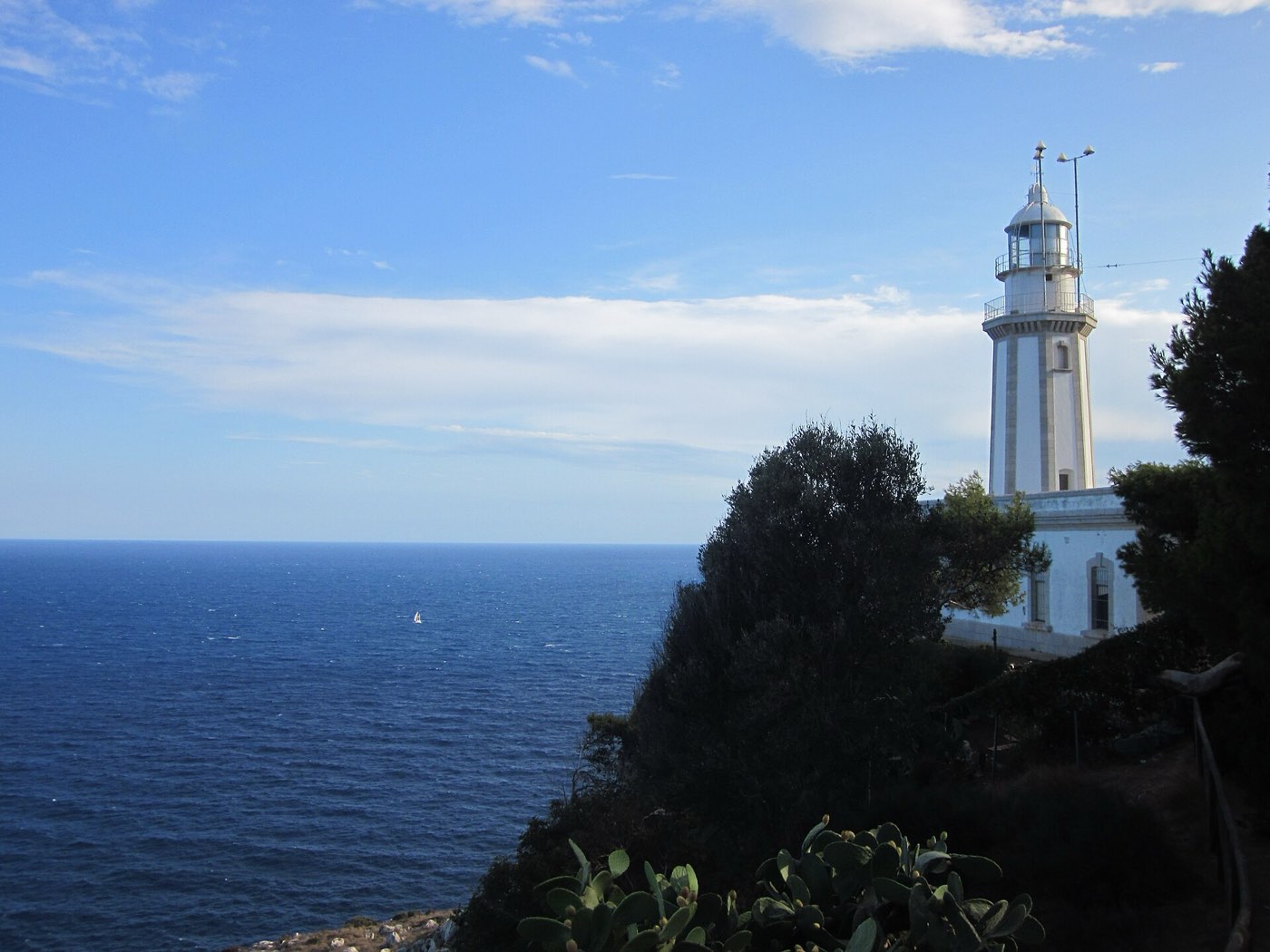
The marine reserve
The waters around Tabarca form a protected marine reserve, one of the oldest in Spain, and the clarity of the water is the main reason people make the trip at all. Snorkelling here is a genuine step up from most Jávea coves — better visibility, a healthier scatter of marine life, and water shallow enough near the harbour for confident swimmers to explore without any special kit.
What to bring
Snorkelling gear if you have it (some can be hired locally, but don't rely on it), reef-safe sun cream, and water — the island is small and doesn't offer the range of facilities a mainland town would. A hat and proper sun protection matter more here than almost anywhere else on this list; there's very little shade once you're away from the old town's narrow streets.
Where to eat
The island has a small run of restaurants near the harbour, largely geared around fresh fish and a straightforward lunch for day visitors — don't expect a wide choice, and treat the food as part of the island's simplicity rather than a destination in itself. Bringing your own snacks and water as a backup is sensible, given how limited the options are.
Best time to go
Late spring through early autumn is the realistic window — the water's warm enough for snorkelling and the boat services run their fullest timetable. Outside that season, sailings thin out considerably or stop altogether, so this is very much a warm-weather trip rather than a year-round one.
With kids
The island's flat, traffic-free old town is easy and safe for children to explore on foot, and the shallow water near the harbour suits confident young swimmers well. The boat crossing itself is part of the adventure for most kids, though it's worth checking sea conditions if anyone in your group is prone to seasickness — it's open water, not a sheltered harbour hop.
The safety and logistics reality
This is the one trip on this list where the weather genuinely decides your day — boat services can be delayed or cancelled in poor sea conditions, and Tabarca has limited shelter or facilities if you're caught out by a change in the schedule. Book your crossing, and ideally your return, in advance during the busy season, check current timetables rather than relying on last year's information, and build slack into your day either side of the crossing times.
How much time do you need?
A full day is the realistic minimum once you factor in the drive to the mainland port, the crossing itself, and the return journey — this isn't a trip you squeeze in alongside something else. Budget the best part of a day purely for Tabarca, with the island portion itself taking anywhere from two to five hours depending on your boat times.
Kurze Antworten
How do you get to Tabarca from Jávea? There's no direct route — drive to Santa Pola or Alicante (roughly an hour to an hour and a half from Jávea by road) and take a scheduled boat service from there, as Tabarca has no bridge or causeway. Check current timetables and book ahead, since services are reduced or seasonal outside the main summer months.
Is Tabarca worth visiting? Yes, if you want a genuinely different kind of day out — a tiny walled old town, a protected marine reserve and some of the clearest water on this stretch of coast. It takes more planning than the other trips on this list, given the drive to the port and the boat crossing, but it rewards the extra effort.
Places in this guide

Siesta Advisor
★ 5 (6049 Bewertungen · 2026-06-07)

Kanaloa Aventura
★ 5 (317 Bewertungen · 2026-06-07)

TRX Live Xàbia
★ 5 (100 Bewertungen · 2026-06-07)
Keine Website
Espacio van Eijle
★ 5 (81 Bewertungen · 2026-06-07)

Freediving Jávea
★ 5 (63 Bewertungen · 2026-06-07)

Feel Better – Your Personal Gym
★ 5 (57 Bewertungen · 2026-06-07)
Browse all Aktivitäten in the directory →
Gehört Ihnen eines dieser Unternehmen? Eintrag kostenlos übernehmen →
You've just read the free guide — this pack is the working version you take with you.