The best beaches for kids in Jávea
One beach does most of the work — the Arenal's shallow, gently shelving sand, lifeguards and promenade facilities make it the honest default for young children — but La Grava, the rockpools and a little planning around heat and timing open up a wider, better family coast than a single answer suggests.
The short answer
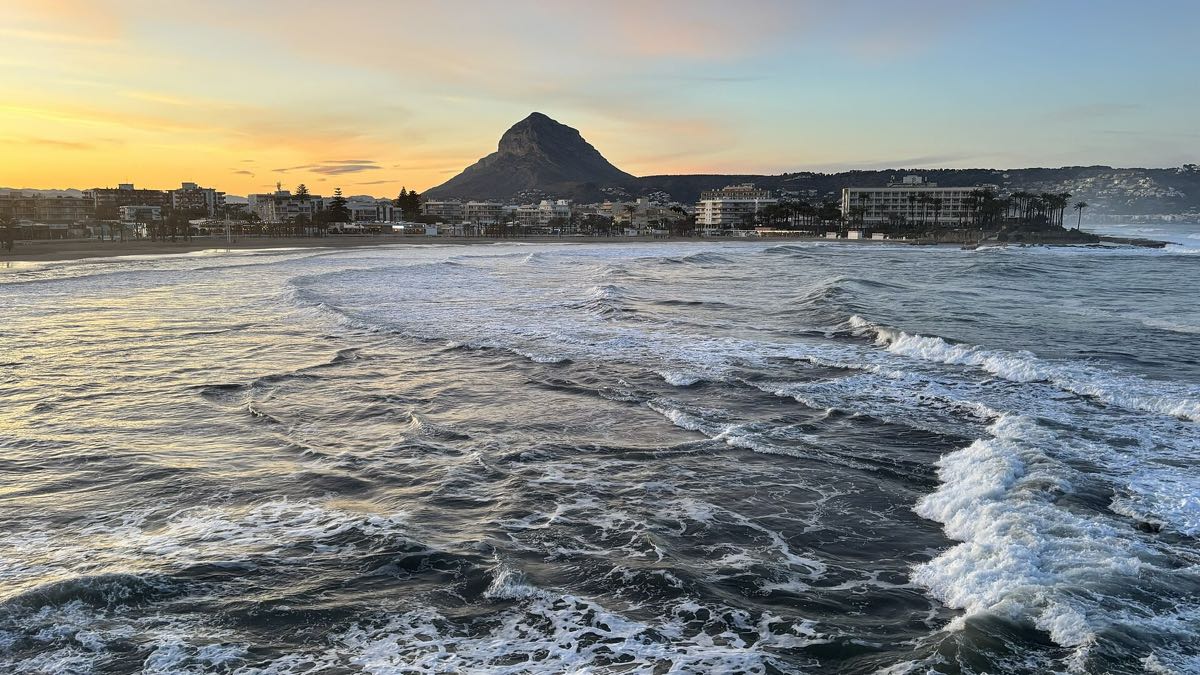
For young children, the Arenal is the beach — not by a close margin. It is Jávea's only large sandy beach, the water shelves gently rather than dropping away, lifeguards cover the main season, and food, shade and toilets are all on the promenade behind. Everything else in this guide assumes you already know that and want the detail underneath it: which parts of the Arenal work best, what to do once your children are a little older and steadier on rocks, and how to time a day so nobody melts down at 2pm.
Playa del Arenal, in detail
The blue-flag sand runs the full length of the bay, and the shallow shelf means small children can paddle a genuine distance out before the water reaches their waist — a rarity on this rocky stretch of coast. Loungers, showers and toilets sit along the promenade, and lifeguard towers are staffed through the main season; check current flag colours and hours on the day, since cover and conditions vary. The western end nearer the port tends to be slightly calmer and less crowded than the centre in peak summer, worth knowing if you're choosing where to set up for the day.
La Grava: the port-town family compromise
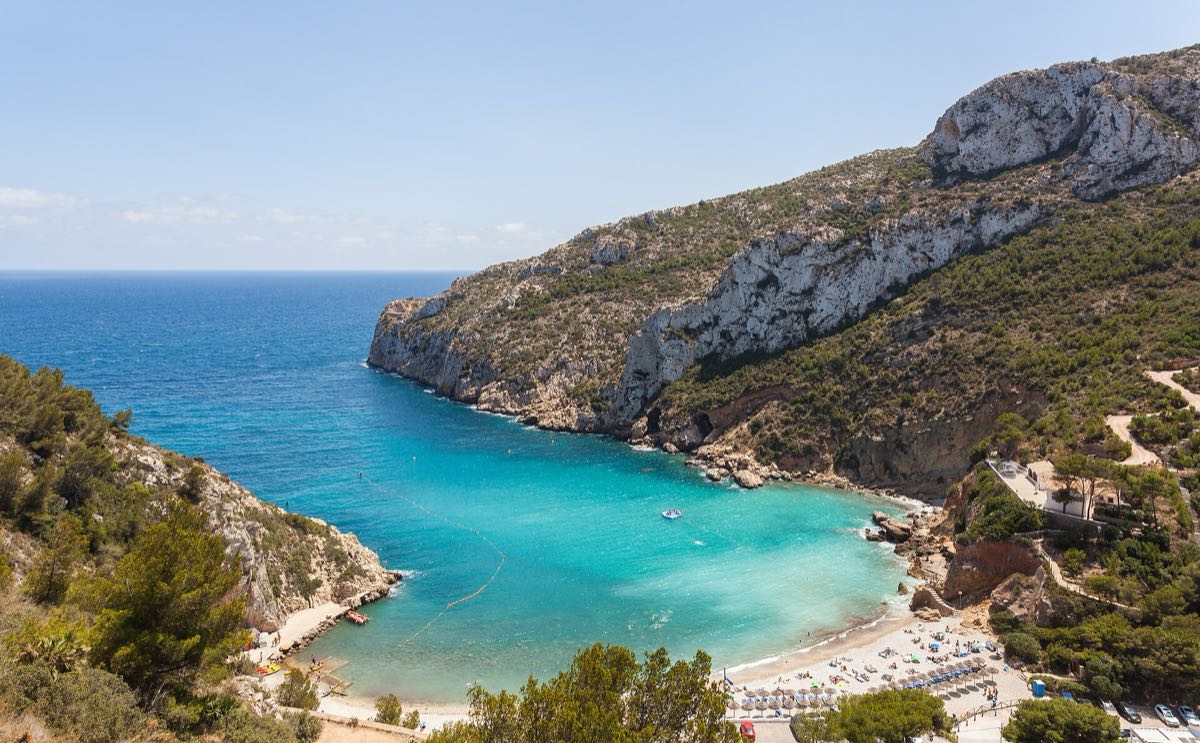
La Grava, the pebble beach at the port, suits families who want a swim without a full beach production: the water is clear, the crowds are thinner than the Arenal's even in August, and the port's restaurants sit a few steps behind the shore for an easy lunch. It asks more of small feet than sand does — water shoes help considerably — but confident toddlers and school-age children generally manage it well, and the shorter walk from car to water than some of the wilder coves makes it a practical midweek choice.
What to avoid with very small children
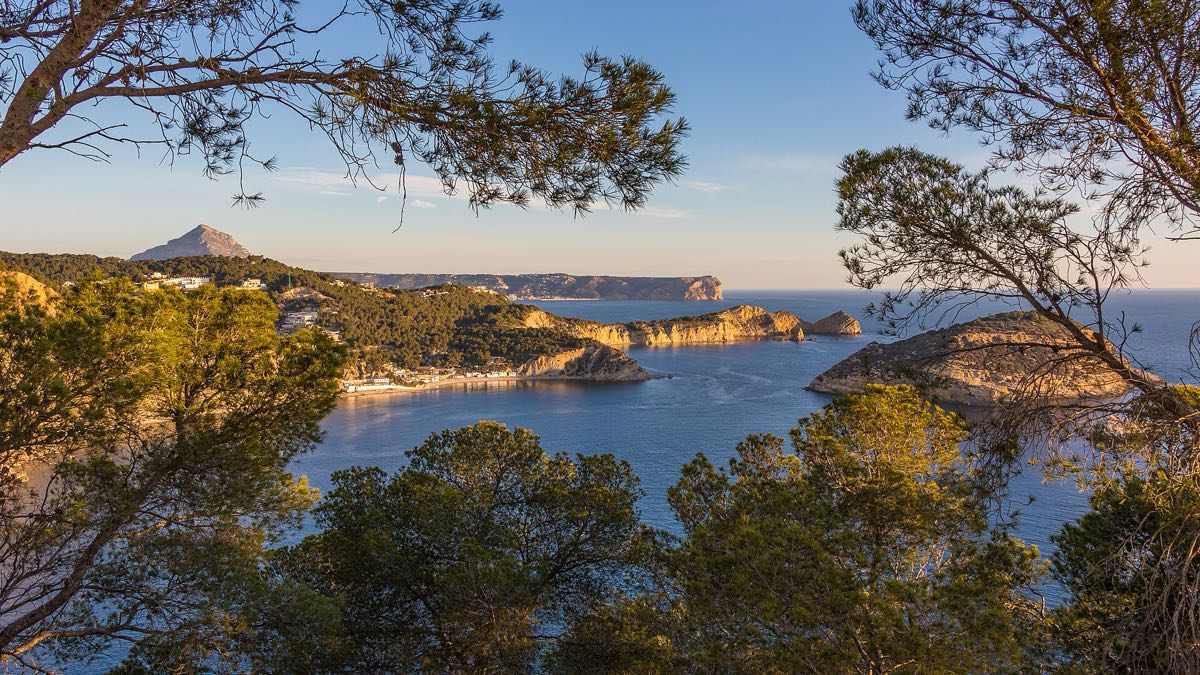
The southern coves — Granadella, Ambolo, Portitxol, Cala Blanca and La Barraca — are genuinely beautiful and genuinely unsuited to toddlers on a daily basis. Entry is over pebbles or rock rather than sand, the water can deepen quickly close to shore, and facilities are minimal to non-existent. None of this rules them out for a family with older, confident swimmers and a pair of water shoes each — it simply means they are an occasional treat rather than the default, and not the place to learn to swim.
Facilities that actually matter with kids
Parking behind the Arenal is straightforward outside peak July–August hours; arrive before mid-morning in high season or expect a longer walk from wherever you find a space. Toilets, showers and shaded promenade tables run the length of the beach, and ice cream and snack options are never more than a short walk away — genuinely useful when a meltdown is brewing and a change of scenery is the fastest fix. Shade directly on the sand is limited, so a pop-up tent or parasol is worth the extra bag if you're staying more than an hour or two.
Timing a family beach day
Spanish summer heat peaks in the early-to-mid afternoon, and small children tire of sand and sun faster than adults expect. The local rhythm — swim mid-morning, retreat for lunch and shade through the hottest hours, and return for the gentler late afternoon and golden hour — works as well for families as it does for everyone else on this coast, and avoids the worst of both the heat and the midday crowds.
Safety, honestly
Lifeguard cover on the Arenal runs through the main summer season and follows the flag system — green for safe swimming, yellow for caution, red for no bathing — worth teaching children to recognise on arrival. Sun exposure is the more constant risk: the Mediterranean sun is stronger than it feels with a sea breeze cooling the skin, so reef-safe sunscreen, hats and a genuine shade break at midday matter more than most visiting parents initially assume.
Beyond the Arenal: rockpools and snorkelling for older children
Once children are confident, steady swimmers, Jávea's rocky coves open up properly — the clear water around El Montañar, Ambolo and the Cala Blanca side rewards a cheap mask and snorkel with small fish and rock pools most children find genuinely thrilling, arguably more so than another afternoon of sandcastles. This is the natural next step once the Arenal starts to feel routine, not a replacement for it.
The rainy-day fallback
Jávea's beach-first rhythm has an honest gap on the rare wet day, and it's worth having a plan rather than discovering the gap in the moment — indoor play options, the covered Mercat, and a handful of family-friendly restaurants fill the space well. See our rainy-day guide for the full list.
Respuestas rápidas
What age is Cala Granadella suitable for? There's no strict age limit, but the pebble entry, occasional depth close to shore and lack of facilities make it better suited to confident child swimmers, roughly school age and up, wearing water shoes, rather than toddlers or non-swimmers. Families with younger children tend to save Granadella for when everyone can manage the walk down and the entry comfortably, and default to the Arenal in the meantime.
Are Jávea's beaches safe for young children? The Arenal is genuinely well suited to young children — shallow, sandy, lifeguarded in season, with facilities close at hand. The rest of the coast is rockier and asks more of a swimmer, so the honest answer is that safety depends heavily on which beach you choose: start at the Arenal, teach the flag system early, and treat the pebble coves as a later-stage outing once children are confident in the water.
Places in this guide

Siesta Advisor
★ 5 (6049 reseñas · 2026-06-07)

Kanaloa Aventura
★ 5 (317 reseñas · 2026-06-07)

TRX Live Xàbia
★ 5 (100 reseñas · 2026-06-07)
Sin web
Espacio van Eijle
★ 5 (81 reseñas · 2026-06-07)

Freediving Jávea
★ 5 (63 reseñas · 2026-06-07)

Feel Better – Your Personal Gym
★ 5 (57 reseñas · 2026-06-07)
Browse all Qué hacer in the directory →
¿Es tuyo alguno de estos negocios? Reclama tu ficha gratis →
You've just read the free guide — this pack is the working version you take with you.