Car Hire in Jávea: A Practical Visitor's Guide
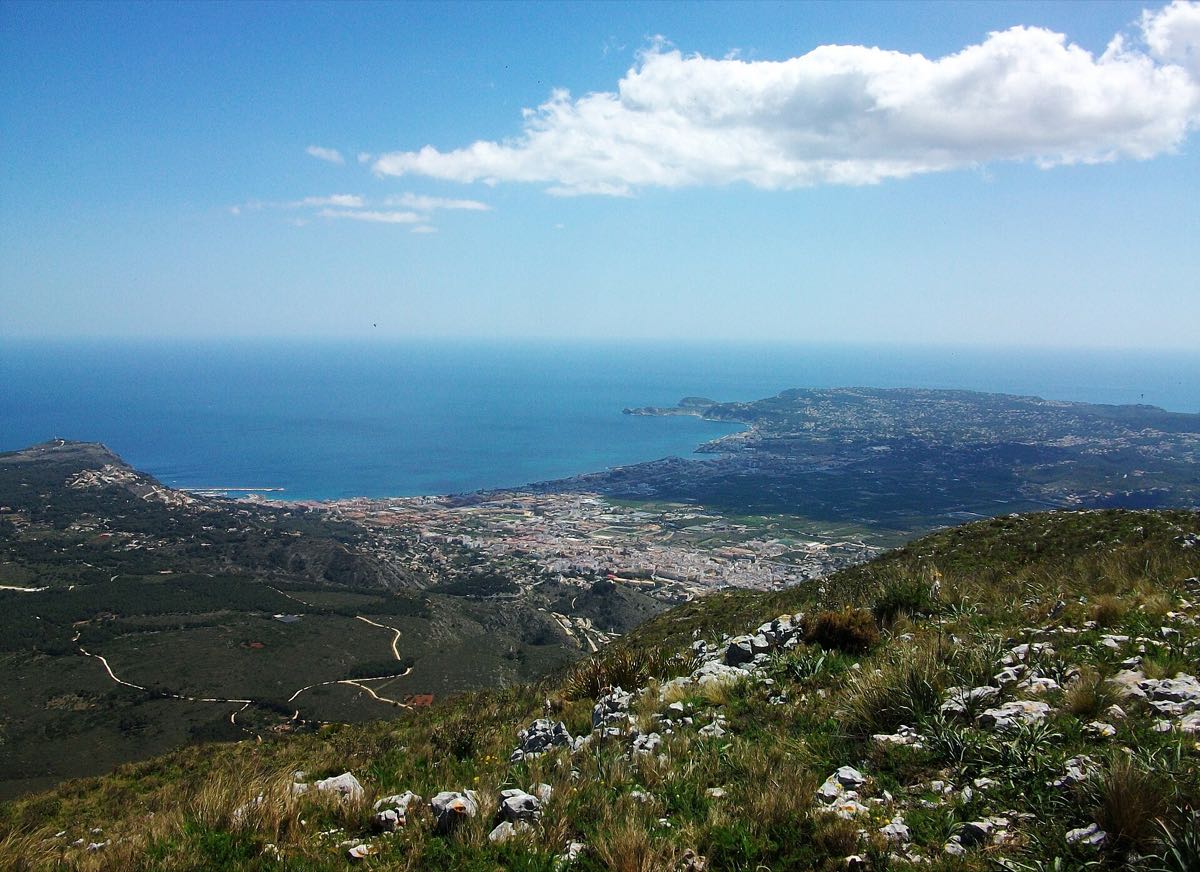
Jávea's three centres — the Old Town, the Port and the Arenal — sit a couple of kilometres apart, and the hillside urbanisations further still, so most visitors end up wanting a car within a day of arriving. Here's how car hire actually works locally: what affects the price, what the excess really means, and how to collect the keys without the desk-queue stress.
Do you actually need a hire car?
Jávea is really three towns joined by a few kilometres of road each way — the historic Old Town, the working Port, and the Arenal beach strip — with a wide scatter of villas across the hillsides beyond them. Staying centrally in the Port or Arenal for a short beach holiday, you can manage well on foot and the odd taxi. Staying on a hillside, chasing coves along the coast, or planning day trips to Valencia, Alicante or inland villages, a car stops being optional. Most visiting families conclude a few days in that a hire car simply makes the holiday easier, not just possible.
How to choose a hire car company
The headline daily rate is the least useful number on the page. What actually separates a good booking from a bad one is the excess (how much you're liable for before insurance kicks in), whether that excess can be reduced or waived, the fuel policy, and how generous the cancellation terms are if your flight changes. A short checklist keeps the comparison honest:
- Confirm the excess amount in writing, not just the headline rental price
- Check whether a security deposit is pre-authorised on your card, and how long it takes to release after return
- Read the fuel policy — full-to-full is fairest; a pre-paid full tank rarely works in your favour
- Ask what happens to your booking if your flight is delayed and you arrive after the desk's cut-off
- Check whether a second driver is included or costs extra
Pricing: how car hire actually works
The price you're quoted is rarely the price you pay at the desk. On top of the daily rate sit optional extras — additional driver, child seat, GPS, a lower excess — each priced separately, plus the deposit hold that sits on your card until the car's returned undamaged. None of this is a trick, exactly, but it rewards reading the confirmation email properly rather than just the search-results price. Spanish providers, like most of Europe, work on a full-to-full fuel basis as standard, which is the fairest model going: you collect with a full tank and return with one, and nobody's guessing at what a part-tank was worth.
The daily rate is the advert. The excess is the contract. Read the second one properly and the first one stops mattering so much.
The Coastal Record
Collecting at the airport or locally
Most visitors collect at Alicante airport, roughly an hour to ninety minutes from Jávea depending on traffic and which desk you're queuing at — airport rental desks are convenient but can mean a longer wait at busy arrival times, and airport surcharges are common industry-wide. The alternative is collecting locally, either at a depot in Jávea itself or having a car delivered to your accommodation, which suits anyone arriving by other means first (a transfer or taxi from the airport) and wanting the car only once they're settled. Local pick-up tends to be quicker at the desk simply because it isn't competing with an arrivals hall of flights landing at once.
The excess and the deposit: read this bit
The excess is the amount you're financially responsible for if the car is damaged, before the rental company's own insurance covers the rest — and it's typically held or pre-authorised against your card as a security deposit at pick-up, released (sometimes slowly) after a clean return. Many providers offer a reduced or zero-excess option for an extra daily fee, and independent excess insurance bought separately before you travel is often cheaper again. Understanding this number before you book is the single biggest factor in whether car hire feels like good value or a nasty surprise.
Comparing hire options without the legwork
Chasing quotes across half a dozen provider sites is a fair way to lose an afternoon, so where it's useful, comparison booking is available through this directory's partners — you'll see the option to compare and book directly where it's switched on for a listing, with any partner relationship clearly disclosed at the point of booking. Where that isn't available, the same comparison principles apply manually: line up excess, fuel policy and total price side by side, not just the daily rate, and you'll land on the right car for the trip rather than just the cheapest number on the page.
What to check at the pick-up desk
The desk moves fast, especially at the airport in July, but a few minutes of care here saves arguments later:
- Walk the car with staff and note every mark on the paperwork, not just verbally
- Photograph all four corners, the roof, and the fuel gauge before you drive off
- Confirm which fuel grade the car takes — diesel and petrol pumps sit side by side at Spanish stations
- Check the spare wheel or repair kit is actually present, not just listed
- Note the emergency contact number for the rental company, not just the local depot
Driving it away: roads, roundabouts and parking
Once you've got the keys, the local rules of the road are worth a minute's thought. On multi-lane roundabouts, Spanish drivers circulate in the outside lane and expect you to exit from it — cutting across from an inner lane is the classic visitor mistake. The AP-7 motorway (toll-free since 2020) is the quick route for distance; the coastal N-332 is better for hopping between neighbouring towns. Parking in the Arenal is straightforward outside high summer and a genuine scramble from mid-July through August — our driving in Spain guide covers both in more depth.

How the directory helps
Listings here are ordered by genuine relevance and local reputation, not by who pays the most — nobody buys their way to the top of the results. Where partner booking tools appear, they're a convenience layered on top, always clearly marked, never a substitute for the underlying listing being worth your time. The goal is the same one behind every guide on this site: point you toward the option that's actually right for your trip, not the one that's easiest for us to sell.
Pikavastaukset
Do I need an International Driving Permit to hire a car in Jávea? For most nationalities driving on a valid licence from home, an International Driving Permit isn't required for a short visit, though requirements vary by country of issue and do change from time to time. UK and EU licence holders typically hire on their home licence alone. If you're travelling on a licence from further afield, confirm current requirements with your rental provider or your home country's motoring authority before you fly, rather than assuming.
What's the minimum age to hire a car here? Most providers set a minimum age of 21 with at least a year's licence held, though this varies by company and car category — larger or premium vehicles sometimes carry a higher minimum of 23 or 25. Drivers under 25 frequently face a young-driver surcharge regardless of the minimum age, so it's worth checking that line item specifically if you're booking for a younger driver rather than assuming the headline price includes it.
Places in this guide
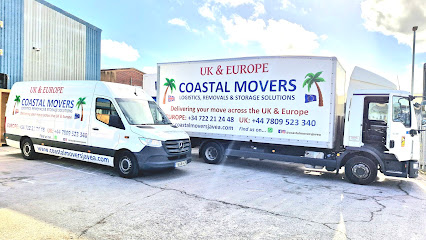
Coastal Movers
★ 5 (64 arvostelua · 2026-06-07)

Colors Automoció
★ 5 (27 arvostelua · 2026-06-07)
Ei verkkosivuaCosta Blanca Windows
★ 5 (14 arvostelua · 2026-06-07)

Mudanza Optima
★ 5 (13 arvostelua · 2026-06-07)

Medusa Transport
★ 5 (10 arvostelua · 2026-06-07)

Eugestetica
★ 5 (7 arvostelua · 2026-06-07)
Browse all Palvelut in the directory →
Run one of these businesses? Claim your listing free →