Chiringuitos & beach bars — Jávea with sand between its toes
From the Arenal promenade's all-day engine to a cold drink wedged into a pine-backed cove, Jávea's beach bars are less an amenity than a way of organising summer. Here is the canon, the season, the unwritten rules and exactly what to order when your feet are still wet.
A serious institution, casually dressed
The chiringuito looks like an afterthought — a bar that wandered onto a beach and stayed — and is in fact one of the Mediterranean's most refined institutions. Its purpose is precise: to hold you at the exact temperature between swim and society, fed and watered, for as many hours as you are willing to surrender. Jávea does the form unusually well because its coastline offers three distinct habitats — a long sandy promenade, a string of dramatic coves, and miles of flat rocky shore facing the evening sun — and each has evolved its own species of beach bar. Understanding the three is the difference between having a drink near the sea and having a summer. The form itself is ancient and pan-Mediterranean, but every coast tunes it differently, and Jávea's tuning — part Valencian beach town, part international summer colony — gives its beach bars a range that few resorts of its size can match.
The Arenal — the promenade engine
The Arenal is the extrovert of the family: a curved sandy bay backed by a promenade of bars and restaurants that runs from breakfast to well past midnight without visible fatigue. This is beach-bar culture at full orchestration — cocktails, long lunches, DJs in high summer, children weaving between tables, four languages per terrace. It is not where you go for solitude; it is where you go to feel the season working at capacity. The move is to pick your slot deliberately: morning coffee while the bay is still glassy, a late lunch in the shade, or the evening shift when the promenade lights come on and the whole bay starts to glitter. Families get the easiest logistics on the coast here — sand, showers, ice cream and shade in one continuous system, with the bars acting as base camps between swims.
The coves — chiringuito as pilgrimage
South of the headlands the coast breaks into coves — Granadella and Barraca (Portitxol) being the styles to know — where the beach bar becomes something closer to a reward. These are pebble-and-turquoise amphitheatres backed by pine, reached by winding lanes, and their bars operate on cove logic: small, seasonal, unhurried, serving cold drinks and simple grilled things to people whose hair is still dripping. The pleasure is contextual — the same beer costs the same everywhere, but here it arrives after a swim in some of the clearest water on the Spanish Mediterranean, which is a form of seasoning no kitchen can buy. Go early in high summer — the coves' small car parks fill by mid-morning — or go late, when the day-trippers ebb and the water turns to glass for the evening swim.
A cove beer isn't better beer. It's the same beer in a better universe.
chiringuito physics, first law
The Montañar — sunset's home ground
The third habitat is the sleeper: the Montañar, the long, flat, rocky stretch running between the port and the Arenal and onward south. No sand, no crowds of the packed-beach kind — instead, level rock shelves, ladders into deep clear water, and a shoreline that faces the evening light beautifully. Its bars and terraces have become Jávea's sunset quarter: the place for the seven o'clock swim followed by the eight o'clock drink, feet drying on warm stone. Locals have always known this; visitors tend to find it in their second week and spend the first quietly regretting the delay. Bring reef shoes for dignity on the rocks, and claim your patch of stone with a towel the way the regulars do — furniture is scarce, which is precisely why the crowd stays civilised.
The season — an Easter-to-October heartbeat
Beach-bar Jávea is seasonal in the proper agricultural sense. The awnings and licences stir around Easter, the machine reaches full output through July and August, and things wind down gently through October as the sea keeps its warmth and the crowds surrender theirs. The shoulder months are the connoisseur's pick — warm water, free tables, unhurried staff — while deep winter returns the coves to the gulls and a few hardy swimmers. A handful of promenade addresses trade year-round, but the true chiringuito hibernates, which is part of its charm: scarcity is the ingredient no one lists.
The unwritten rules
Every institution has a constitution, and the chiringuito's is unwritten but firmly enforced by custom. The essentials:
- Sandy feet and salt-wet hair are formal dress — no one has ever been turned away for swimwear at a true chiringuito
- A cover-up appears when food does; the line between bar and restaurant is a T-shirt
- Sunset tables in summer are booked or claimed early — five minutes past golden hour is too late
- The table is yours for as long as you like, but order something occasionally; rent is paid in rounds
- Cash still talks at the smallest cove operations
- The waiter's pace is the correct pace — this is a feature you have paid for
What to order — the liquid canon
The house drink of the Spanish beach is tinto de verano — red wine lengthened with lemon soda over ice — cheaper, lighter and frankly more sensible than sangría, which locals regard as a drink for other people. The caña (small, ruthlessly cold beer) is the unit of currency; the clara (beer with lemon) its summer variant. Beyond that: cold dry moscatel if the list is local, horchata for the drivers, and gin-tonics as the evening's gear change. Order in rounds, keep everything small so it stays cold, and accept that the second tinto de verano always tastes better than the first. Science has no explanation.
What to order — the plate
Chiringuito food is best when it respects the setting: simple, salty, made for sharing and for eating with one eye on the water. Sardinas a la brasa — grilled sardines — are the canonical beach lunch of the Spanish coast. Clóchinas, the small intense Valencian mussels, are the early-summer treat when in season, steamed and demolished by the kilo. Around them orbit the reliable satellites: ensaladilla, calamares, boquerones, pan con allioli, a tomato salad that outranks its ingredients. Some cove and promenade kitchens do full rices at lunch — a serious commitment, best booked — but the true chiringuito meal is a table of small plates that nobody remembers ordering.
Reading the room — matching bar to moment
The skill that turns a visitor into a regular is matching the habitat to the hour. Big family lunch with sun-loungers and ice-cream logistics: the Arenal, no contest. A swim-first day where lunch is an accessory to the sea: drive the lanes to a cove and accept the parking as an entry fee. The end-of-day drink that becomes dinner: the Montañar's rocks as the light goes gold. Morning-after coffee with your feet in view of the water: promenade again. None of these are secrets; the trick is simply refusing to use one bar for all four jobs. Get it right and the coast feels engineered around your day; get it wrong and you will merely have had a very pleasant drink in the wrong place, which as failures go is eminently survivable.
The arithmetic of a perfect beach day
Assembled, the formula is almost embarrassingly simple, which may be why it works. Arrive at the water before the heat commits; swim; establish a base within staggering distance of shade and a fridge; eat lightly but repeatedly; swim again to earn the evening; and be holding a cold drink, facing west, when the sun starts its descent. The chiringuito exists to hold this entire structure together with nothing more than ice, a grill and tolerance for sandy floors. Jávea's contribution is the setting — and the setting, on the right evening, does most of the talking.
Pikavastaukset
When are Jávea's beach bars open? The season runs loosely from Easter to October: cove chiringuitos and most beach kitchens open around Easter, run at full capacity through July and August, and wind down as autumn arrives. A core of Arenal promenade bars and Montañar terraces trades year-round, so a winter seafront drink is never in doubt — but the barefoot cove experience is strictly a warm-season pleasure.
Do I need to book a beach bar? For a daytime drink, never — turnover is constant and standing at the bar is half the culture. For lunch at popular cove and promenade kitchens in July and August, booking is wise, and for a front-row sunset table in high summer it is close to essential; the golden-hour seats are claimed with intent. Shoulder season restores walk-in freedom almost everywhere.
Can I turn up in swimwear? At the bar of a true chiringuito, yes — sandy feet and dripping swimwear are the native costume, and nobody blinks. Convention adds a T-shirt or cover-up when you sit down to eat, and the smarter promenade restaurants expect dry clothes at dinner. The reliable rule: the closer your table is to the sand, the less anyone cares what you are wearing.
Places in this guide

Tescafes
★ 5 (140 arvostelua · 2026-06-07)
Ei verkkosivua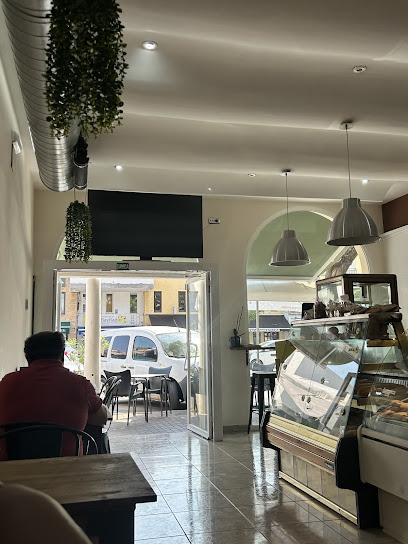
Karolida
★ 5 (80 arvostelua · 2026-06-07)

Carú ArroceríaCarú Arrocería | Arroces y Paellas en el Puerto de Jávea
★ 5 (47 arvostelua · 2026-06-07)
Ei verkkosivuaCatering4u
★ 5 (27 arvostelua · 2026-06-07)
SAÓ Mediterráneo
★ 5 (26 arvostelua · 2026-06-07)
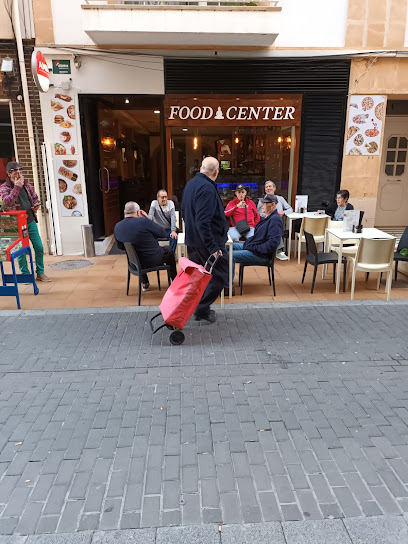
Restaurante Food Center
★ 5 (22 arvostelua · 2026-06-07)
Ei verkkosivua