Rock climbing near Jávea
Jávea's own capes are dramatic cliffs, not climbing crags — much of that coastline sits inside a protected marine reserve. For the real thing, the wider Costa Blanca, headlined by the Penyal d'Ifac at Calpe, is one of Europe's genuine rock-climbing destinations, and it's a short drive away.
Cliffs everywhere, crags somewhere else
Jávea's own capes — Cap de Sant Antoni, Cap Prim, Cabo la Nao — are as dramatic as coastal cliffs get, but they're not where you climb. Much of that coastline sits inside a protected marine reserve, and the cliffs themselves are largely inaccessible from below in any case. Admire them from a boat, a kayak or the coastal footpaths; for the rope and harness, look inland.
The Penyal d'Ifac and the wider region
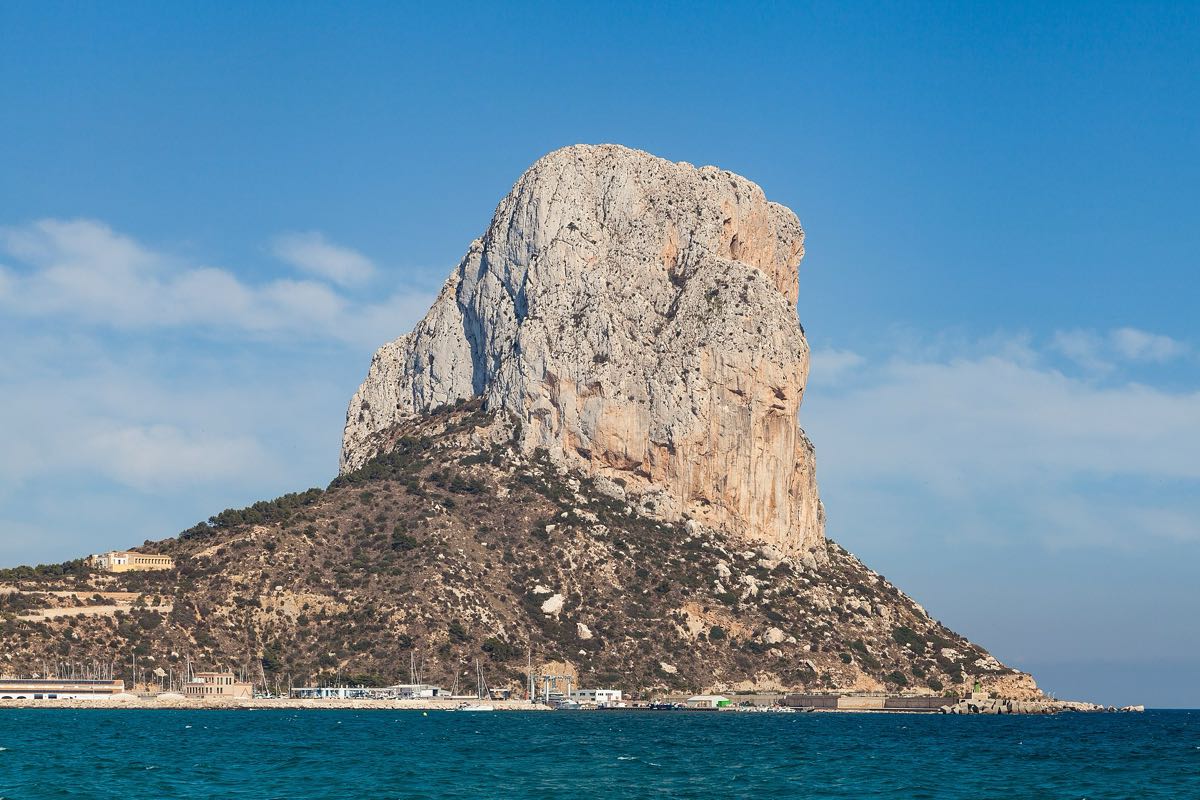
The Penyal d'Ifac at Calpe — the great limestone rock that closes the view south from Jávea on a clear day — is the region's defining landmark and a short drive away. The limestone that shapes this whole stretch of coast continues well inland, and the wider Costa Blanca is genuinely recognised as one of Europe's classic rock-climbing regions, drawing climbers from across the continent through the cooler months.
What kind of climbing
This part of Spain is limestone sport-climbing country in the main — bolted routes rather than remote mountaineering — with a range that runs from easy, forgiving routes to serious, sustained ones. The exact crags, grades and current conditions are the kind of detail a local guide or climbing school will give you far more reliably than any general write-up.
Getting there from Jávea
Most of what this region offers sits within an easy day trip of Jávea — the same geography that makes Calpe, Dénia and the inland Marina Alta such straightforward day-trip territory generally. Expect a short drive rather than an expedition.
Guided vs self-guided
For anyone without their own rack, ropes and a climbing partner who knows the local ethics, going out with a local guide or climbing school is the sensible route — it handles gear, access and route choice in one go. The directory's things-to-do listings are the place to start looking. Experienced climbers with their own kit will find plenty to do independently, provided the season and access rules are checked first.
Beginner vs experienced
Complete beginners are far better served by a guided taster session than a first attempt alone — harnesses, ropework and belaying are all things worth learning properly rather than picking up on the fly. Experienced climbers bring their own gear, their own partner, and their own judgement on conditions.
Best time of year
Limestone in direct Mediterranean sun gets brutally hot to the touch by midday for much of the year, so the same rule that governs the Montgó summit trail applies here: climb early, avoid the exposed hours, and treat autumn to spring as the genuinely comfortable season.
What to bring
Proper shoes for the approach walk, sun protection, more water than feels necessary, and — if going self-guided — your own climbing gear plus current local knowledge of access and conditions. Guided sessions typically supply the technical kit.
A first outing, step by step
For anyone new to the sport in this region:
- Book a guided taster session rather than going in cold
- Check the day's forecast and heat before committing to a route
- Start with an easy-graded route regardless of fitness elsewhere
- Always climb with a partner — never solo on unfamiliar rock
- Know your descent before you start climbing, not after
Pairing a climbing day with the rest of your trip
A day inland climbing pairs naturally with the wider day-trip territory around Jávea — Calpe itself, or the viewpoint walks closer to home for anyone who'd rather admire limestone than hang off it.
Pikavastaukset
Can you rock climb on Jávea's own coastline? Not in any developed, public sense. The capes are spectacular but largely protected and inaccessible from below — for real climbing, the wider Costa Blanca inland and around Calpe is the destination, and it's close.
Do I need experience to try climbing near Jávea? No — guided taster sessions exist for complete beginners and handle gear and safety from the start. If you're already a climber, bring your own kit, confirm current access and season advice locally, and always climb with a partner.
Places in this guide

Kanaloa Aventura
★ 5 (317 arvostelua · 2026-06-07)

Freediving Jávea
★ 5 (63 arvostelua · 2026-06-07)
Scuba Diver Javea
★ 5 (30 arvostelua · 2026-06-07)

DIVING PORT JAVEA
★ 4.9 (381 arvostelua · 2026-06-07)
Alicante Aventura
★ 4.9 (263 arvostelua · 2026-06-07)

La Rana - Rutas guiadas en Kayak Javea
★ 4.8 (226 arvostelua · 2026-06-07)
Browse all Tekemistä in the directory →
Run one of these businesses? Claim your listing free →
You've just read the free guide — this pack is the working version you take with you.