Food shopping in Jávea — where locals actually fill the basket
Between the Mercat Municipal's stalls, the Thursday market's produce rows, international delis and a surprisingly cosmopolitan supermarket landscape, Jávea is a town where shopping for dinner is a pleasure rather than a chore. Here is how the locals do it — and how to buy jamón, cheese and olive oil like you mean it.
Shopping as a daily art form
Jávea still shops the old way, underneath the new way. Yes, there are supermarkets with car parks and loyalty cards; but the town's food culture runs on a rhythm of morning markets, counter conversations and buying what looks best today rather than what the meal plan dictated on Sunday. For visitors in self-catering villas and new residents alike, learning this rhythm is one of the fastest routes into local life — and one of the most delicious. The infrastructure is compact: one covered market, one weekly street market, a constellation of delis and butchers, and supermarkets that quietly cater to half of northern Europe. A week is enough to learn the circuit; a lifetime is not enough to exhaust it. There is also a practical payoff beyond the romance: shopping this way is cheaper, fresher and faster than it looks, once the geography clicks and the counters know your face.
The Mercat Municipal — the anchor
The Mercat Municipal in the old town is the system's heart: a working covered market where stalls sell fish from the port's lonja, meat and embutidos, fruit and vegetables from the comarca, olives scooped from barrels, nuts, salazones and bread. It trades in the mornings, and morning is when it should be experienced — mid-morning at full conversation, when the fishmongers are in form and the queue itself is a source of recipes. Prices are honest, quality is self-evident, and the counter staff will happily tell you how to cook whatever they have just sold you. Treat it as a food hall with better credentials. Regulars build relationships with particular stalls over years; visitors can fake it convincingly within a week by simply returning, smiling, and asking what to do with whatever looks best today.
Thursday — the market event
Once a week the shopping calendar acquires a fiesta. The Thursday street market spreads through the old town's market quarter with long rows of produce sellers — tomatoes in six shapes, stone fruit in season, herbs by the bunch, olives and dried goods — alongside the clothing, basketware and household stalls that make Spanish street markets a general theatre of commerce. Locals come with trolleys and a plan; visitors should come with a bag and none. The produce rows are the point: this is where the week's fruit and vegetables are bought in quantity, at prices that make supermarket displays look faintly embarrassed. Arrive before eleven for the full display and easier parking; by one o'clock the sellers are packing up and the last-hour bargains reflect it.
You don't write the shopping list before the market. The market writes the list.
trolley-owning wisdom, old town
The morning economy — how the week works
Market Jávea is strictly a morning economy, and its weekly shape is worth internalising. Weekday mornings belong to the Mercat; Thursday adds the street market and doubles the crowd; Saturday morning is the busy family shop before the town narrows its focus to lunch. Afternoons, the counters rest — turn up at five expecting fish and you will find shutters and pigeon patrol. Build the shop into the front half of the day, follow it with an almuerzo or a vermut, and the errand quietly becomes the outing.
The international delis — the expat lifeline
A town where dozens of nationalities have settled develops the shops to feed their homesickness, and Jávea's international delis, butchers and speciality grocers are quietly excellent. British bacon and proper sausages, Dutch cheeses, German breads and cold cuts, Scandinavian staples — the coverage tracks the resident population, and the best of these shops long ago stopped being mere nostalgia counters and became good food shops in their own right, cutting meat to northern European specifications and stocking the sauces, teas and baking ingredients that Spanish supermarkets consider exotic. For the region's mixed households they are not a luxury; they are how Sunday roasts survive emigration. They are also, usefully, translation layers: staff who can explain Spanish cuts to a British cook and British cravings to a Spanish supplier have quietly done more for integration than most official programmes.
The supermarket landscape
Everyday backbone shopping belongs to the supermarkets, and the landscape has two registers. The Spanish chains do what Spanish chains do superbly: serious fresh counters — fish, meat, bakery — good produce, an olive oil aisle of intimidating depth and honest prices. Around them, the international-facing supermarkets and larger stores run whole aisles of British, Dutch, German and Nordic products, so no one's pantry need ever fully emigrate. The local tactic is to hybridise without embarrassment: fresh food from the market and the Spanish counters, store-cupboard loyalty wherever it happens to lie. Nobody polices your trolley here, which may be the truest form of integration on offer. Opening hours run long by northern standards, though Sunday remains noticeably quieter — plan the week's big shop accordingly.
The seasonal produce calendar
Shopping well here means shopping with the calendar, because the comarca's produce arrives in waves and is dramatically best mid-wave. The highlights worth planning around:
- Winter — citrus season: oranges and mandarins at their sweet, absurd peak
- Spring — artichokes, broad beans, loquats (nísperos) and the first cherries from the valleys
- Early summer — stone fruit, melons and the arrival of proper tomato season
- High summer — tomatoes, peppers, aubergines and figs in full flood
- Autumn — moscatel grapes, pomegranates, persimmons and the new almonds
- Late autumn — the olive harvest and the year's fresh oil
Buying jamón without fear
The jamón counter rewards a little literacy. The headline distinction is serrano (white pig, excellent everyday ham) versus ibérico (the dark-hoofed breed, richer and pricier), with ibérico's grades rising to the acorn-fed bellota at the top. Buy it freshly sliced, machine-cut for economy or knife-cut for ceremony, in amounts you will eat within a day or two — a hundred grams of the good stuff beats half a kilo of regret. Any counter will offer a taste before you commit; accepting is not cheeky, it is the system working as designed. Vacuum-packed sliced jamón travels well, making it the classic edible souvenir.
Cheese, olive oil and the pantry upgrades
Two more counters deserve pilgrimage status. Spanish cheese goes far beyond the manchego wedge of the airport shop: look for aged sheep's cheeses, creamy tortas, northern blues and the local goat's cheeses that pair perfectly with moscatel raisins. Olive oil is the great value play — Spain makes more of it than anyone on earth, and the supermarkets' virgen extra shelves and the delis' small-producer bottles both repay trading up from whatever you buy at home. Round out the pantry with salted almonds, honey from the hinterland, saffron and smoked pimentón, and rice sold by variety rather than apology — bomba for paella, and now you know why. Every one of these keeps for months, costs less than at home, and upgrades daily cooking out of all proportion to the outlay.
Souvenirs that get eaten
The best souvenirs from a food town are edible, and Jávea packs well. A litre of good olive oil; a bottle of mistela or dry moscatel; vacuum-packed jamón; a wedge of aged sheep's cheese; turrón and almond sweets; moscatel raisins; smoked pimentón and saffron; a paella pan if the suitcase forgives you. All of it is available across the Mercat, the delis and the better supermarket aisles, and none of it requires a specialist shop, only a morning's unhurried acquisitiveness. The rule of thumb: if it made your holiday taste of somewhere, it will do the same to a Tuesday back home — which is the entire point of luggage.
Pikavastaukset
When is Jávea's market day? The main weekly street market is on Thursday mornings in the old town, with long produce rows alongside clothing and household stalls. The covered Mercat Municipal trades every weekday and Saturday morning, so fresh fish, meat and produce are available six days a week. In both cases, morning is the operative word — by mid-afternoon the food shopping day is emphatically over.
Can I find British and international foods in Jávea? Easily — this is one of the most internationally stocked corners of Spain. Dedicated international delis and butchers cover British, Dutch, German and Scandinavian staples, and several supermarkets run substantial international aisles alongside their Spanish ranges. Most residents shop both worlds without ceremony: Spanish fresh counters and markets for the daily table, the international shelves for the tastes of home.
What food is worth bringing home from Jávea? The reliable winners: extra virgin olive oil, a bottle of mistela or dry moscatel, vacuum-packed jamón, aged Spanish cheese, turrón and almond sweets, moscatel raisins, smoked pimentón and saffron. All pack well, all are found at the Mercat, the delis or good supermarkets, and all pass the only test that matters — they make an ordinary meal at home taste briefly of the Costa Blanca.
Places in this guide

Tescafes
★ 5 (140 arvostelua · 2026-06-07)
Ei verkkosivua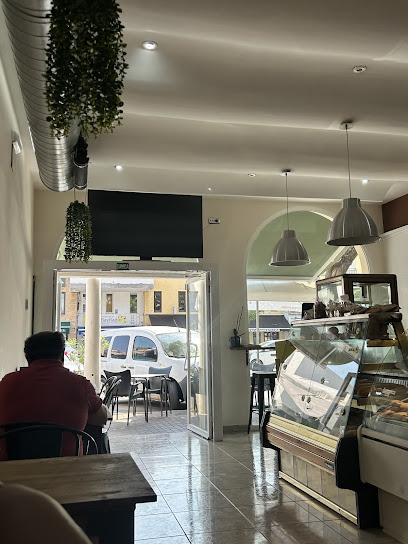
Karolida
★ 5 (80 arvostelua · 2026-06-07)

Carú ArroceríaCarú Arrocería | Arroces y Paellas en el Puerto de Jávea
★ 5 (47 arvostelua · 2026-06-07)
Ei verkkosivuaCatering4u
★ 5 (27 arvostelua · 2026-06-07)
SAÓ Mediterráneo
★ 5 (26 arvostelua · 2026-06-07)
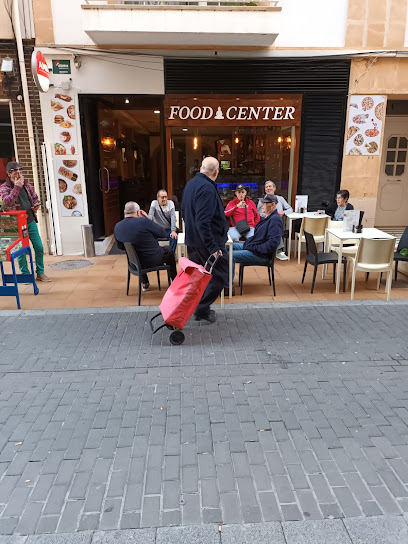
Restaurante Food Center
★ 5 (22 arvostelua · 2026-06-07)
Ei verkkosivua