Xàbia or Jávea? The town's two names, explained
Xàbia in Valencian, Jávea in Castilian — both official, both correct, and both worth knowing how to say. The two names are the fastest way into understanding the town's bilingual identity.
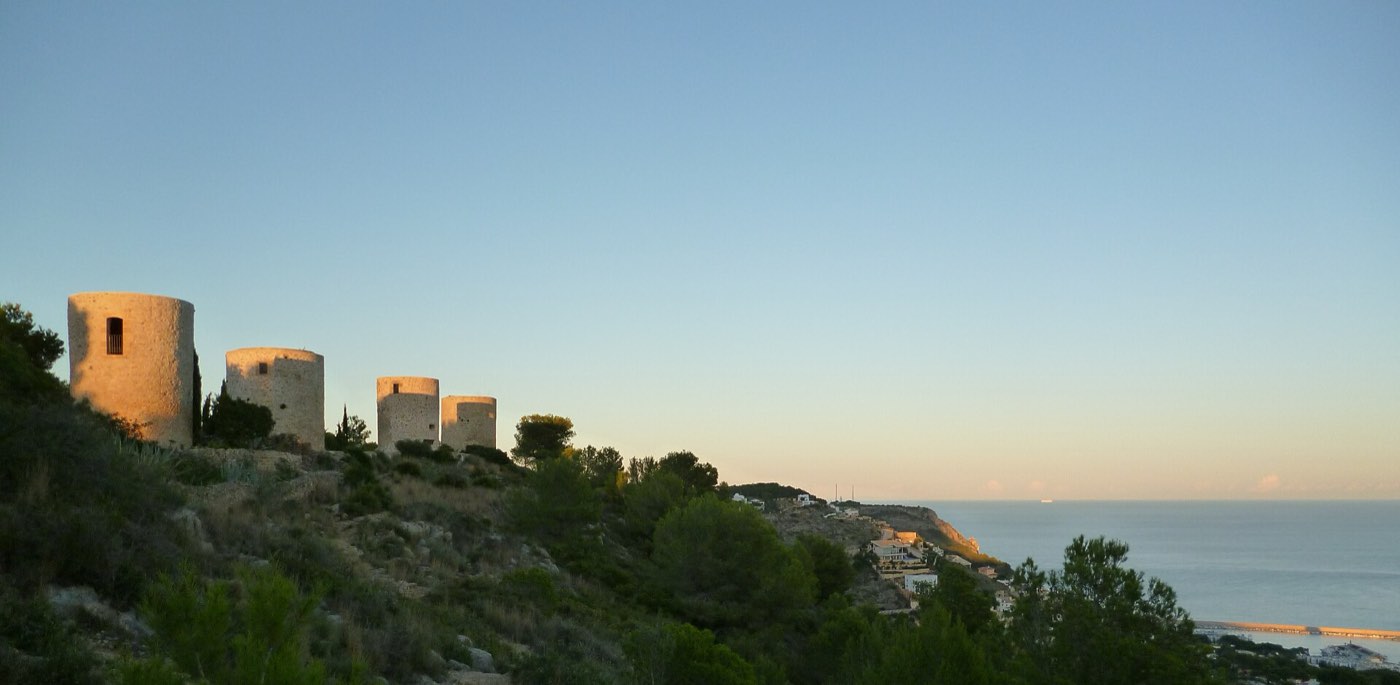
Two names, one town
New arrivals often assume Xàbia and Jávea must be neighbouring towns, or that one is a typo of the other. Neither is true: they're the same town, under its two official names — Xàbia in Valencian, Jávea in Castilian — and both are entirely correct. Working out which to use, and when, is one of the more genuinely useful pieces of cultural knowledge a newcomer or visitor can pick up.
Where each name comes from
Xàbia is the town's name in Valencian — the local variety of the Catalan language family, and the historic tongue of the Marina Alta long before Castilian Spanish arrived as the region's dominant national language. Jávea is the Castilian form, the version most commonly used internationally, on English-language maps, and in most property listings and guidebooks written outside the region. Both are the same word, filtered through two different language traditions, and Spain's co-official language system means both carry full legal standing.
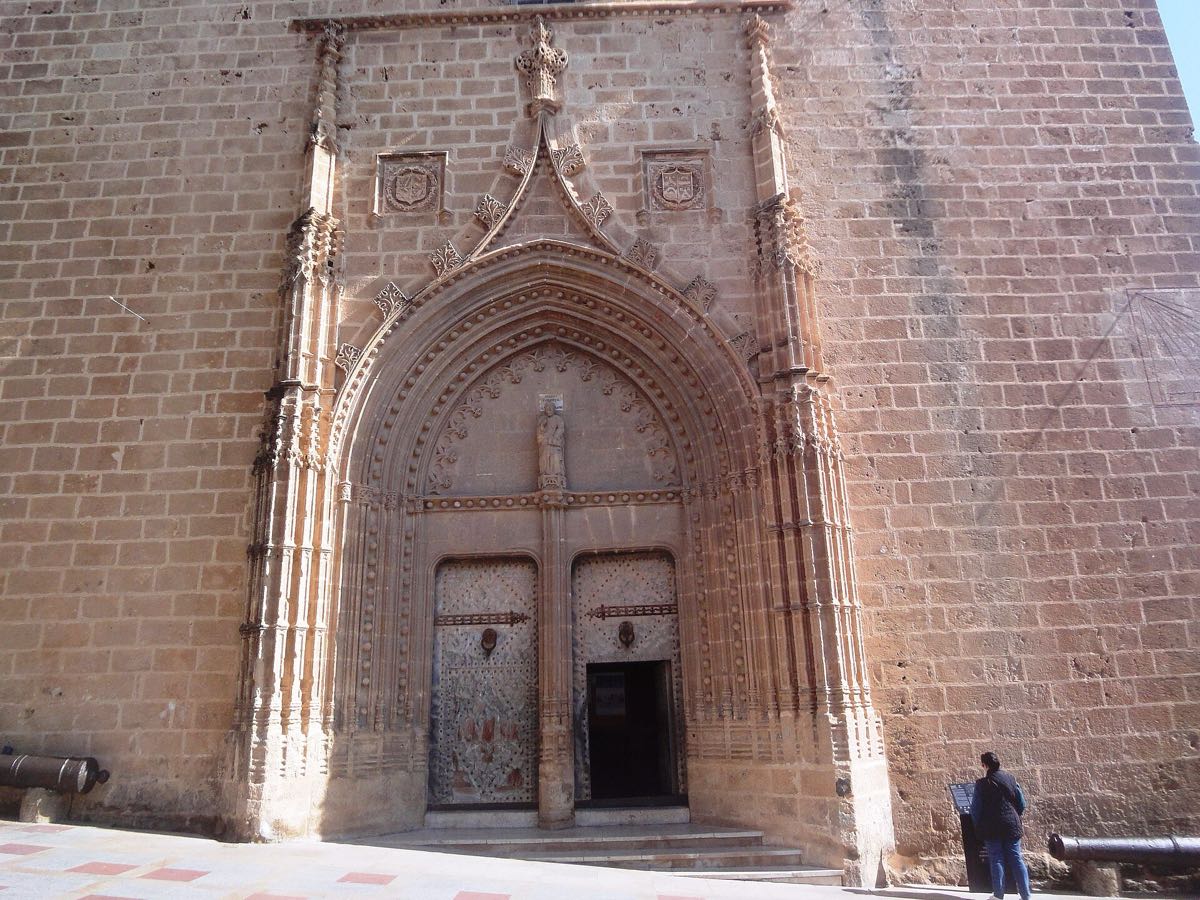
Which name to use, and when
In practice, you can't really get this wrong. Locals move between both names depending on context — Valencian speakers, official Ajuntament de Xàbia documents and street signage lean toward Xàbia; English-language material, this guide included in places, and most international property and tourism content defaults to Jávea. Using either name marks you as someone who's paying attention rather than someone who's got it wrong; using both, interchangeably, is exactly how residents actually talk.
How to pronounce Xàbia
Approximately: SHAH-bee-a, with the stress on the first syllable and the 'x' sound closer to the English 'sh' than any letter in the Castilian alphabet. It's a Valencian sound that doesn't map cleanly onto English spelling, so treat any written guide — this one included — as a rough approximation rather than a phonetic guarantee, and don't be shy about just asking a local to say it once for you.
Valencian as a living local language
Valencian is co-official alongside Castilian across the Valencian Community, taught in local schools, spoken at home by many old-town and Marina Alta families, and printed on official signage throughout Jávea. It belongs to the Catalan language family — close enough to Catalan that speakers of one broadly understand the other — and its survival as an everyday spoken language, rather than a purely ceremonial one, is one of the region's more distinctive cultural facts.
You don't need it, but it's noticed
Nobody expects a newcomer or visitor to learn Valencian, and getting by in Castilian Spanish — or, in plenty of old-town shops and bars, English — is entirely realistic day to day. But a handful of Valencian phrases, a simple bon dia rather than buenos días, genuinely register with locals as a small, appreciated effort, in a way that costs almost nothing to learn.
A short handy glossary
Enough to be noticed, not enough to be tested on:
- Bon dia — good morning
- Bona tarda — good afternoon
- Bona nit — good night
- Gràcies — thank you
- Xàbia — the town's Valencian name, pronounced roughly 'SHAH-bee-a'
How the two names show up around town
Look closely and both names are everywhere: the Ajuntament de Xàbia's own branding favours the Valencian form, many businesses and street signs use it too, while tourism material, international property listings and this guide's own domain lean toward Jávea for the audience they're written for. Neither choice is a political statement in everyday use — it's simply which language tradition a given sign, business or document happens to be written in.
The name and the fiesta calendar
The town's bilingual identity shows up throughout its culture, not just its name — Valencian names for its fiestas (Fogueres de Sant Joan, Moros i Cristians) sit alongside Castilian ones in everyday conversation, and the fiesta calendar itself is one of the clearest expressions of the Valencian identity underneath the internationally-known name Jávea. Understanding the two-name situation is a genuinely useful key to understanding the culture more broadly.
Xàbia or Jávea at a glance
The essentials:
Pikavastaukset
Which name is more correct — Xàbia or Jávea? Neither — both are official, legally equal names for the same town, one Valencian and one Castilian. Which you encounter more often depends entirely on context: Valencian-language material and much local signage favours Xàbia; English-language, international and tourism content — this site included, in places — more often defaults to Jávea. Use whichever you're comfortable with; nobody will correct you.
How do you actually pronounce Xàbia? Roughly 'SHAH-bee-a', with the stress on the first syllable and a soft 'sh' sound for the initial 'x' — a Valencian sound with no clean English equivalent, so treat this as an approximate guide rather than a precise phonetic one. If you'd rather stick with the Castilian form, Jávea is pronounced closer to 'HAH-veh-a'.
Places in this guide

Siesta Advisor
★ 5 (6049 arvostelua · 2026-06-07)

Kanaloa Aventura
★ 5 (317 arvostelua · 2026-06-07)

TRX Live Xàbia
★ 5 (100 arvostelua · 2026-06-07)
Ei verkkosivua
Espacio van Eijle
★ 5 (81 arvostelua · 2026-06-07)

Freediving Jávea
★ 5 (63 arvostelua · 2026-06-07)
Feel Better – Your Personal Gym
★ 5 (57 arvostelua · 2026-06-07)
Browse all Tekemistä in the directory →
Run one of these businesses? Claim your listing free →