The two breakfasts of Jávea — tostadas, almuerzo & the brunch wave
Jávea runs two entirely separate morning economies: the Spanish one of tostada con tomate, machine-gun coffee orders and the mighty mid-morning almuerzo, and the international brunch wave that has colonised the Arenal. Learn both and your mornings here double in value.
A town with two mornings
Jávea wakes up twice. The first morning is Spanish: quick, standing or perched, a tostada con tomate and a small strong coffee taken in a bar where the machine never stops hissing. The second morning is imported: sourdough, smashed avocado, flat whites and a queue of tanned northern Europeans along the Arenal. Neither is a corruption of the other — they simply run in parallel, often a few streets apart, serving different clocks and different appetites. The visitor's advantage is that you are entitled to both, sometimes in the same week, occasionally — during ambitious holidays — in the same morning. This guide is a field manual for each. It also explains an occasional comic mismatch: the visitor who wanders into a workers' bar at nine expecting eggs benedict, and the local who eyes a brunch menu wondering why breakfast suddenly requires a concept. Both parties are right, in their own time zones.
The Spanish first breakfast — small, fast, perfect
The native breakfast is a masterpiece of restraint: toasted bread rubbed or spread with crushed tomato, olive oil and salt — tostada con tomate — perhaps upgraded with jamón, and a coffee. That is it, and it needs nothing more, because it is not designed to carry you to lunch; it is designed to carry you to almuerzo. Bars serve it from early until mid-morning to builders, office workers and retirees in identical proportion, and the whole transaction — order, eat, gossip, pay — takes fifteen unhurried minutes. Alternatives exist: croissants a la plancha pressed with butter, magdalenas, or churros where you find them. But the tostada is the true north. Prices remain among the kindest in western Europe's café culture, which is why the Spanish treat the bar as an extension of the kitchen rather than an occasion — the same faces, the same orders, the same three minutes of news traded across the counter every single morning.
Coffee orders, decoded
Spanish coffee is excellent, cheap and ordered with a precision that rewards learning the vocabulary. Say the words confidently and the bar is yours; hesitate and you will be handed a café con leche by default, which is no tragedy either.
- Café solo — a short, strong espresso; the baseline
- Cortado — a solo 'cut' with a splash of hot milk
- Café con leche — half coffee, half milk; the breakfast standard
- Manchado — mostly milk 'stained' with a little coffee
- Café del tiempo — coffee served with ice and a slice of lemon, for summer
- Descafeinado de máquina — proper decaf from the machine, not the sachet
Almuerzo — the institution
At around half past ten, the Valencian world stops for almuerzo — in valenciano, esmorzaret — the mid-morning second breakfast that is neither snack nor lunch but a meal with its own liturgy. The centrepiece is the entrepà: a length of crusty bread loaded with serious fillings, flanked by olives, salted peanuts, allioli, a drink, and finished with coffee and sometimes a shot of something herbal. Workers take it seriously; bars compete on it; entire friendships are conducted through it. To join in is the fastest available shortcut into local life. The custom has deep agricultural roots — a field-workers' refuel between dawn and the day's main meal — and it survived the move indoors to offices and delivery vans entirely intact.
Breakfast is for waking up. Almuerzo is for living.
the Valencian position, roughly translated
Anatomy of an entrepà
The entrepà rewards ambition. Classic fillings run from tortilla de patatas and cured sausage to more baroque constructions involving pork loin, peppers, cheese and egg in various alliances; coastal bars add sepia or calamari to the repertoire. The bread matters more than anything — crusty outside, tender inside, sturdy enough to hold its cargo — and the ritual garnish of olives and cacaus (salted peanuts) is not optional decoration but part of the form. Order at the bar, take your allioli seriously, and do not plan a large lunch afterwards. People have tried. People have failed.
The morning clock
The two breakfasts keep different hours, and knowing the timetable saves you from empty rooms and closed kitchens. Spanish bars open early and hit their almuerzo stride mid-morning; brunch kitchens start later and run through what Spain considers lunchtime, which is precisely why they suit visitors still on a northern clock.
The brunch wave on the Arenal
The Arenal's beachfront and its surrounding streets host Jávea's international morning: speciality coffee, eggs every way, pancakes, açaí bowls, and menus that read fluently in English, Dutch and German. It is easy to be sniffy about this and entirely wrong to be — the standard is genuinely high, the setting (sea, promenade, morning light) is unarguable, and for families and remote workers the long, laptop-tolerant, late-starting service solves problems the Spanish bar never set out to solve. The best of the brunch kitchens increasingly borrow from the local larder too, which is the happiest version of the exchange. Weekend mornings are its high mass, when the promenade fills with prams, running clubs and the gently sunburnt, and the coffee machines run flat out from ten until well past one. For a sea-view table without the wait, aim for a weekday, or arrive with the openers and watch the bay finish waking up.
Where each morning lives
The geography is conveniently tidy. The old town and the streets around the market are first-breakfast and almuerzo country: workers' bars, pastry counters and coffee at local prices. The port splits the difference — fishermen's-hour coffee early, terraces filling with a mixed crowd by mid-morning. The Arenal is brunch's home ground, with the highest density of international cafés and the latest kitchens. Move between the three and you can calibrate any morning precisely to your appetite, budget and preferred language of eavesdropping. None of it sits more than ten minutes' drive apart, which makes Jávea a rare town where changing breakfast cultures is easier than changing lanes.
Terrace mornings, by season
The morning terrace is a year-round sport here, but it changes character with the calendar. In high summer the game is shade and an early start — by eleven the sun owns the promenade, and the café del tiempo earns its keep. Spring and autumn are the glory seasons: warm light, mild air, and terraces pleasant from breakfast until well past almuerzo. Even in January, a sunny, wind-sheltered corner is warm enough for coffee outdoors, which is roughly the whole argument for wintering on this coast. Locals read the microclimates like a menu; within a week, so will you. The one constant is the wind: a morning terrace out of the breeze is worth two in it, and the locals' seemingly random seating choices are in fact decades of applied meteorology.
How to do mornings like a local
A few habits complete the picture. Pay at the end, not per round — the barman is keeping tally and mild chaos is part of the system. Standing at the bar is normal and sociable. Nobody expects you to linger over first breakfast, but nobody will ever hurry you either; the Spanish bar's genius is holding both truths at once. Sunday mornings are for pastries and long queues at the bakeries. And whatever your plans, leave room in the schedule: the difference between a good morning and a great one in Jávea is usually about forty-five minutes and one more coffee.
Réponses rapides
What time does breakfast happen in Jávea? Spanish bars open from roughly 07:30 and serve tostadas and coffee through the morning, with almuerzo — the substantial second breakfast — peaking around 10:30. International brunch cafés, mostly on the Arenal, open a little later and serve until early afternoon. In short: before 10:00 go Spanish, after 10:00 you have both worlds, and nobody anywhere will serve you a fry-up at 07:00.
What exactly is almuerzo or esmorzaret? It is the Valencian mid-morning meal — a second breakfast taken around 10:00–11:30, built on the entrepà: a crusty filled roll accompanied by olives, salted peanuts, allioli and a drink, finished with coffee. It is a workers' institution with its own etiquette and fierce local pride, and joining in at a busy bar is one of the best cheap experiences the region offers.
Is there good brunch in Jávea? Yes — the Arenal has developed a genuine brunch scene, with specialty coffee, eggs, pancakes and health-bowl menus served from mid-morning into the afternoon, much of it to a very high standard. It clusters along the beachfront and the streets behind it. In peak summer the popular spots queue by 11:00, so go early, or defect to the Spanish almuerzo — this guide's preferred outcome.
Places in this guide

Tescafes
★ 5 (140 avis · 2026-06-07)
Pas de site web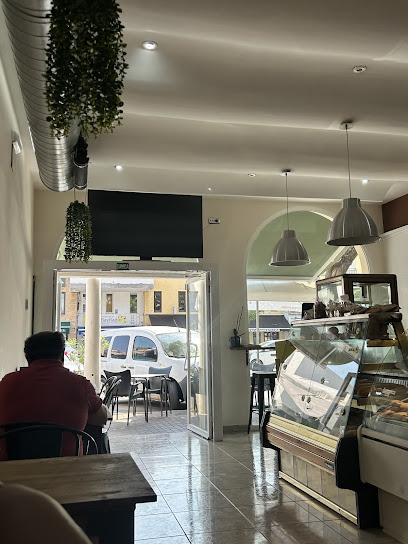
Karolida
★ 5 (80 avis · 2026-06-07)

Carú ArroceríaCarú Arrocería | Arroces y Paellas en el Puerto de Jávea
★ 5 (47 avis · 2026-06-07)
Pas de site webCatering4u
★ 5 (27 avis · 2026-06-07)
SAÓ Mediterráneo
★ 5 (26 avis · 2026-06-07)
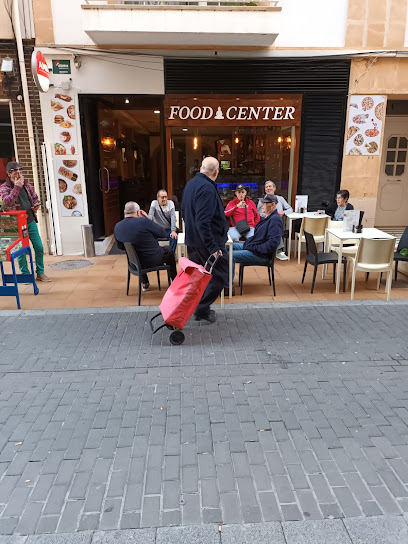
Restaurante Food Center
★ 5 (22 avis · 2026-06-07)
Pas de site web