Moros y Cristianos — Jávea's beach battle in July
Mid-July turns the Arenal into a stage: a mock Moorish landing on the sand at dawn, then night after night of slow-marching filaes in gold and velvet, gunpowder in the air and brass bands that don't stop till long past midnight.
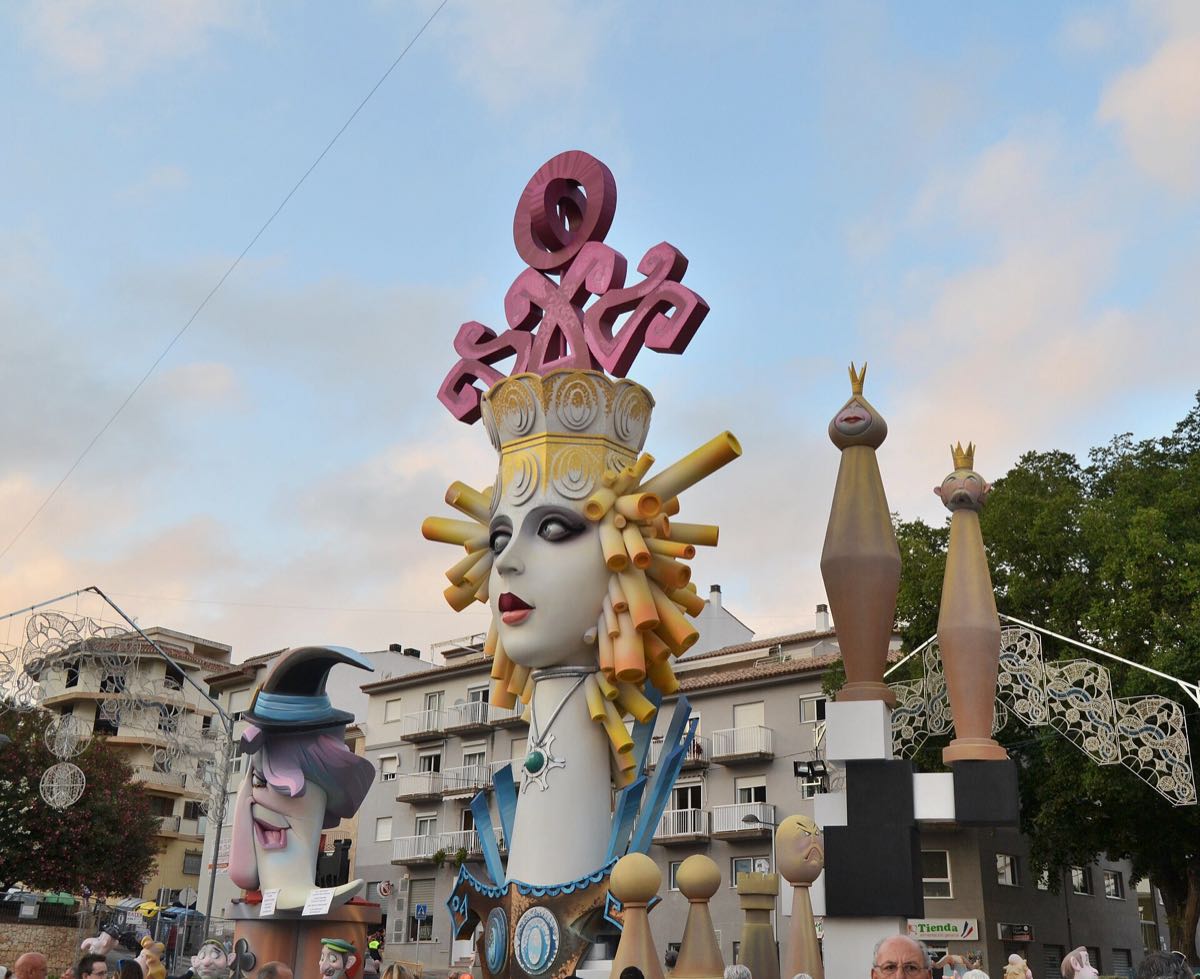
A mock invasion, taken completely seriously
Moros i Cristians — Moors and Christians — is Jávea's loudest fiesta and its most theatrical: a full week built around a staged battle for the town, fought, lost and re-won on the sand. It commemorates centuries of raiding and reconquest along this coast, but nobody involved is solemn about it — the costumes are extravagant, the gunpowder is real, and half the town spends the rest of the year preparing the outfit for their filà, the costumed brigade they march with. Jávea's version is staged against the sea rather than an inland square, which makes it one of the more photogenic renditions on this stretch of coast.
When it happens
Moros i Cristians lands in mid-to-late July, but the exact days shift from year to year — this is not a fixed-date fiesta. The Ajuntament de Xàbia publishes the confirmed programme a few weeks beforehand; treat any date you read here, or anywhere, as approximate until then.
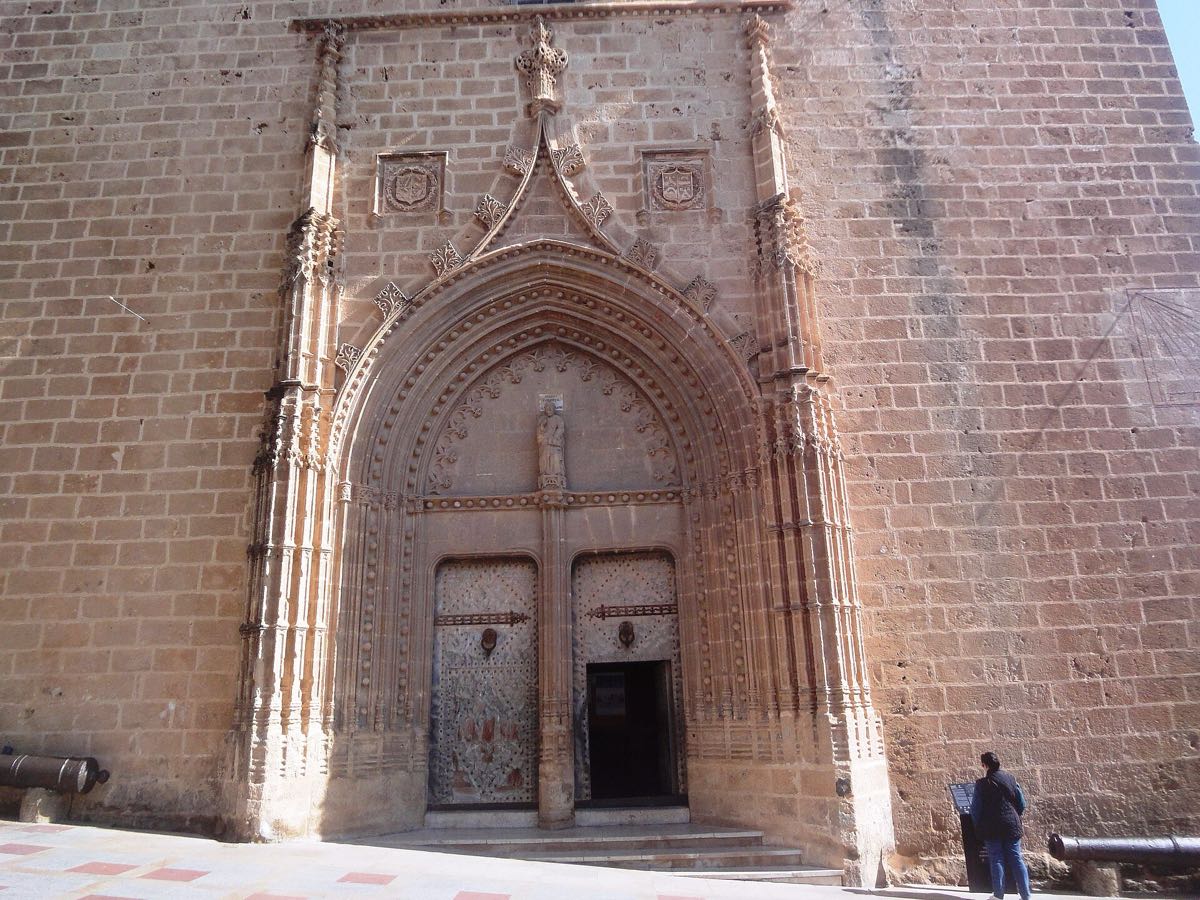
Where in Jávea
Everything happens at the Arenal, Jávea's main sandy beach and its liveliest promenade. For the duration of the fiesta the beachfront becomes a stage set: barriers go up along the parade route, café terraces fill early, and the usual sunbathing crowd shares the sand with a medieval-scale costume drama.
The landing on the sand
The week opens with the fiesta's signature set piece: a mock Moorish landing on the Arenal, usually staged in the early morning, with boats approaching the beach and a loud, gunpowder-heavy skirmish that plays out as the town is symbolically 'taken'. It is theatre, but committed theatre — real smoke, real noise, and a crowd that has got up early on purpose to watch it.
The night parades — filaes and brass bands
The evenings belong to the parades: filaes in extravagant, hand-finished costume advance along the seafront at a slow, hypnotic march, each brigade with its own hired brass band playing the same processional themes late into the night. It is a genuine spectacle of craft and stamina — some costumes take a filà's tailors months to prepare, and the marchers keep the same measured pace for hours.
What the fiesta represents
Moros i Cristians fiestas are staged across dozens of towns in the Valencian Community every summer, each with its own local variation on the same theme: centuries of coastal raiding and the long Christian reconquest that followed, replayed as festival rather than history lesson. The exact local legends behind any one town's version are often part folklore, part fact by now — treat the story as living tradition rather than a strict historical record, which is exactly how Jávea treats it too.
How to experience it as a visitor
A first-timer's plan for fiesta week:
- Check the programme first — dates and the parade route are confirmed a few weeks ahead by the Ajuntament
- Pick your night — the landing suits early risers, the parades suit night owls; you don't have to do both
- Arrive early for a spot — kerbside seats along the parade route fill up roughly an hour before it starts
- Bring earplugs and water — the gunpowder skirmishes are loud, and July nights on the Arenal stay warm
- Book accommodation ahead — the Arenal fills up fast for fiesta week, on top of it already being peak season
Crowds, parking and noise — the honest version
Be honest with yourself about what fiesta week does to the Arenal: parking gets genuinely difficult, the promenade is at its most crowded of the summer, and the noise — fireworks, bands, cheering — runs late. If you're staying nearby, expect a loud few nights rather than a quiet one. Walking or cycling in beats driving, and arriving on foot from further round the bay is often faster than hunting for a space near the beach.
Respect and etiquette
Stay behind the barriers during both the landing and the parades — this is partly for safety around the pyrotechnics and partly simple courtesy to the marchers, who have trained and dressed for months for their moment. Applause is welcome; stepping into the parade route for a photo is not. Children are very welcome throughout, but keep a firm hand on small ones near the noise and the crowd edges.
The fiesta at a glance
The reliable coordinates for planning around it:
Réponses rapides
Is Moros y Cristianos safe for children? Yes, with the same sensible precautions as any loud Spanish fiesta: the gunpowder skirmishes and fireworks are genuinely loud, so ear defenders for small children are worth packing, and everyone — adults included — watches from behind the barriers rather than in the thick of it. Spanish children stay up for fiestas far later than northern European bedtimes allow, and this one is squarely a family event, not an adults-only spectacle.
Do I need tickets to watch? No — the landing and the parades are free, public events watched from the beach, the promenade and the streets along the route. The only 'ticket' that matters is arriving early enough for a decent view; there's no gate, box office or reserved seating for the fiesta itself.
Places in this guide

Siesta Advisor
★ 5 (6049 avis · 2026-06-07)

Kanaloa Aventura
★ 5 (317 avis · 2026-06-07)

TRX Live Xàbia
★ 5 (100 avis · 2026-06-07)
Pas de site web
Espacio van Eijle
★ 5 (81 avis · 2026-06-07)

Freediving Jávea
★ 5 (63 avis · 2026-06-07)

Feel Better – Your Personal Gym
★ 5 (57 avis · 2026-06-07)
Browse all À faire in the directory →
Run one of these businesses? Claim your listing free →
You've just read the free guide — this pack is the working version you take with you.