Setting up utilities in Jávea: water, power and gas
Spanish utilities run as three separate systems with no single bundled bill, and getting them connected in the right order around a move saves a week of cold showers or a dark first evening. Here's how electricity, water and gas actually get set up in Jávea.
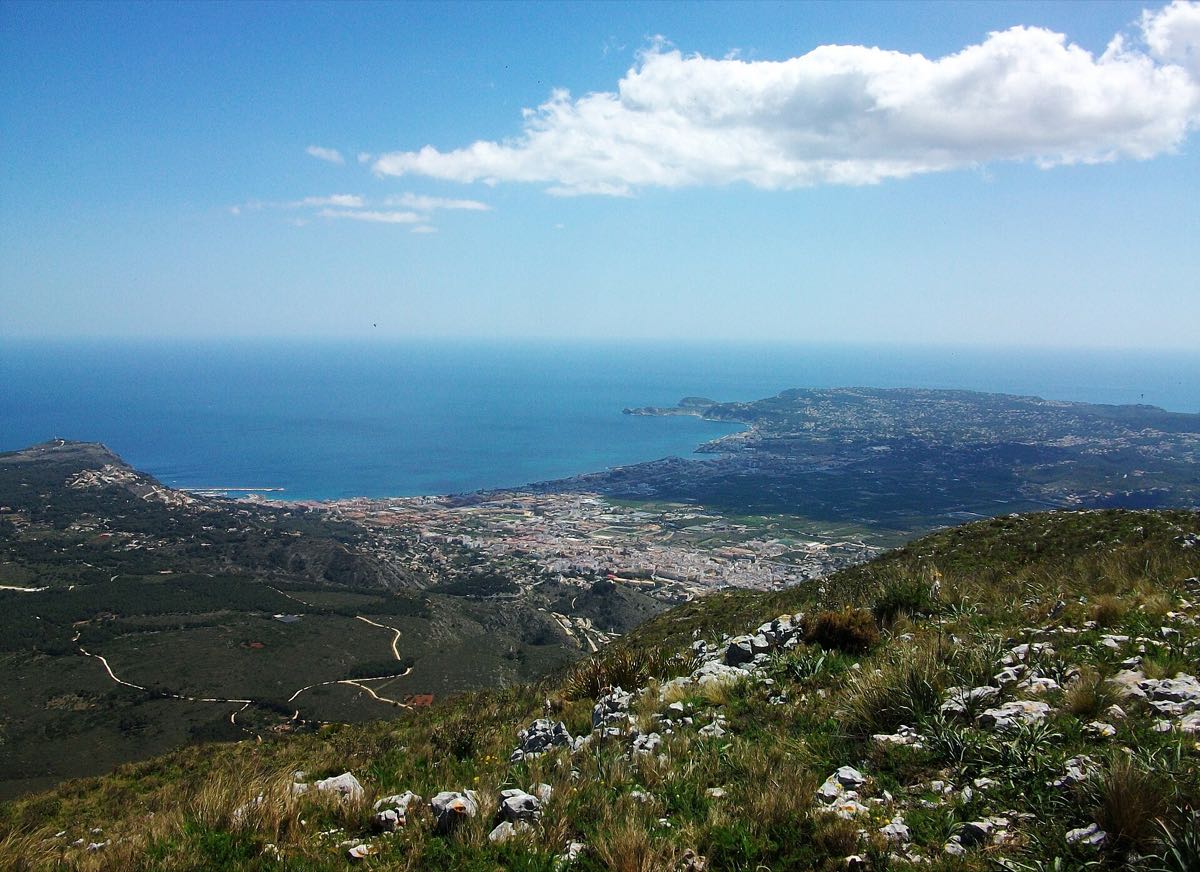
The utilities picture: three separate systems
Coming from a market with a single combined energy bill, the Spanish setup can feel oddly fragmented at first: electricity, water and gas are three entirely separate contracts, with different providers, different billing cycles and, in gas's case, often no pipe connection at all. Understanding that upfront saves a lot of confused searching for a bill that was never going to arrive as one document.
Electricity: providers, contracts and the CUPS number
Spain has a competitive market of electricity providers, and switching or setting up a new contract is broadly similar to doing so in the UK — compare rates, pick a supplier, sign up. The one Spain-specific detail worth knowing early is the CUPS number, a unique code tied to the property's actual connection point rather than to any particular customer. Any new supplier will need it, and it's usually visible on a previous bill for the property or obtainable from the outgoing occupant or the estate agent.
Registering as new occupant, step by step
The smoothest path for most buyers or renters follows a fairly consistent order.
- Get the CUPS number and recent bill details from the seller, landlord or agent before completion or move-in
- Decide whether to take over the existing electricity contract in your name or open a fresh one with a chosen supplier
- Do the same for water with the local municipal supplier
- Confirm meter readings at the point of handover, ideally in writing or photographed
- Set up direct debit payment once the contract is active, rather than relying on manual payment
Water: the local municipal supplier
Water in Jávea is supplied by the local municipal utility rather than a competitive market, so there's no provider comparison to do — the process is registering the property in your name and setting up payment. Standing charges typically apply alongside consumption, and billing is usually less frequent than electricity, often quarterly rather than monthly.
Gas: bottled versus mains
Unlike much of northern Europe, most homes in and around Jávea run on bottled butano gas rather than a mains connection, typically for hob cooking and sometimes water heating. Bottles are delivered or exchanged through local suppliers rather than billed automatically, which means budgeting for it as an occasional cash or card purchase rather than a recurring direct debit. A smaller number of properties, generally newer or in certain developments, do have mains gas or rely entirely on electric alternatives — worth confirming which applies to a specific property before assuming either way.
Setting a budget before the first bill lands
The actual cost of running a Jávea home — summer air conditioning, winter heating choices, pool pumps if applicable — is a separate question from getting connected, and it's covered properly in the cost-of-living guide linked below. This page is about the logistics of getting the accounts open in your name, not what they'll typically cost once they are.
What happens at completion or move-in day
For a purchase, utility handover is normally arranged around the notary completion date, with meter readings taken on the day to draw a clean line between the outgoing and incoming owner's usage. For a rental, the same principle applies at the start of the tenancy — agree and record readings with the landlord or agent before you start using anything, so there's no dispute later about who owes what.
Direct debit and paperless billing
Once a contract is live, setting up direct debit payment from a Spanish bank account is the standard and strongly recommended approach — manual payment of each bill is more fiddly and easier to miss than the consequences are worth.
Power cuts and who to call
Brief power cuts happen occasionally, particularly in older hillside areas or during summer storms, and the fix is almost always contacting the distribution network operator for the area rather than the electricity supplier who sends the bill — these are two different companies in Spain's deregulated market, and it's worth knowing which number to call before the power actually goes.
Timeline: how long each utility takes
Timelines vary by supplier and property, but a rough shape is useful for planning a move.
Réponses rapides
How long does it take to get electricity connected in a new home? Taking over an existing, already-connected supply in your own name is usually quick, often just a day or two once the paperwork and CUPS number are in order. A genuinely new connection where none previously existed is a longer, separate process involving the distribution network operator and can take considerably longer — worth checking early if buying a new-build or a property that's been unoccupied for some time.
Do all homes in Jávea have mains gas? No — most rely on bottled butano gas rather than a piped mains connection, which is normal across much of Spain rather than a Jávea-specific quirk. A smaller number of properties, more often newer builds, do have mains gas or run entirely on electric appliances instead, so it's worth confirming which setup applies to a specific home rather than assuming.
Places in this guide

Cristal Clear Window Cleaning
★ 5 (60 avis · 2026-06-07)

Servicios de Limpieza Roxy Jávea
★ 5 (43 avis · 2026-06-07)
Irina’s cleaning services
★ 5 (34 avis · 2026-06-07)

Tapicería Jávea
★ 5 (13 avis · 2026-06-07)

Noemí Antón | Ingeniera Agrónoma, Paisajista. Diseño de jardines.
★ 5 (7 avis · 2026-06-07)

PUERTO REAL
★ 5 (5 avis · 2026-06-07)
Browse all Services in the directory →
Run one of these businesses? Claim your listing free →
You've just read the free guide — this pack is the working version you take with you.