Birdwatching in Jávea: Montgó and the capes
The Montgó's protected scrub and karst slopes, and the sea-cliffs at Cap de Sant Antoni and Cap de la Nao, aren't only a hiker's backdrop — they're genuine birdwatching terrain, well enough regarded that the regional tourism board has filmed its own birding promotion here. Here's an honest look at where to go and when.
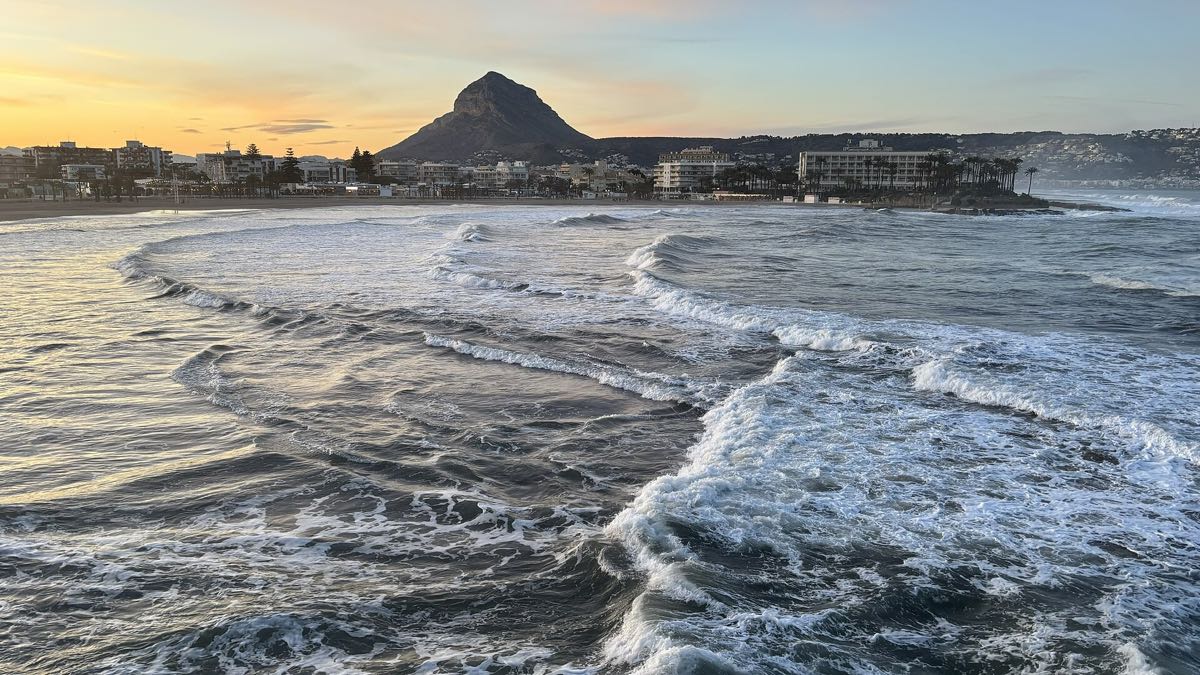
A protected mountain, a working habitat
The Montgó's status as a 753-metre protected natural park isn't only about the view from the summit trail — it protects a genuine habitat too, aromatic scrub, karst limestone and cliff faces that support real bird life. It's well enough regarded that the regional tourism board has used the mountain as the backdrop for its own birdwatching promotion — a useful, honest signal that this isn't a stretch of a claim.
What you might see on the Montgó
Expect the typical Mediterranean scrubland and raptor cast rather than an exhaustive species list here — a dedicated birding guide or app will do a far better job of exact identification than a general write-up can. Birds of prey using the thermals off the massif are the headline draw for most visitors; the lower scrub holds the smaller, quieter residents that reward patience more than distance covered.
The capes: seabirds and cliff-nesters
The sea-cliffs at Cap de Sant Antoni and Cap de la Nao add a different habitat entirely — exposed rock faces above open water, the kind of terrain that suits cliff-nesting seabirds rather than the Montgó's scrub specialists. The same coastal paths that make these capes a walking destination make them a birdwatching one too, just with binoculars added to the daypack.
Best vantage points
The classic walking viewpoints double as the classic birding ones:
- Molins del Montgó (the windmills) — an easy walk to wide views over both bays, good for scanning the sky over the massif
- Cap Prim — a short walk to a cliff-top view above the Portitxol islet, useful for seabirds and cliff faces alike
- Cabo la Nao — the grander cliff-top statement, further from town but worth the walk
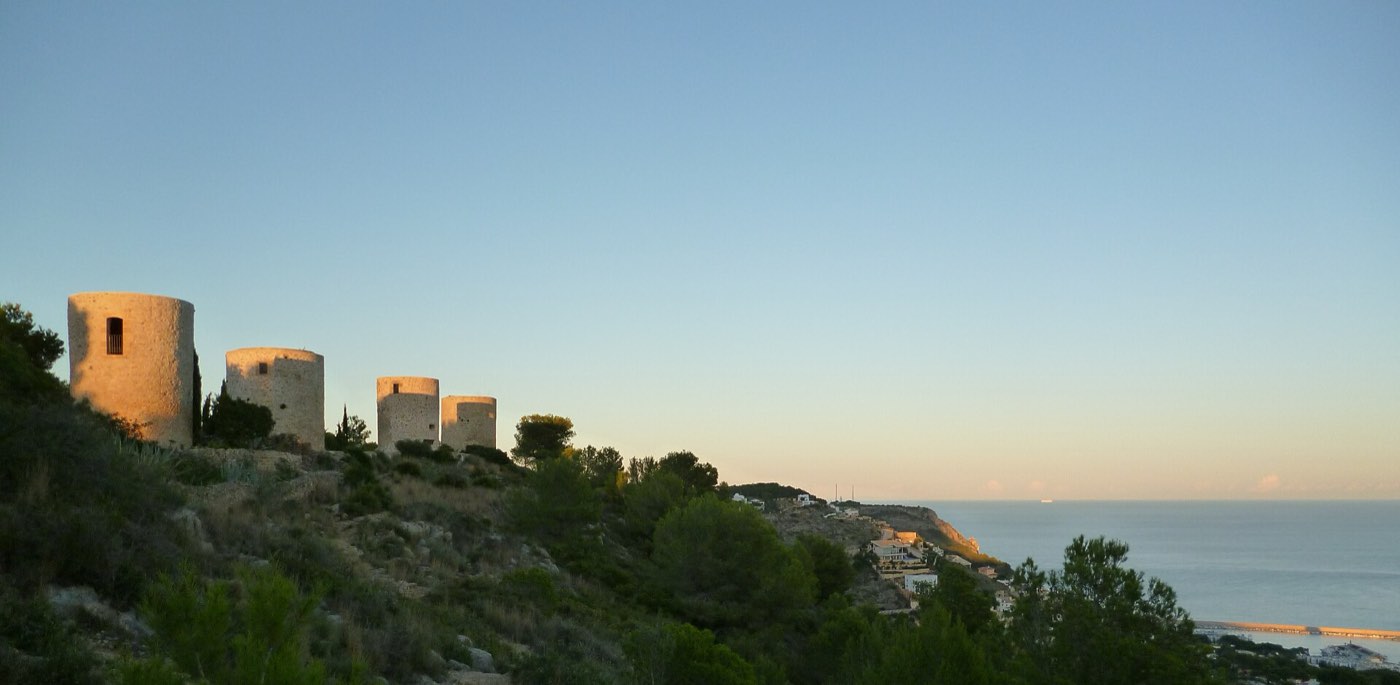
Spring and autumn migration
Like much of the Mediterranean coast, this stretch sits within a wider migration corridor, and the spring and autumn windows typically bring passing species on top of the resident cast — without claiming specific counts or dates that shift year to year, it's genuinely worth timing a visit around these seasons if birdwatching is the main draw.
Marine reserve etiquette
The water and cliffs around Cap de Sant Antoni and Cap de la Nao sit within a protected marine reserve, and the same rules that limit fishing and diving there exist partly to protect wildlife — nesting seabirds included. Stick to the marked paths, keep your distance from any nesting activity you spot, and treat the reserve status as a reason for care rather than an inconvenience.
What to bring
Binoculars matter more than any other single item, alongside comfortable walking shoes with real grip — the Montgó's limestone punishes flimsy trainers the same way it does for hikers — water, sun protection, and patience. Quiet, unhurried movement counts for more than any piece of kit.
Beginner vs experienced
Beginners are best served by the easy windmill viewpoint walk, done slowly and with patience rather than covering distance. Experienced birders tend to start earlier and work the quieter stretches of the Cap Prim and Cabo la Nao paths, away from the busiest walking hours.
A first outing, step by step
A sensible order for a first birdwatching morning:
- Check the day's heat and conditions before setting out
- Start at first light, well before the trails fill up
- Pick an easy viewpoint route first — the windmills suit a beginner well
- Bring binoculars and keep movement and noise to a minimum
- Respect the marine reserve boundaries near the capes
Pairing birdwatching with a wider walk
These are, not coincidentally, the same trails covered in this site's wider hiking guide — the difference is pace and purpose rather than route. A birdwatching morning slots naturally into a longer walking day, or stands alone for anyone who'd rather move slowly and look up more than usual.
Snelle antwoorden
Is Montgó good for birdwatching? Yes — the protected scrub and karst habitat genuinely supports bird life, and it's well enough regarded that the regional tourism board has used it for its own birdwatching content. It rewards an early start and a slow pace more than any specialist gear.
Do I need a guide to go birdwatching near Jávea? No — the classic viewpoints are walkable independently with a decent pair of binoculars. A local guide adds species knowledge and better odds on a short visit, much as a guide adds value to the wider Montgó trails for anyone short on time.
Places in this guide

Kanaloa Aventura
★ 5 (317 beoordelingen · 2026-06-07)

Freediving Jávea
★ 5 (63 beoordelingen · 2026-06-07)
Scuba Diver Javea
★ 5 (30 beoordelingen · 2026-06-07)

DIVING PORT JAVEA
★ 4.9 (381 beoordelingen · 2026-06-07)
Alicante Aventura
★ 4.9 (263 beoordelingen · 2026-06-07)

La Rana - Rutas guiadas en Kayak Javea
★ 4.8 (226 beoordelingen · 2026-06-07)
Browse all Te doen in the directory →
Run one of these businesses? Claim your listing free →
You've just read the free guide — this pack is the working version you take with you.