Getting married in Jávea: the destination wedding guide
Couples choose this coast for reasons that photograph well and hold up in person: cliff light, coves you can swim in the morning of, an old town that needs no dressing. Here's how the legal side actually works, what kind of venues you're choosing between, and the honest shape of a Jávea wedding — timeline, season and budget included.
Why couples choose Jávea
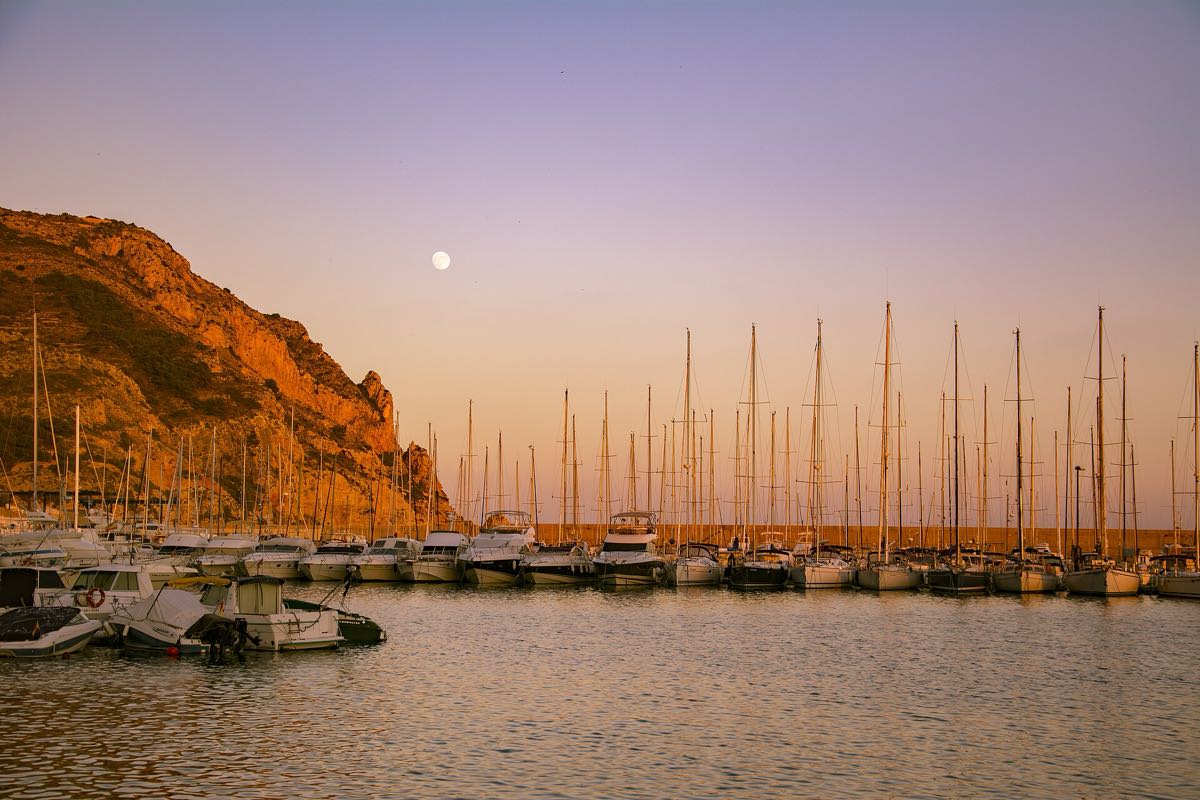
The pitch writes itself and is still true: light that turns gold about an hour before it sets, coves you can swim in on the morning of the wedding, an old town of stone arches and bougainvillea that needs no florist's help. What's less obvious until you've stood on the Montgó looking down at the bay is how much the geography does the work a wedding planner elsewhere spends a budget trying to fake — the cliffs, the pine backdrop, the sea that's genuinely turquoise rather than brochure-turquoise. None of which excuses skipping the practical half of this guide. A beautiful backdrop and a legally sound, well-timed, well-supplied wedding are two different projects, and the couples who leave here married and unstressed did both.
Civil, church or symbolic: the legal reality
This is the section to read before you fall in love with a venue. Spain recognises civil and religious (Catholic) ceremonies as legally binding; a symbolic ceremony has no legal standing on its own and exists purely for the vows-and-photographs experience. For non-resident couples, a full legal civil marriage in Spain involves residency-adjacent paperwork — empadronamiento, document legalisation, translation and a processing timeline that rarely suits a tight travel window. The workaround most international couples land on is entirely legitimate: complete the legal marriage at home in the weeks before travelling, then hold a symbolic ceremony here that carries all the emotional weight and none of the bureaucracy. A Catholic church wedding is possible but generally requires established ties to a parish and its own document trail. None of this is exotic — wedding planners on this coast handle it constantly — but the requirements shift, so confirm current requirements with the civil registry or your consulate before you commit to a date.
Choosing your venue type
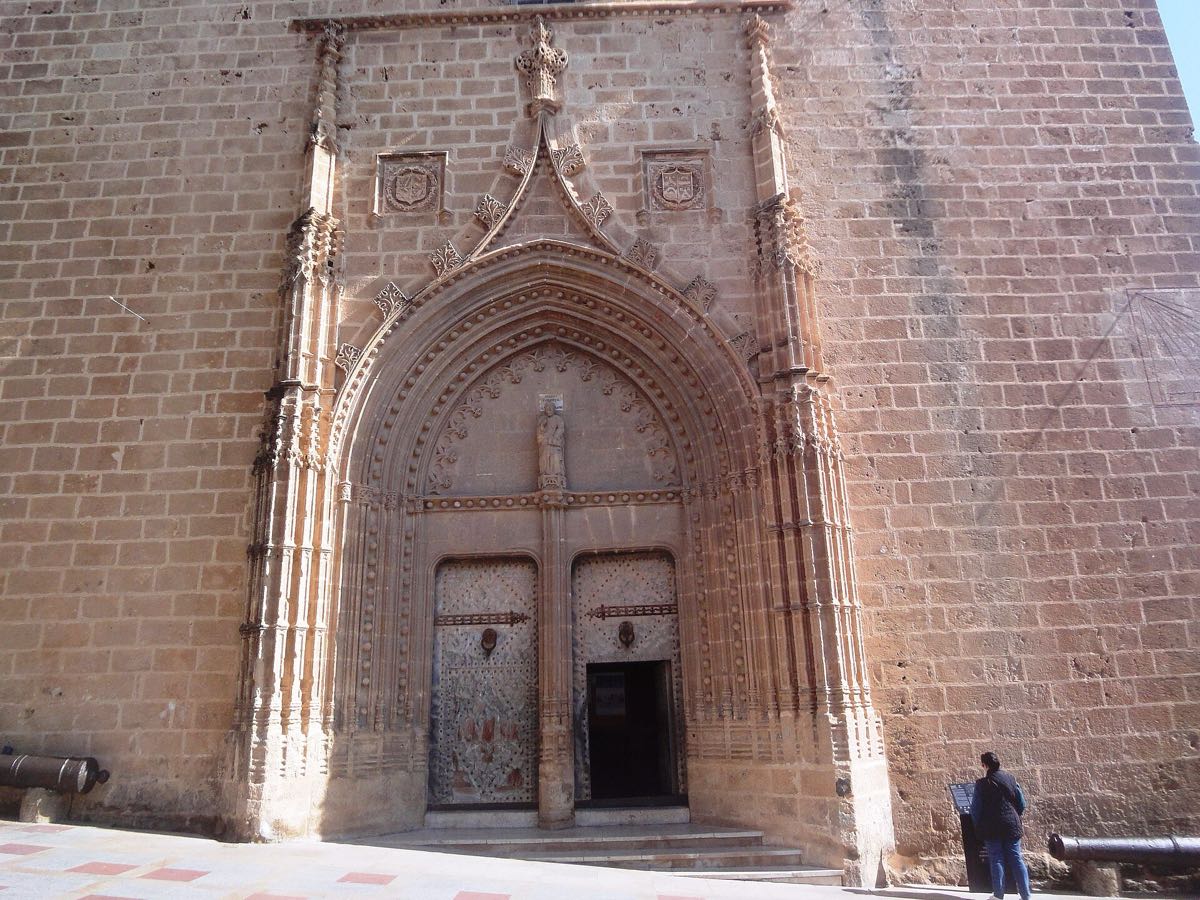
Jávea doesn't have one wedding venue archetype — it has four, and the right one depends on the wedding you actually want rather than the one in the mood board. Cliff-top villas give you the sea-drop view and total control of the day but usually mean bringing in every supplier yourselves. Beach clubs trade some of that privacy for built-in catering, bar and often a dancefloor with the water right there. Old-town spaces — courtyards, terraces, the odd converted townhouse — put you inside the stone-and-bougainvillea backdrop with a five-minute walk to dinner afterwards. Vineyard fincas inland, among the moscatel terraces, offer the rustic-elegant look with more space and easier parking than anything on the coast road. Our directory's venue and event-space listings are the place to compare what's actually available and bookable, rather than relying on any single name — the right fit depends on guest count, season and how much you want handed to you versus arranged yourselves.
The planning timeline: twelve months to the week of
A Jávea wedding compresses reasonably well if you have to, but this is the shape that avoids last-minute scrambling for couples planning from abroad:
- 12 months out: lock the date and venue type, start the legal-route decision (home marriage vs. Spanish civil), and get a wedding planner or coordinator in your corner if you're not local
- 9 months out: book photographer, caterer (if not venue-included) and any live music — the good ones on this coast fill up a summer season early
- 6 months out: send save-the-dates, confirm flights and accommodation blocks for guests, finalise the legal paperwork track
- 3 months out: menu tasting, final headcount, flowers and styling confirmed, order of the day drafted with your venue or planner
- 1 month out: final payments, seating plan, weather contingency confirmed with the venue, welcome-pack details sent to guests
- The week of: rehearsal if you're having one, welcome drinks for arriving guests, and — genuinely — block out a few unscheduled hours for yourselves before the day itself
Best months to marry: reading the season
The honest version of the seasonal advice: May, June and September are the sweet spot, with reliable sun, warm-not-brutal evenings and a coastline that hasn't reached peak-August crowding. July and August deliver the most certain sunshine of the year but also the most certain heat — afternoon temperatures that make an outdoor ceremony before 7pm a genuine endurance test for guests in formalwear, and villa and venue prices at their highest. Couples who want the guaranteed-dry gamble without the worst of the heat increasingly land on late September or early October, when the sea is still warm from summer and the light softens earlier in the day. Whichever month you pick, ask your venue directly about their wet-weather contingency — genuine rain on a Jávea wedding day is rare but not impossible, and a venue without a real plan B is a risk not worth taking.
Suppliers to book first
Three suppliers determine whether the rest of the day runs smoothly, and all three get booked out furthest in advance for a summer Saturday: your photographer, your wedding planner or coordinator, and your caterer if the venue doesn't provide one in-house. A good local planner earns their fee purely in supplier relationships and permit knowledge — they know which beach clubs actually allow amplified music past a certain hour and which don't, which is not a fact worth discovering on the day. Our directory's event-planning, photography and catering categories are the working starting point for shortlisting locally based suppliers rather than flying a team in, which tends to cost more and know the venues less.
Local touches: food, wine and music
The food and drink at a Jávea wedding can lean as local as you want it to. Moscatel from the vineyard terraces above the town makes an easy welcome-drink or favour that guests haven't tasted before; a paella station is a crowd-pleasing nod to where you are without tipping into cliché if it's done well rather than as an afterthought; local seafood, when the venue can source it fresh, tends to outperform anything flown in for the occasion. On the music side, Jávea's supplier bench runs from flamenco guitar for a ceremony to full bands and DJs for the reception — worth booking a local act over importing one, if only because they already know the venue's power supply and curfew.
Guest logistics: getting everyone here and settled
Most international guests will fly into Alicante or Valencia, both a manageable transfer from Jávea — figure roughly an hour from Alicante and a little over that from Valencia in normal traffic, longer in peak summer weekend congestion. For a guest list of any size, arranging or recommending a coach transfer from the airport on arrival day saves everyone the cost and stress of individual car hire, and our airport-transfer guide covers the practicalities of booking that. Accommodation is the other half of the puzzle: Jávea has everything from villa rentals that can house a wedding party together to hotels and aparthotels within walking distance of the old town, and our where-to-stay guide breaks down which area suits which kind of guest. Book accommodation blocks early — a summer Saturday wedding is competing with the town's regular holiday season for the same rooms.
Budget shape: what actually costs the most
Without inventing figures that would be wrong within a season anyway, the honest shape of a Jávea wedding budget is this: venue and catering dominate, typically together accounting for the largest single share of total spend, followed by photography and planning fees. Flowers, styling and music sit meaningfully behind those two, and legal/admin costs — translations, certified copies, consulate fees if you're going the full-legal-in-Spain route — are a small line item relative to everything else but worth budgeting for early since they're time-sensitive rather than optional. Peak-season (July–August) and peak-day (Saturday) pricing runs noticeably higher than a shoulder-season weekday, which is worth weighing against the heat trade-off in the seasons section above.
Snelle antwoorden
Can we have a legally binding wedding in Jávea if we're not Spanish residents? You can, but the paperwork for a full legal civil marriage in Spain as a non-resident involves registry requirements, document legalisation and a timeline that often doesn't suit a short travel window — which is why many international couples complete the legal marriage at home first and hold a symbolic ceremony here instead. Both routes are entirely legitimate; the right one depends on your timeline and how much admin you want to take on. Confirm current requirements with the civil registry or your consulate before booking anything non-refundable.
What's the best time of year to get married in Jávea? May, June and September give you reliable warm weather without August's peak heat, crowds and prices — genuinely the sweet spot most local planners point couples toward. July and August guarantee sunshine but also guarantee heat that makes an early-evening ceremony far more comfortable than a midday one. Whatever month you choose, confirm your venue's wet-weather contingency; rain is rare here but not impossible.
How far in advance should we book our venue and suppliers? For a summer Saturday, twelve months out is the safe minimum, particularly for venues, photographers and planners — the best of each category on this coast fill their season early. A shoulder-season weekday wedding has more flexibility and can sometimes be arranged in six to nine months, but the legal-paperwork track (especially a full civil marriage in Spain) needs its own runway regardless of how flexible the venue is.
Places in this guide

Aventura-T Kayak en Jávea
★ 5 (344 beoordelingen · 2026-06-07)

The Vets Jávea
★ 5 (291 beoordelingen · 2026-06-07)

Atina
★ 5 (183 beoordelingen · 2026-06-07)
Redwood Solar S.L.
★ 5 (110 beoordelingen · 2026-06-07)

Vive Jávea
★ 5 (88 beoordelingen · 2026-06-07)
Sonia Garcia Comunicación
★ 5 (72 beoordelingen · 2026-06-07)
Browse all Diensten in the directory →
Run one of these businesses? Claim your listing free →
You've just read the free guide — this pack is the working version you take with you.