Internet and mobile in Jávea: getting connected
Spain's national telecom operators cover Jávea well, but coverage isn't uniform — hillside villa zones can lag the town centre on fibre, which matters enormously if remote work depends on it. Here's how connectivity actually works here, what to check before you commit to a property, and how to get set up without a NIE slowing you down.

Getting connected in Jávea: what's different from home
For most newcomers, getting online in Jávea is a non-event — fibre is genuinely good across much of the town and established residential zones, and mobile coverage is solid on the main networks. The one thing worth knowing before you commit to a specific property, especially if remote work depends on a reliable connection, is that coverage isn't perfectly uniform, and a villa a few hundred metres up a hillside road can sit in a genuinely different coverage reality than a flat in the port.
The main players
Spain's telecoms market runs on a handful of established national operators — Movistar, Vodafone, Orange, MásMóvil (which also owns Yoigo) and DIGI, alongside a long tail of smaller virtual operators (MVNOs) that lease network capacity from the big players and often undercut them on price. All of them operate here; none of them are unique to Jávea, and switching between them once you're set up is a straightforward, well-regulated process.
Fibre coverage — the villa-hillside catch
The town centre, the port and most established residential areas have strong fibre coverage from multiple operators, often letting you shop on price and package rather than availability. The catch is genuinely real for some of the newer or more spread-out villa zones on the hillsides above town, where fibre rollout has lagged the pace of building — worth checking a specific address's actual coverage with an operator directly, rather than assuming, before you sign a rental contract or make an offer on a property where connectivity matters to you.

The fallback: 4G/5G home broadband
Where fibre hasn't reached, a 4G or 5G home broadband router — essentially a SIM-based box that provides a wifi signal off the mobile network rather than a fixed line — is a widely used, genuinely workable alternative, and mobile network speeds in most of Jávea are strong enough to make it a real option rather than a compromise. It's worth testing your specific mobile signal at a property before assuming this fallback will perform the way you need it to, particularly for anything video-call-dependent.
SIM and eSIM options for newcomers
Getting a working Spanish SIM or eSIM on arrival is genuinely easy — pay-as-you-go options from most operators and MVNOs are available over the counter or online with just passport identification, no NIE required. This is the sensible first step for most newcomers: get connected immediately with a flexible PAYG SIM, then move to a full contract once you're settled and have the paperwork a contract typically requires.
Getting a Spanish contract, step by step
Once you're ready to commit to a full home broadband and mobile contract, the process generally runs like this:
- Have your NIE ready — most fixed contracts require it, even though PAYG SIMs typically don't
- Open or use a Spanish bank account — contracts are almost always paid by direct debit
- Check coverage at your specific address with the operator before signing, not after
- Compare package and contract length — many operators offer rolling monthly options as well as longer-term discounts
- Arrange installation if fibre is being newly connected — this can take one to several weeks depending on whether the building already has infrastructure in place
Pay-as-you-go vs contract
For anyone in the first months of a move, or genuinely unsure how long they'll be in a specific property, PAYG SIMs and rolling monthly plans avoid the commitment and paperwork of a longer contract while you get settled. Once you're confident in your address and have your NIE and bank account sorted, a longer contract typically works out better value for a household's main broadband connection.
EU roaming and calling home
Spanish SIMs benefit from EU roaming rules when travelling within the EU, which is a genuine convenience for anyone splitting time between Spain and another EU country. Calling numbers outside the EU — the UK included, since Brexit changed its status for roaming purposes — is worth checking specifically, since rates and any roaming allowances vary meaningfully by operator and plan.
The landline reality
Standalone landlines are largely a thing of the past — most fibre packages now bundle a landline number automatically, usable through the router rather than a separate phone line, and plenty of households never plug anything into it at all. If a working landline number matters to you specifically, confirm it's included rather than assuming, since not every package does.
Raske svar
Is fibre internet available everywhere in Jávea? No — coverage is strong across the town centre, the port and most established residential areas, but some newer or more spread-out hillside urbanizaciones haven't been reached by fibre yet. The only reliable way to know for a specific address is to check directly with an operator before committing to a property, rather than assuming coverage based on the general area. Where fibre isn't available, a 4G or 5G home broadband router is a genuine working alternative.
Can I get a Spanish mobile contract without a NIE? A pay-as-you-go SIM or eSIM, yes — these are widely available with just passport identification and no NIE required, which makes them the sensible first step for newcomers who haven't completed their paperwork yet. A full ongoing contract, whether for mobile or home broadband, almost always requires a NIE and a Spanish bank account for direct debit, so budget time to get both sorted if you want to move off PAYG.
Places in this guide
Smart Tecnològic
★ 5 (35 anmeldelser · 2026-06-07)
Pcjavea
★ 4.9 (10 anmeldelser · 2026-06-07)
Ingen nettside
PC Solutions
★ 4.8 (204 anmeldelser · 2026-06-07)
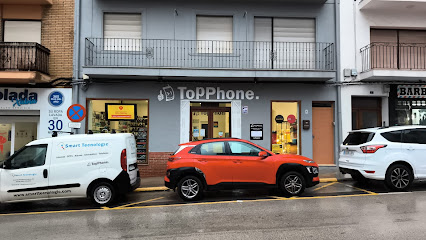
Motos Ruta 22 Jávea
★ 4.8 (162 anmeldelser · 2026-06-07)
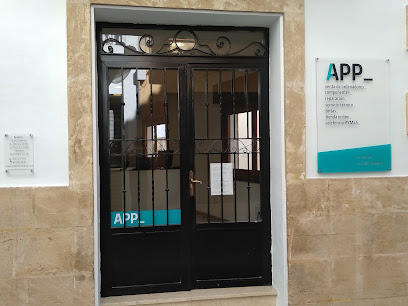
APP Informática Jávea
★ 4.3 (12 anmeldelser · 2026-06-07)

Tienda Orange
★ 4.2 (163 anmeldelser · 2026-06-07)
Browse all Shopping in the directory →
Run one of these businesses? Claim your listing free →
You've just read the free guide — this pack is the working version you take with you.