The non-lucrative visa: retiring to Spain from outside the EU
The non-lucrative visa is the route most non-EU retirees ask about when they want to live in Jávea without working here — proof of passive income, private health cover, and an application made before you move, not after. The rules and thresholds are reviewed and change, so treat this as orientation, not a substitute for advice from an immigration lawyer.
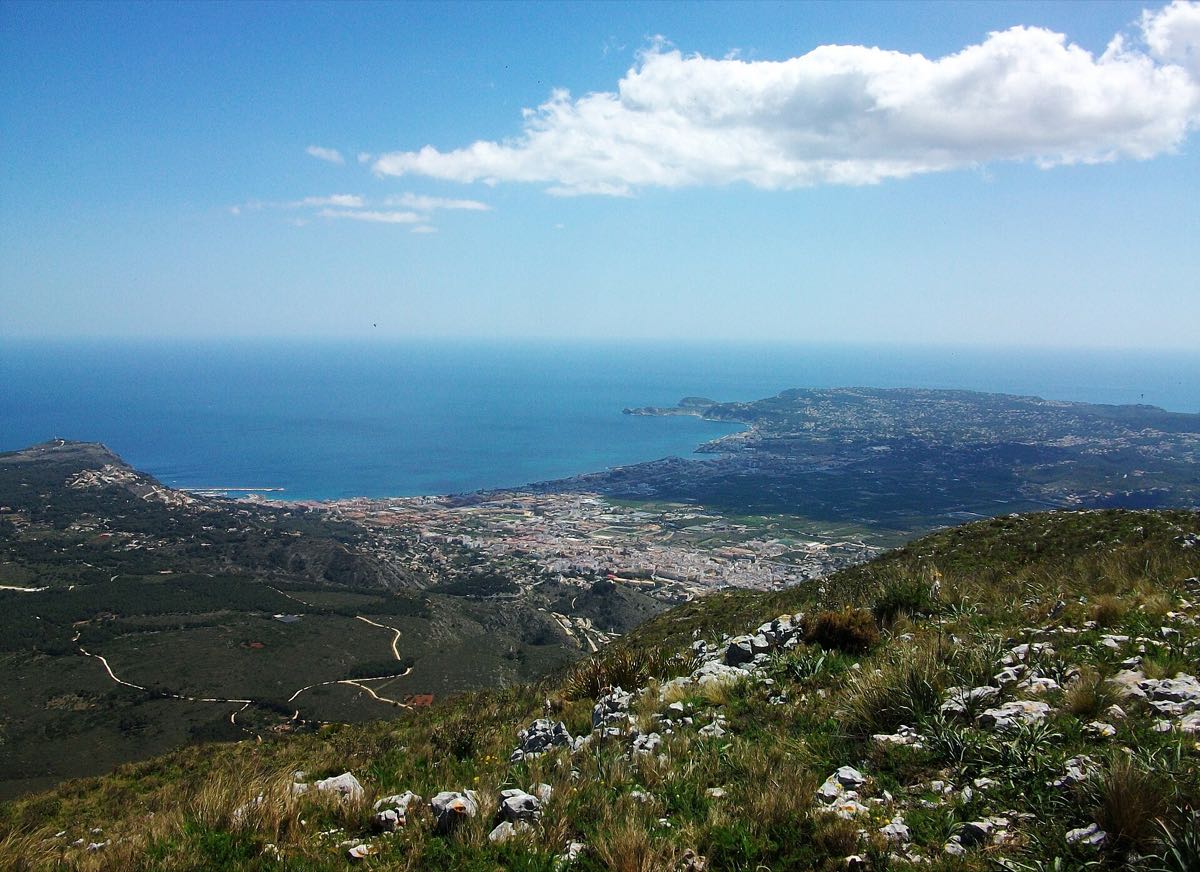
The visa route most retirees ask about
For non-EU nationals who want to live in Jávea long-term without working here — most commonly retirees, but also anyone with independent income who wants to relocate without a job offer — the non-lucrative visa (NLV) is usually the first route mentioned. It's a genuine, well-established path, but it's also a regulated immigration matter with rules that are reviewed and can change, so this guide is orientation to help you ask the right questions, not a substitute for advice from an immigration lawyer or the consulate handling your application.
What the visa actually allows — and doesn't
The name is the clue: non-lucrative means you're granted residency on the basis that you won't be earning money in Spain. You can live here full-time, but you cannot work for a Spanish employer or, generally, for a foreign one either — this is not the visa for anyone planning to keep a remote job going in the background. Spain has a separate digital nomad visa for that specific situation, and the two shouldn't be confused.
The income requirement, honestly explained
Applicants must demonstrate sufficient passive income or savings to support themselves — and, at a higher threshold, any dependants — without needing to work. The figure used to assess this is commonly tied to Spain's IPREM (a public income indicator that's reviewed annually), which means the exact euro amount required changes from year to year and can also vary slightly by consulate. Do not plan around a number you read somewhere online without confirming the current figure directly with the consulate or an immigration lawyer at the point you actually apply.
Health insurance requirements
Alongside the income test, applicants need private health insurance from a provider authorised to operate in Spain, with no co-payments and coverage equivalent to the Spanish public system. A policy designed for short-term travel or one with excesses and co-pays typically won't satisfy the requirement — this is a specific product, and it's worth getting an insurer to confirm in writing that their policy meets the visa's criteria before you submit anything.
The application sequence
The process runs, broadly, like this — though your consulate's exact checklist and appointment system should always be your primary reference:
- Confirm the current requirements with your specific consulate — income threshold, accepted proof, insurance criteria
- Gather financial evidence — bank statements, pension documentation, proof of savings or passive income, exactly as specified
- Arrange compliant private health insurance and get written confirmation it meets the visa's criteria
- Submit the application at the consulate in your home country — this cannot be done from within Spain
- Attend any required interview and wait for a decision before making irreversible moving plans
- Collect your visa and travel to Spain within the validity window it specifies
Processing times, honestly
Processing takes weeks at a minimum and can run considerably longer depending on the consulate, the completeness of your application and the time of year, so this is not a route to plan around a tight moving date. The single most common cause of delay is incomplete or incorrectly formatted financial documentation — which is precisely why most successful applicants use an immigration lawyer to review the paperwork before submission rather than after a rejection.
Renewing after year one
The initial NLV is typically granted for a shorter period, with renewal required after roughly a year, and further renewals at longer intervals after that — each renewal generally reassessing that you still meet the income and insurance requirements. Missing a renewal window, or letting your financial position slip below the required threshold without a plan, is the kind of problem worth avoiding rather than solving after the fact.
The path to permanent residency
Sustained legal residency under the NLV, renewed correctly over several years, can lead toward permanent residency and, eventually, potential eligibility for citizenship — though the specific years-in-country requirements and any language or integration conditions are exactly the kind of detail that changes and needs confirming with a lawyer well before you're relying on the timeline, not after.
Common reasons applications are refused
Insufficient or poorly documented income is the most frequent issue, closely followed by health insurance that doesn't meet the co-payment-free requirement, and paperwork submitted with translations or notarisations that don't match the consulate's specific format. None of these are exotic problems — they're precisely the reasons a careful, professionally reviewed application matters more than an ambitious moving-date spreadsheet.
Who this route suits
The NLV suits retirees and anyone with genuinely passive income — pensions, investment income, rental income from property elsewhere — who has no need or intention to work in Spain. Anyone who wants to keep working, even remotely for a non-Spanish employer, should be looking at the digital nomad visa instead and getting professional advice on which route actually fits their situation before committing time and money to either application.
Raske svar
Can I work in Spain on a non-lucrative visa? No. The non-lucrative visa is specifically granted on the condition that you will not work in Spain, for a Spanish employer or, generally, remotely for a foreign one either. Anyone who needs or wants to keep working should look at Spain's digital nomad visa instead, which is designed for exactly that situation, and should confirm with an immigration lawyer which route actually fits their circumstances before applying.
How much income do I need for the non-lucrative visa? The required amount is tied to a public Spanish income indicator (IPREM) that's reviewed annually, so the exact euro figure changes from year to year and shouldn't be taken from an old source. The safest approach is to confirm the current threshold directly with the specific consulate handling your application at the time you apply, ideally in writing, since requirements can vary slightly in practice between consulates even under the same national rules.
Places in this guide

Tomás Ballestero
★ 5 (72 anmeldelser · 2026-06-07)

Andrada Ocasión
★ 5 (71 anmeldelser · 2026-06-07)

Seguros Ocaso
★ 5 (20 anmeldelser · 2026-06-07)

PD ASSESSORS
★ 5 (13 anmeldelser · 2026-06-07)
Ingen nettside
Allianz Seguros
★ 5 (9 anmeldelser · 2026-06-07)
Vera-Cruanyes Asesores
★ 5 (6 anmeldelser · 2026-06-07)
Browse all Tjenester in the directory →
Run one of these businesses? Claim your listing free →
You've just read the free guide — this pack is the working version you take with you.