Jávea in March: the town changes its clothes
March is Jávea's changing room — winter's chill gives way to spring's warmth, terraces reopen along the port, and the fixed feast of San José on the 19th sits alongside the shifting date of Easter, which can arrive before the month is out. Weather turns noticeably kinder, though not yet reliably so.
The town changes its clothes
March is Jávea's changing room: the month when winter's cardigan comes off and spring's linen goes on, though not always in that order and rarely on schedule. Some days still carry a proper chill, especially in the mornings; others arrive warm enough to eat lunch outside without a second thought. Shutters that stayed down through January and February start lifting one by one, scaffolding appears on villas getting ready for the season, and there's a sense — subtle but unmistakable — of a town rolling its sleeves up. It's neither winter nor spring proper, and that in-between quality is exactly its appeal.
Weather, honestly
The climb in temperature through March is real but not dramatic — a few degrees warmer than February on average, with far more reliably sunny days strung together. Early mornings can still catch you out with a chill, and a cold snap in the first half of the month is not unusual, but by late March the shift towards spring is unmistakable: longer evenings, a stronger sun, and the first days genuinely warm enough for shorts. The clocks go forward towards the end of the month, adding an extra hour of evening light almost overnight.
What's reopening, and San José
March is when the town visibly reopens for business — restaurants that took winter breaks return one by one, port and Arenal terraces shake off their winter covers, and by month's end most of Jávea's hospitality trade is back at full strength, though tables are still easy to find without booking. The fixed date to know is 19 March, San José, a regional feast day that further up the coast in Valencia and Dénia explodes into the enormous Fallas festival of monuments and fireworks; Jávea's own observance is quieter, a working public holiday rather than a parade, but worth knowing if you're relying on shops or offices. Depending on the year, late March can also bring the very start of Semana Santa, since Easter's date drifts between late March and late April.
The first blooms
Spring announces itself in the countryside before it announces itself in town. From March, the slopes of the Montgó start their annual transformation — rosemary and thyme scenting the paths, the first broom in electric yellow, rockrose beginning its slow takeover of the drier ground. It's an overture rather than the full performance, which arrives properly in April, but for anyone walking the Les Planes plateau or the lower Cova Ampla paths this month, it's a genuine preview of what the Montgó Natural Park does best.
The sea, still in winter mode
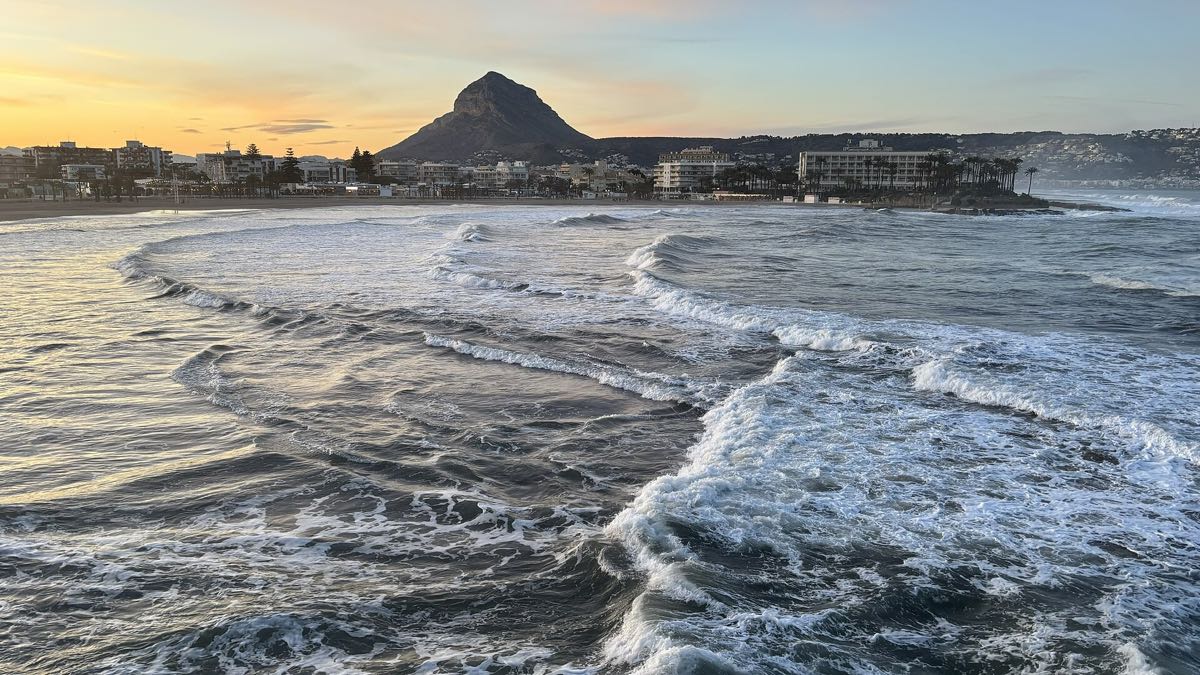
The sea in March is still firmly a winter sea — clear, a little rough on windier days, and cold enough that swimming remains a minority pursuit. Beaches are quiet but not empty; the first fine weekends bring out walkers, dog owners and the odd family testing the water with their ankles before retreating. It's an excellent month for coastal walking without crowds, particularly around the Cap de la Nao and Ambolo, where March light has a clarity summer's haze never quite matches. Boat owners start their own version of spring cleaning around now too, scrubbing hulls and checking engines ahead of the first proper outings, so the marina picks up an air of quiet activity even while the water stays cold.
What locals do
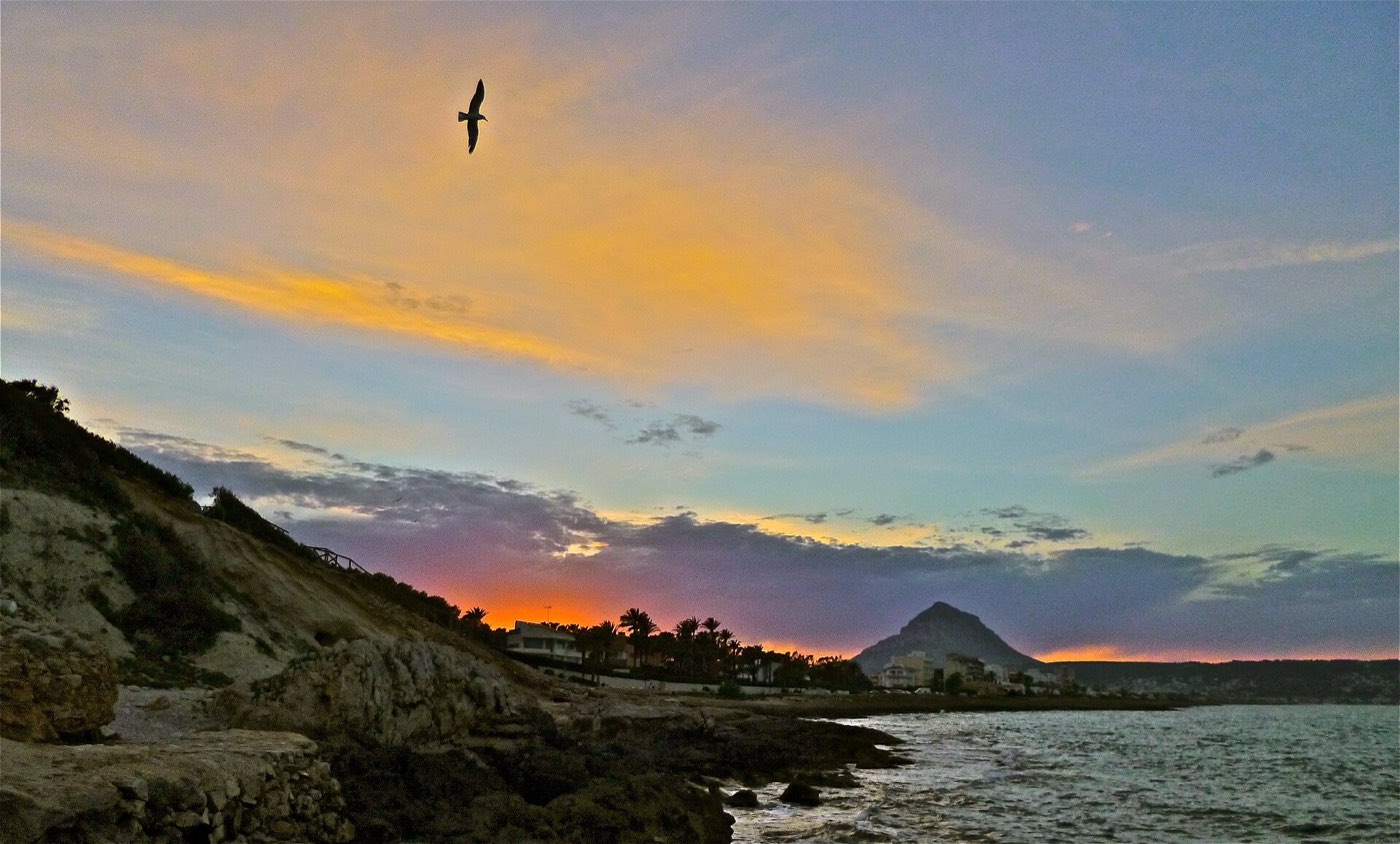
Locals treat March as a limbering-up month — gardens get planted, boats come out of winter storage, and the padel courts and gyms that filled up in January start emptying slightly as people move outdoors instead. It's also prime season for inland trips while the walking weather holds and before summer heat closes off the harder trails; a Sunday drive to Gata de Gorgos or the Jalón valley is a popular way to spend a free afternoon.
Who March suits
March suits walkers keen to beat the spring crowds, house-hunters wanting to see gardens and terraces waking up rather than fully staged, and travellers happy to trade guaranteed sunshine for lower prices and real local life. It's a less obvious choice for swimmers or anyone wanting summer's certainty — patience with changeable weather still pays off here. Families timing a visit around Semana Santa should check the year's specific dates carefully, since March or April both remain possible.
One day in March
A March day works well split between coast and country: a morning walk on the lower Montgó paths while the light is clean and the trail quiet, lunch on a port terrace that's just reopened for the season, and an afternoon drive inland towards Jalón or Alcalalí to catch the last of the almond blossom or the first of the wildflowers, depending on timing. Finish with dinner back in Jávea as the evening cools — March nights still have a bite even when the days feel like spring.
Szybkie odpowiedzi
Is March a good time to visit Jávea? Yes, particularly for walkers and house-hunters. Expect changeable but generally mild weather, terraces reopening, and a town visibly waking up without yet being busy. The sea stays cold, so it's not a swimming month, and Easter's shifting date means the very end of March can occasionally bring Semana Santa's crowds. Outside that window, March is one of the better value, lower-crowd months on the calendar.
Does Easter ever fall in March in Jávea? Sometimes. Semana Santa's date moves with the lunar calendar and can fall anywhere from late March to late April, so it's worth checking the specific year before assuming which month you'll land in. If Easter does fall in late March, expect the same processions, family crowds and busier restaurants that any Easter week brings, just arriving earlier than usual and with cooler weather to go with it.
Places in this guide

Kanaloa Aventura
★ 5 (317 opinii · 2026-06-07)

TRX Live Xàbia
★ 5 (100 opinii · 2026-06-07)
Brak strony
Espacio van Eijle
★ 5 (81 opinii · 2026-06-07)

Freediving Jávea
★ 5 (63 opinii · 2026-06-07)

Feel Better – Your Personal Gym
★ 5 (57 opinii · 2026-06-07)

Dance & Fitness Studio
★ 5 (49 opinii · 2026-06-07)
Browse all Atrakcje in the directory →
Run one of these businesses? Claim your listing free →