Jávea vs Dénia: Which Costa Blanca Town Suits You?
One is a working city with a castle and a ferry port, the other a quieter coastal town built around three distinct neighbourhoods. Both are excellent — the question is which pace of life you're actually after.
A city and a town, sharing a mountain
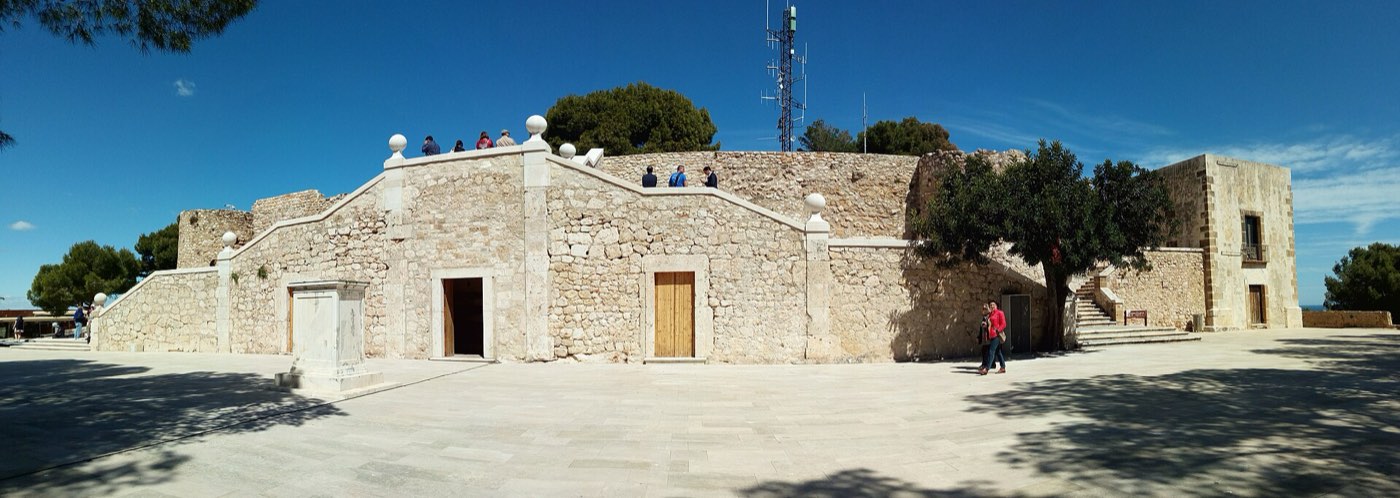
Jávea and Dénia sit on opposite sides of the Montgó massif, close enough that the drive between them barely counts as a journey, yet the two could hardly feel more different once you actually arrive. Dénia is a genuine working city: a Moorish castle rising over the rooftops, a busy ferry port sending boats to Ibiza and Mallorca, and a commercial centre that functions all year regardless of tourist numbers passing through. Jávea is smaller and more residential, split across three loosely connected zones — old town, port and Arenal beach — with none of Dénia's civic scale but a good deal more calm woven through daily life. Visitors tend to enjoy both equally; residents usually end up with a firm preference one way or the other.
Beaches, coastline and getting in the water
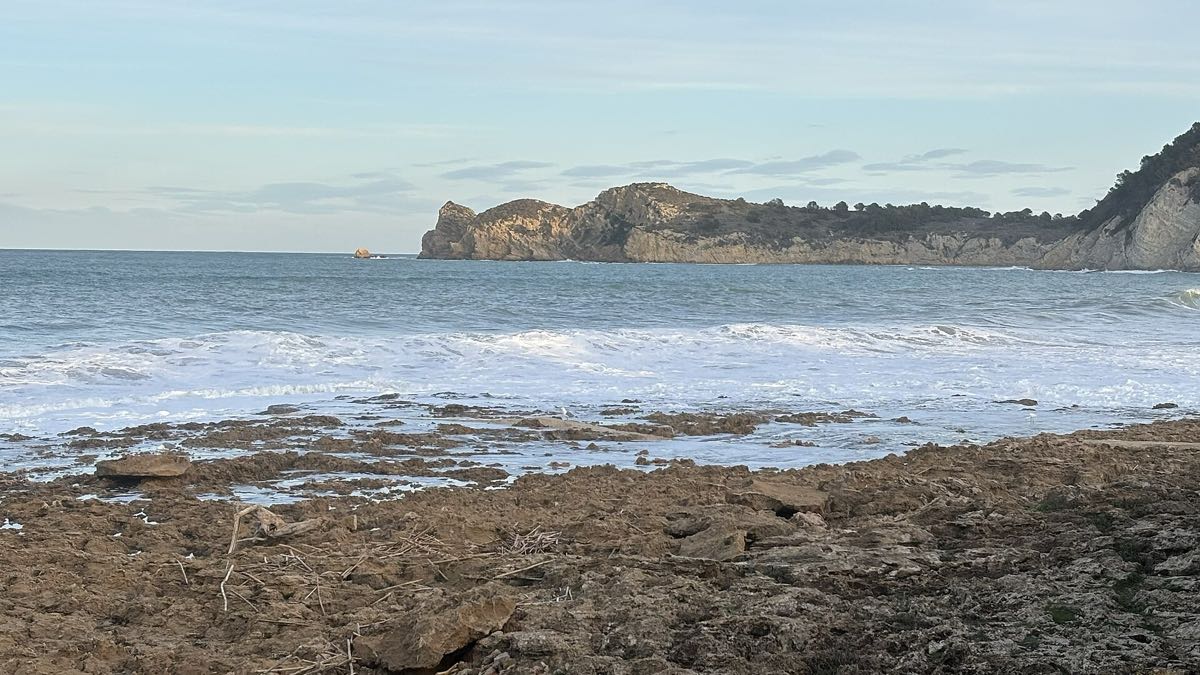
Dénia's beaches run long and mostly sandy, particularly to its north and south, well suited to families who want flat, easy access and don't need drama in the scenery to enjoy an afternoon. Jávea's coastline does the opposite: shorter stretches of sand at Arenal, then a run of rocky coves — Granadella chief among them — that reward the effort of getting there with genuinely striking, clear water. Neither town is short of options in summer, but if a wide, uncomplicated sandy beach is the priority, Dénia edges it; if you want cove-hopping and a bit more coastal character on the way, Jávea does.
Dining: a serious food city versus a strong all-rounder
This one leans Dénia's way and it would be dishonest to pretend otherwise. The city's UNESCO Creative City of Gastronomy designation isn't a marketing flourish — Dénia takes its cooking seriously, the red prawn landed by its own fishing fleet is a genuine culinary event, and the sheer range of serious restaurants is wider than Jávea's simply because the city is bigger and the trade is deeper-rooted. Jávea holds its own comfortably, particularly at the port, where the fish restaurants rival anything nearby, and the old town has a loyal following for tapas and year-round local trade — but Dénia is playing a bigger game on this particular field, and knows it.
Walkability and daily life
Dénia's centre is genuinely walkable in the way a small city is — castle, market, harbour and shopping streets all within reach of each other, with the kind of everyday bustle Jávea's old town doesn't quite match on an ordinary Tuesday. Jávea, being split into three separate zones several kilometres apart, is walkable within each neighbourhood but not really between them; you'll want a car or at least a bike to move from the port to the old town to Arenal in the course of a normal day. For visitors who like to base themselves somewhere and wander without planning, Dénia's compactness has the edge; for residents happy to drive short distances between distinct moods, Jávea's spread is part of the appeal rather than a drawback.
Transport and access
Dénia has an edge on connectivity that's easy to overlook: a coastal train line runs south towards Alicante, alongside the ferry terminal for Ibiza and Mallorca, giving it transport options Jávea simply doesn't have. Jávea has no station and no port of its own, so residents rely entirely on the road network — the AP-7 motorway a short hop inland, plus local buses along the N-332 corridor. For a car-owning resident this rarely matters day to day, but for anyone weighing up a car-free lifestyle, or wanting an easy island hop without flying, Dénia's extra infrastructure is a genuine practical advantage.
Community and identity
The size gap shapes who ends up living where. Dénia's population is large and varied enough to support a genuine cross-section of Spanish city life alongside its international residents, with neighbourhoods, schools and services on a scale Jávea doesn't attempt to match. Jávea's smaller, three-zone structure produces a more intimate feel — you get to know the old town's regulars, the port's fishing families, the Arenal holiday crowd — because there are simply fewer people and fewer places for a routine to unfold across. Buyers drawn to anonymity and city convenience tend to gravitate towards Dénia; those who want to be recognised in the bakery within a few months tend to end up in Jávea.
Property flavour and winter life
Dénia's property market is broader and generally more accessible — more apartments, more price points, a bigger stock overall, reflecting its size as a working city rather than a resort town built around holidays. Jávea leans harder towards villas and townhouses, with a market that skews qualitatively upmarket in its clifftop and front-line areas, though its old town and inland pockets offer more modest options too, for those who look. Winter is where the city-versus-town distinction really shows: Dénia carries on much as it does in summer, shops open, market running, life continuing regardless of season, while Jávea quietens noticeably, especially at Arenal, even as its old town and port keep a steadier year-round pulse than the beach strip does.
- Pick Dénia if you want city-scale amenities, a serious food scene, a ferry connection to the Balearics, and a property market with more entry points.
- Pick Jávea if you want a quieter, more residential coastal identity, cove-led beaches, and a slower pace that still holds up through winter in its old town and port.
A brief word on history
Dénia's scale isn't a modern accident — it's been a significant port town since Roman and Moorish times, which is exactly why it has a castle worth climbing and a harbour worth building a ferry terminal around. That long history as a trading and fishing hub explains the depth of its food culture too; Dénia didn't decide to become a gastronomy city, it simply never stopped being one. Jávea's history runs quieter by comparison: a fortified inland settlement built for safety from pirate raids, with the coast only properly developed once the threat had passed and tourism arrived to take its place. Neither history makes one town better, but it explains a great deal about why Dénia feels like a city with a coastline and Jávea feels like a coastline with a town attached.
Szybkie odpowiedzi
Is Dénia bigger than Jávea? Yes, noticeably. Dénia functions as a working city with a substantial year-round population and a commercial centre to match, while Jávea is a smaller, more residential coastal town split across three distinct neighbourhoods rather than one urban core.
Can I get a ferry from Jávea? Not directly — the nearest ferry port is Dénia, about 25 minutes away, which runs services to Ibiza and Mallorca throughout the year with an expanded summer timetable. It's a straightforward day-trip or transfer distance from Jávea if you're heading to the islands.
Which is better for a longer stay: Jávea or Dénia? It depends what you want daily life to look like. Dénia suits those who want city conveniences and a serious food scene within walking distance; Jávea suits those who'd rather have quieter coves, a slower pace and a more residential feel, with a short drive to Dénia whenever city life is needed.
Places in this guide

Kanaloa Aventura
★ 5 (317 opinii · 2026-06-07)

TRX Live Xàbia
★ 5 (100 opinii · 2026-06-07)
Brak strony
Espacio van Eijle
★ 5 (81 opinii · 2026-06-07)

Freediving Jávea
★ 5 (63 opinii · 2026-06-07)

Feel Better – Your Personal Gym
★ 5 (57 opinii · 2026-06-07)

Dance & Fitness Studio
★ 5 (49 opinii · 2026-06-07)
Browse all Atrakcje in the directory →
Run one of these businesses? Claim your listing free →