Kayaking and paddleboarding in Jávea
Jávea's coast — sheltered coves, clear water and a chain of launch points from the Arenal to the Granadella — is close to ideal for kayaking and stand-up paddleboarding, provided you read the wind before you read the map. Here's where to launch, when to go, and the marine-reserve rules worth knowing before you paddle past the capes.
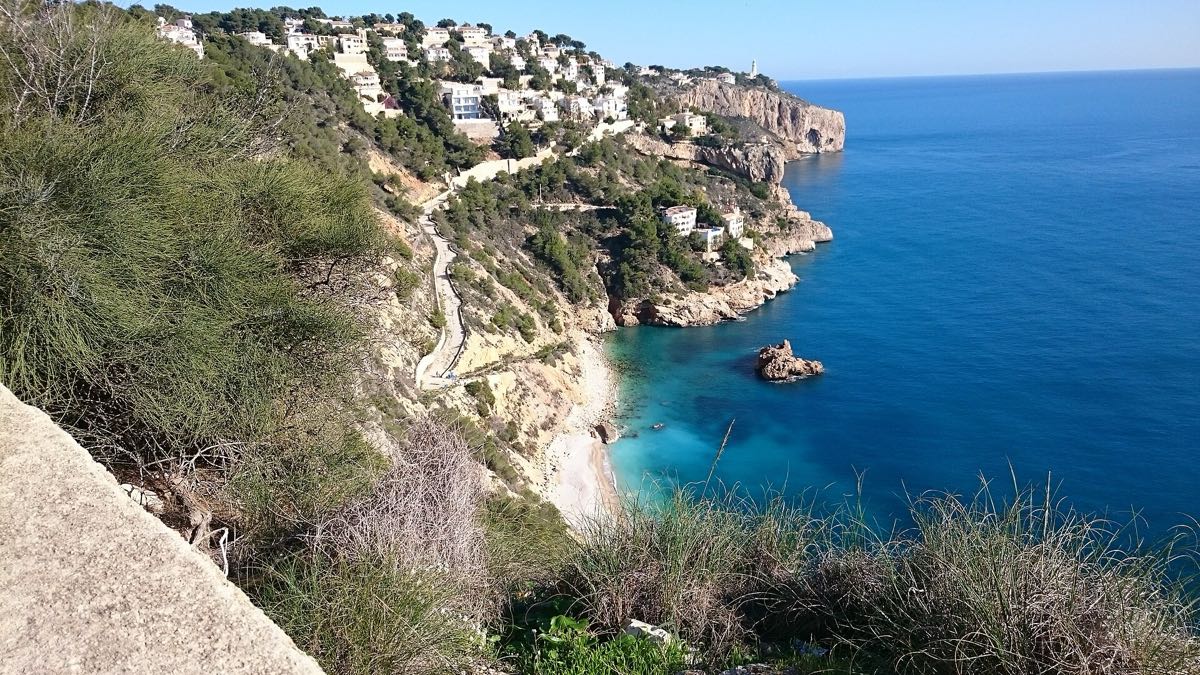
Why this coast suits a paddle
Jávea's coastline does the hard work for you: a scalloped run of coves separated by pine-covered headlands, water clear enough to see the seabed from a paddleboard in most conditions, and — crucially for anyone new to either sport — several genuinely sheltered launch points where a wobbly first ten minutes doesn't mean a wobbly first ten minutes in open swell. It's a coast built for exactly this, which is presumably why half the town seems to own a kayak or a board by their second summer here.
Where to launch
Four spots cover most of what you'll want to do on the water:
- The Arenal — flat, sandy, easy access, good for a first outing or an evening paddle along the bay
- La Grava and the port beaches — sheltered by the harbour wall, a reliable calm-water option even when the open coast is choppier
- Portitxol — a short paddle out to the islet and back, one of the prettiest short routes on this stretch of coast
- Cala Granadella — the classic longer paddle toward the cliffs and coves to the south, best attempted once you're comfortable on the water
Reading the wind before you go
The single most important skill for either sport here isn't paddling technique, it's wind-reading. A Levante (easterly) can build a genuine swell against this coast through the day; a Poniente (westerly, off the land) can feel deceptively calm at the shore while pushing you steadily further out than you meant to go. Check a proper marine forecast, not just the sky above the beach, and treat any onshore wind forecast to strengthen through the day as a reason to go early or not at all.
Renting vs bringing your own
Seasonal rental operators set up at the main beaches through the warmer months, which is the easiest way to try either sport without committing to gear or roof-rack logistics. Outside peak season, or if you want to paddle at your own pace rather than a rental window, plenty of residents keep their own boards or inflatable kayaks — inflatables in particular solve the storage problem for anyone in an apartment rather than a villa with space to spare.
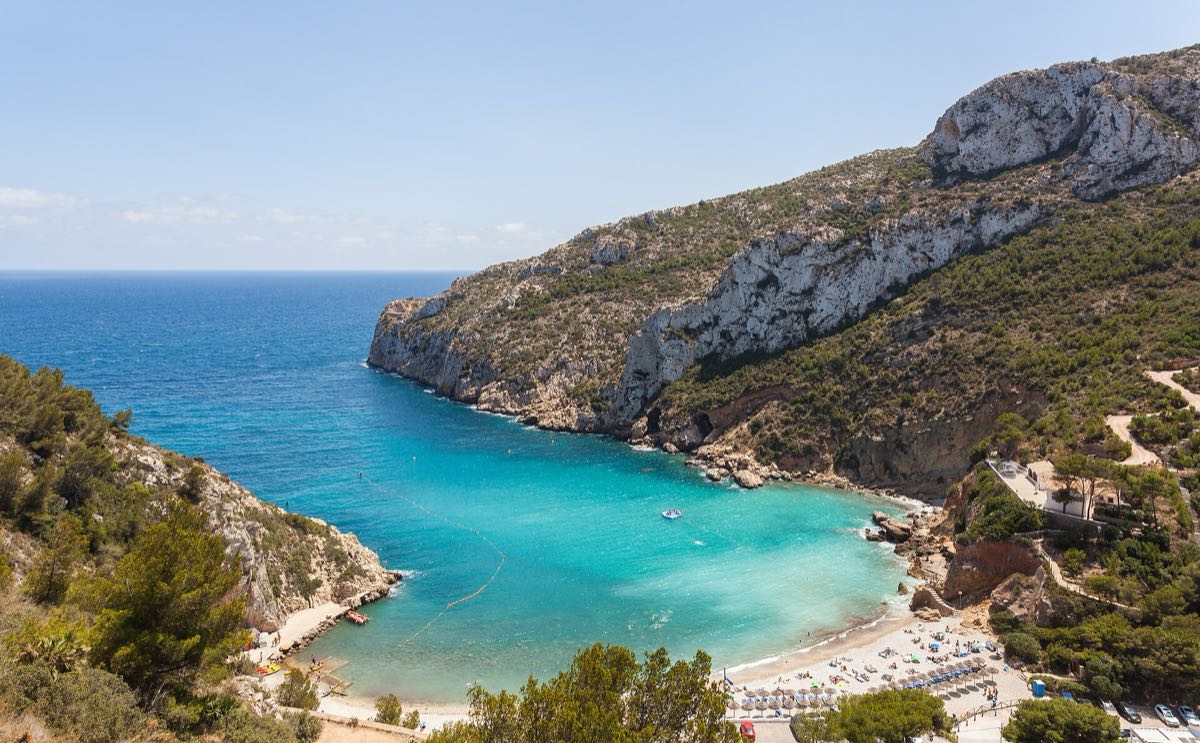
Your first outing, step by step
For anyone trying either sport here for the first time, this sequence keeps a good day good:
- Check the marine forecast the night before and again that morning — not just the sky
- Choose a sheltered launch for a first attempt — the Arenal or the port beaches, not the Granadella
- Fit your leash before you're in the water, not after
- Paddle into the wind first, so it carries you home rather than away from it
- Tell someone roughly where and when you're going, even for a short local paddle
The marine reserve near the capes
The water around Cap de Sant Antoni and Cap de la Nao falls within a protected marine area, with rules around anchoring, fishing and, in places, how close motorised and even non-motorised craft can approach certain zones. The exact boundaries and restrictions are the kind of detail that's worth confirming locally before you paddle that far — rules protecting a reserve are there for a good reason, and the coastline is spectacular enough from a respectful distance in any case.
Best time of day, best time of year
Early morning wins for both sports, nearly year-round — the sea is at its flattest before any thermal breeze develops, the light is better for photos, and the water is emptier. Spring and autumn often deliver the most consistently paddleable conditions of the whole year: warm enough water, cooler air, and fewer of the afternoon winds that can pick up through the height of summer.
Safety basics worth taking seriously
A leash between you and the board or kayak, a way to signal or call for help that survives getting wet, and telling someone roughly where and when you're going — none of it glamorous, all of it standard practice anywhere on open coastal water. The coves here look forgiving, and mostly they are, but the same headlands that shelter you from wind can also put you out of sight of the beach faster than you'd expect.
Lessons and guided routes
For anyone starting from zero, or wanting to see the sea caves and hidden coves that aren't obvious from a map, a guided outing or a short lesson block is worth the modest outlay — it compresses months of trial and error into an afternoon, and a local guide will know exactly which day's conditions suit which stretch of coast.
What to bring
Reef-safe sunscreen (reapplied more than feels necessary — the water reflects sun back at you), a dry bag for your phone and keys, water, and a hat or rash vest for the return leg when the sun is highest. Footwear that can get wet matters more at rockier launches like the Granadella than at the sandy Arenal.
Pairing a paddle with the rest of your day
A morning kayak or SUP session slots naturally into a longer beach day — paddle early while the water's flat, then swim, snorkel or simply lie in the sun for the rest of it. Several of the coves reachable by kayak are otherwise only accessible on foot down steep paths or by boat, which makes a paddle genuinely the easiest way to see parts of this coastline most visitors never reach.
Szybkie odpowiedzi
Do I need a licence to kayak in Jávea? For a standard sit-on-top kayak or an inflatable paddled from the shore, no licence is required for recreational use. Motorised craft and larger vessels are a different matter entirely and fall under separate regulations — if you're renting anything with an engine, the rental operator will handle the relevant paperwork with you at the point of hire.
Is Jávea good for beginners on a paddleboard? Yes, provided you choose the right launch point and conditions. The Arenal and the port beaches offer sheltered, flat water that's genuinely forgiving for a first attempt, and seasonal rental operators there are used to complete beginners. Save the longer, more exposed routes toward the Granadella or the capes for once you're comfortable staying upright and reading basic wind conditions.
Places in this guide

Kanaloa Aventura
★ 5 (317 opinii · 2026-06-07)

Freediving Jávea
★ 5 (63 opinii · 2026-06-07)
Scuba Diver Javea
★ 5 (30 opinii · 2026-06-07)

DIVING PORT JAVEA
★ 4.9 (381 opinii · 2026-06-07)
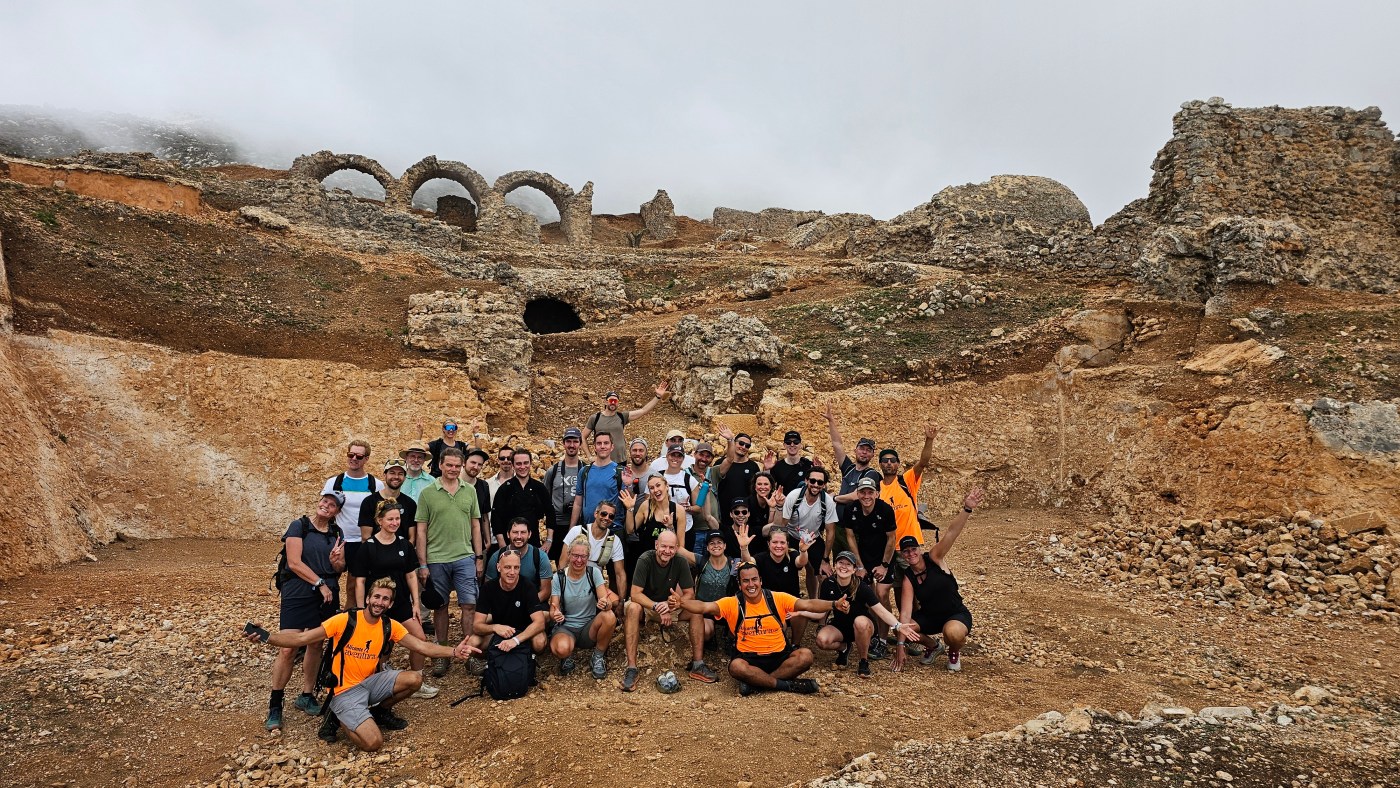
Alicante Aventura
★ 4.9 (263 opinii · 2026-06-07)

La Rana - Rutas guiadas en Kayak Javea
★ 4.8 (226 opinii · 2026-06-07)
Browse all Atrakcje in the directory →
Run one of these businesses? Claim your listing free →
You've just read the free guide — this pack is the working version you take with you.