Menú del día in Jávea: how it works and where to look
The menú del día — a fixed-price weekday lunch of starter, main and dessert or coffee — is still the best-value meal in Spain, and Jávea is no exception. It has its own etiquette, its own hours, and a legal history most diners never hear about. Here's how to order one without hesitating over the menu.
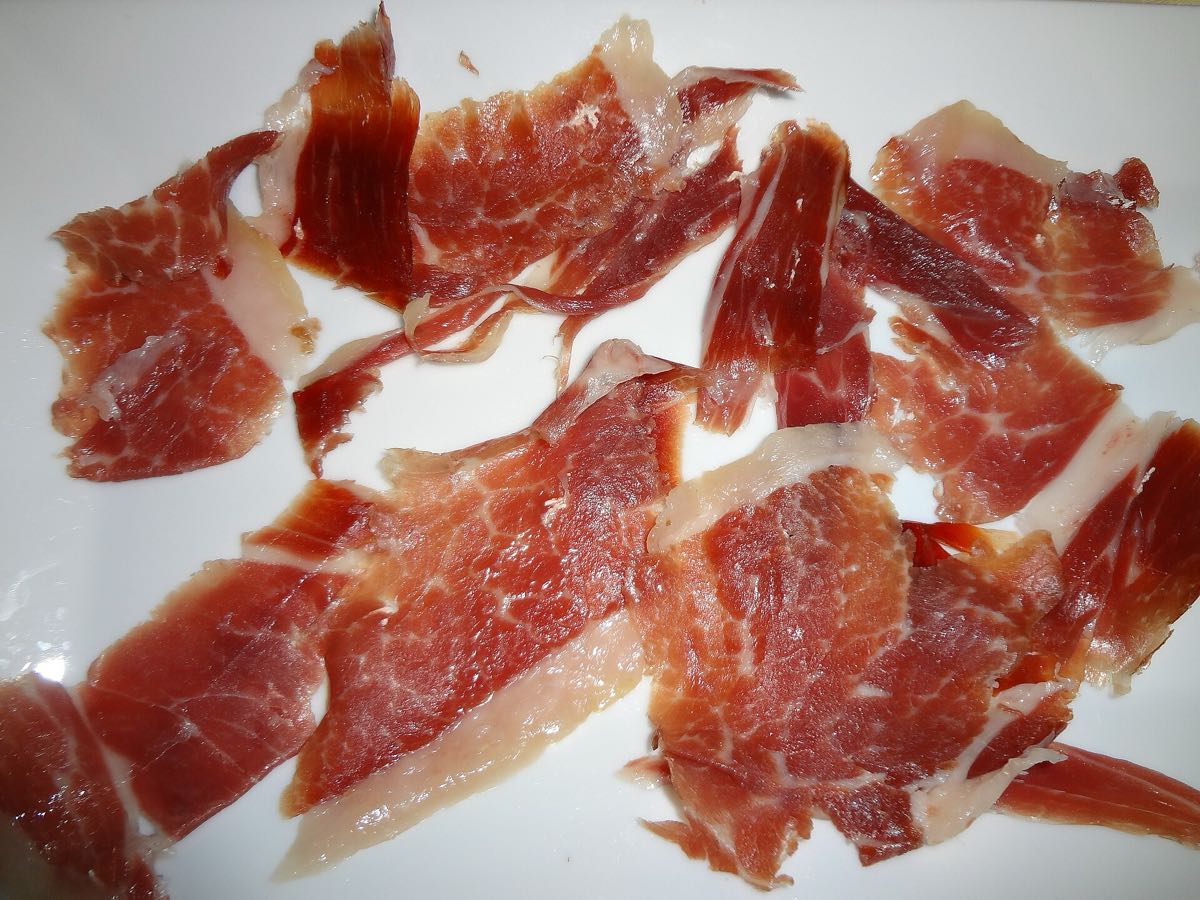
The best-value lunch in Spain, hiding in plain sight
Plenty of visitors eat their way through a week in Jávea without ever encountering the menú del día, and that's a genuine shame, because it's routinely the best meal-for-money on offer anywhere in town — a full, proper lunch, several courses, for a fraction of what the same dishes would cost off the à la carte menu. It's not a tourist gimmick or a downgrade; it's how a huge proportion of working Spain actually eats lunch on an ordinary Tuesday.
What a menú del día actually includes
The standard shape is a starter (often a choice of two or three — soup, salad, a small plate of something local), a main course (again usually a short choice, meat or fish), and dessert or coffee to finish. Bread and, very often, a drink — wine, beer or water — are included in the price, which is precisely what makes the value proposition so strong once you add it all up against ordering the equivalent individually.
Where the tradition comes from
The menú del día has a genuinely specific legal history: it dates to 1965 legislation in Franco-era Spain requiring restaurants to offer an affordable fixed-price meal, originally aimed at travelling workers who needed a proper lunch without a proper lunch's price tag. The law's specifics have long since evolved, but the cultural habit it created — an affordable, dependable weekday set lunch, everywhere, all the time — never went away, and it's one of the more quietly remarkable pieces of everyday Spanish life.
When it's served — and when it isn't
This is squarely a weekday lunchtime institution — typically available from around half past one through mid-afternoon, when the kitchen is geared up for it. It's rarely offered at dinner, and many places quietly drop it or run a reduced version on weekends and public holidays, when the crowd shifts from local workers to leisure diners with more time and different expectations.
Ordering menú del día like you've done it before
The sequence is simple once you know it:
- Ask if there's a menú del día — it's not always printed on the main menu, especially in more tourist-facing spots, so it's worth asking directly
- Choose from the set starters and mains — usually a short list, not the full à la carte range
- Confirm what's included — drink and dessert-or-coffee are standard, but worth a quick check
- Order your drink with the meal, not as an extra — it's usually built into the price already
- Don't expect to substitute freely — the set choices are the set choices, and that's part of what keeps the price down
What to expect to pay
Exact prices vary a great deal by venue, location and how many courses are included, so quoting a single figure would be more misleading than helpful — the honest and consistent pattern across Spain, and here, is that a menú del día costs meaningfully less than ordering the same dishes individually off the à la carte menu, often by a wide margin. Ask the price when you ask about the menu itself; nearly every place displays it clearly, precisely because value is the whole point.
How to spot a good one
A car park or terrace genuinely full of local workers at half past one is a better signal than any review site — it means the kitchen is turning out something people who eat there every week actually rate. A handwritten or chalkboard menu, changed daily rather than printed and laminated, is another good sign: it usually means the kitchen is cooking with what's fresh that day rather than running a fixed rotation.
Weekday vs weekend differences
Beyond simple availability, the character of the meal shifts too — a weekday menú del día tends to be quicker, more functional, built around people who need to be back at work within the hour, while a weekend lunch (where it's offered at all) often stretches longer and leans more social. Neither is better; they're simply different occasions wearing the same name.
Menú del día vs à la carte: when each makes sense
For an unhurried, exploratory meal where you want to try specific dishes or share several plates, à la carte gives you the freedom the fixed menu doesn't. For a straightforward, excellent-value weekday lunch where you're happy to be guided by what the kitchen's doing that day, menú del día wins comfortably — and for anyone watching a Jávea budget without wanting to sacrifice a proper sit-down meal, it's one of the most useful habits to adopt early.
Szybkie odpowiedzi
Is menú del día available every day in Jávea? It's overwhelmingly a weekday lunchtime offering, typically available Monday to Friday and sometimes Saturday, at most restaurants that serve one at all. Sundays and public holidays are the least reliable — many kitchens either don't offer it that day or switch to a more limited weekend format. If a specific day matters to your plans, it's worth asking or checking ahead rather than assuming.
Do you tip on a menú del día? Tipping in Spain generally is modest and optional rather than expected, and a menú del día is no exception — rounding up or leaving small change is common and appreciated, but nowhere near the percentage-based tipping norm in some other countries. Given the meal's whole ethos is affordable, functional value, most locals treat the tip the same way: small, easy, and never obligatory.
Places in this guide
Catering4u
★ 5 (27 opinii · 2026-06-07)
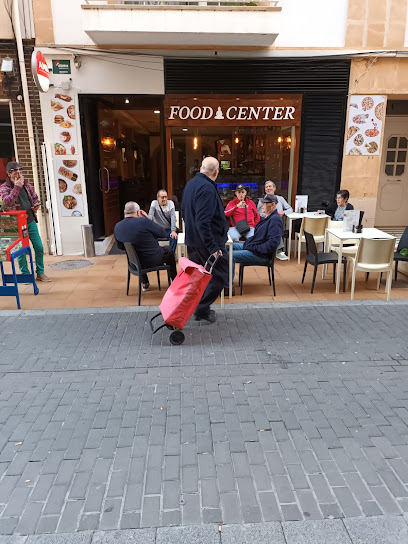
Restaurante Food Center
★ 5 (22 opinii · 2026-06-07)
Brak strony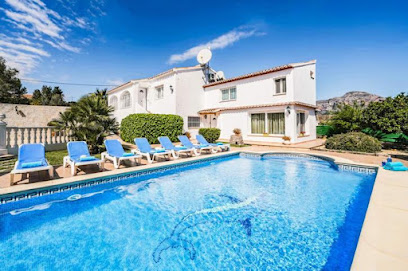
Villa Celeste
★ 5 (20 opinii · 2026-06-07)

La Casita de Paco
★ 5 (10 opinii · 2026-06-07)
La Casa della Pasta
★ 5 (5 opinii · 2026-06-07)
El Mirador
★ 5 (4 opinii · 2026-06-07)
Brak stronyBrowse all Gdzie zjeść in the directory →
Run one of these businesses? Claim your listing free →
You've just read the free guide — this pack is the working version you take with you.