Moving to Jávea from the UK: what to expect
A practical look at relocating from the UK to Jávea after Brexit — the paperwork path, money and healthcare headlines, schools, community life and the honest answer to what surprises British newcomers.
Why so many Brits choose Jávea
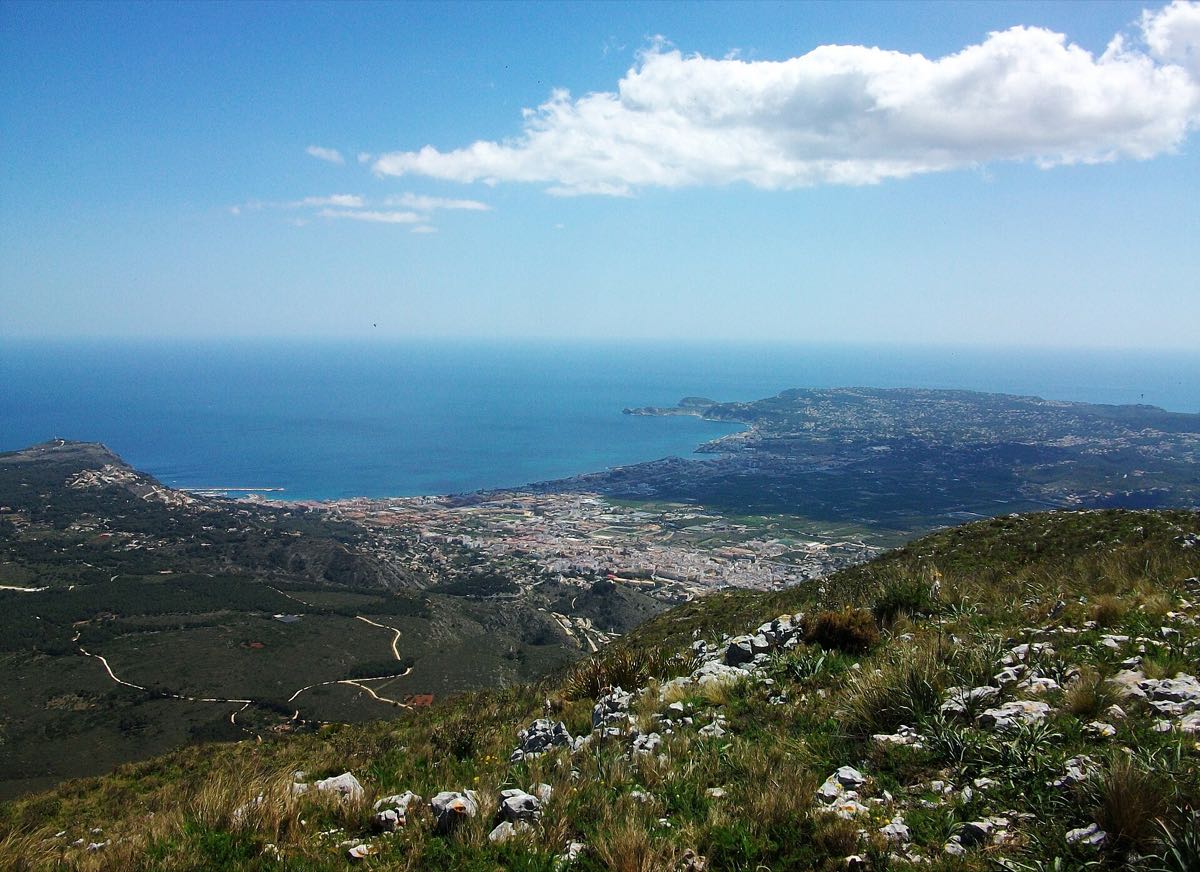
Jávea has drawn British buyers and retirees since long before Brexit made the paperwork more complicated, and that history shows: this is one of the Costa Blanca's largest and longest-established British communities, with residents who arrived in the 1980s sitting alongside families who moved out during the pandemic years. That history brings real advantages — English-speaking estate agents, doctors and accountants are easy to find. It is not a British enclave, though; Spanish, German, Dutch and French residents all live here too, and newcomers who make an effort with the language and the neighbours tend to settle in fastest.
The paperwork path since Brexit
Since the UK left the EU, British nationals no longer have the automatic right to live and work in Spain that EU citizens enjoy — you are now a 'third-country national', and that changes the route in. Anyone planning to stay beyond the visitor allowance generally needs a visa applied for from the UK before travelling: routes include the non-lucrative visa, work-permit routes tied to a Spanish employer, and the digital nomad visa for remote workers contracted outside Spain. Spain's investor 'golden visa' route has recently changed. Rules and income requirements shift, so treat this as orientation, not instruction, and take professional advice before committing to dates or a purchase.
The 90/180 rule, and what changes once you're resident
If you're not applying for residency — say, testing the water with a long holiday or a part-time move — you fall under the same Schengen visitor rule as any other non-EU traveller: 90 days in any rolling 180-day period, counted across the whole Schengen area, not just Spain. Overstaying is taken seriously and now leaves a digital record at the border. Once you hold Spanish residency, the 90/180 clock no longer applies to you in Spain, though it's replaced by tax-residency rules based on time spent in the country. Plenty of long-time part-time residents are still adjusting their habits to this post-Brexit reality.
Money and tax: the headlines
A UK-Spain double taxation agreement exists precisely so that income, pensions and property gains are not taxed twice over — but how it applies to you depends on where you're deemed tax-resident, what kind of income you have, and the timing of decisions you make. Sterling still needs converting to euros for daily life, and many newcomers set up a currency-transfer arrangement rather than relying on standard bank exchange rates for larger sums like a house deposit. Spanish tax residency generally follows from spending more than half the year in the country, and it brings different obligations to being a UK tax resident with a Spanish holiday home. None of this replaces a proper conversation with a cross-border accountant — get professional, current advice before you move.

Healthcare: the UK route into the Spanish system
Retirees drawing a UK State Pension may be entitled to healthcare cover in Spain through the S1 form, effectively letting the UK continue funding your healthcare access abroad — worth investigating with the NHS Overseas Healthcare Team before you move. Those applying for a visa below pension age typically need private health insurance as a condition of the application. Once formally resident and correctly registered — usually via Spanish social security contributions for workers and the self-employed — you and your family become entitled to a SIP card and the public system used by the whole town. Private cover remains popular even among residents with public access, mainly for shorter waits.
Schools and language
Families moving from the UK generally choose between Spanish state schools, where children are taught in Valencian and Spanish and integrate fastest but face the steepest initial language climb, and the handful of British and international schools in the wider area offering English-medium or International Baccalaureate education at private fees. Younger children tend to pick up Spanish quickly through state schooling; teenagers arriving mid-secondary often find an international school a gentler transition. Adults are not obliged to speak Spanish day to day given how many services run in English here — but those who invest in basic Spanish find doors open faster, from the town hall to the local bar.
Community life: where Brits connect
The British community here is genuinely active rather than just numerous — walking groups, choirs, quiz nights, charity shop volunteering and church congregations all give newcomers an easy way to meet people in the first few months, alongside sports clubs and an English-language local radio presence. None of this requires seeking out other Brits exclusively; many established arrivals mix freely across the German, Dutch and Spanish communities too, and the town's genuinely bilingual character means English is one voice among several rather than the only one.
- Walking and hiking groups that meet weekly along the coastal paths
- Choirs, quiz nights and amateur theatre at English-speaking social clubs
- Charity shop volunteering — a genuinely popular way to meet people fast
- Sports clubs covering bowls, golf, sailing and padel
What catches Brits off guard
The pace of Spanish bureaucracy is the most common shock — nothing happens without a pre-booked cita previa appointment, offices close for lunch for hours, and 'urgent' is relative. The daily rhythm takes adjusting to as well: shops shutting mid-afternoon, dinner starting later than most Brits are used to, and a slower August when the country downs tools. Housing surprises people too — Spanish kitchens are often smaller than UK equivalents, and air conditioning matters more than central heating. None of it is a problem once expected; it's the being caught out that stings.
Getting here from the UK: flight, ferry or drive
Most people fly — Alicante and Valencia airports both sit under two hours' drive from Jávea and are served by regular flights from a wide spread of UK regional airports, not just London. Driving down is a genuine option for anyone moving with a car full of belongings or pets, via the Eurotunnel or a Dover ferry crossing and a long day or two through France. A ferry direct from the UK to northern Spain (Portsmouth to Santander or Bilbao) cuts the driving distance substantially and turns the crossing into an overnight rest rather than hours of motorway.
Settling in: the practical first steps
The paperwork sequence is the same one every newcomer follows regardless of nationality — NIE, then an address to register on the padrón, then residency if you're staying, then the rest flows from there. Beyond the official steps, the fastest way to feel at home is simple: join one club, learn the market days, find a dentist and doctor before you need one in a hurry, and give the language a genuine go even if the town runs comfortably in English.
- Apply for your NIE — from a Spanish consulate in the UK, or via a lawyer with power of attorney
- Register on the padrón once you have a fixed address
- Sort a visa or confirm your residency route before your 90-day clock starts
- Open a Spanish bank account and arrange a currency-transfer service
- Register with a local doctor and consider private health cover
Szybkie odpowiedzi
Do I need a visa to move to Jávea from the UK now? In most cases, yes, if you plan to stay longer than the 90-day visitor allowance. British nationals lost automatic freedom of movement when the UK left the EU, so anyone relocating rather than visiting typically needs to apply for a visa — a non-lucrative visa, a work-linked permit or a digital nomad visa are the common routes — from a Spanish consulate before travelling. Requirements, including income levels, change periodically, so confirm current levels and take professional advice on the route that fits your situation.
How long can I stay in Jávea without becoming a Spanish resident? As a UK visitor, you can spend up to 90 days in any rolling 180-day period in the Schengen area, which includes Spain, without needing a visa or residency. Those days are shared across the whole Schengen zone, not reset by crossing into France or Portugal, so frequent part-time residents need to track their trips carefully. Anyone wanting more time each year needs to look at a visa or residency route rather than relying on repeated short stays.
Places in this guide

Tomás Ballestero
★ 5 (72 opinii · 2026-06-07)

Andrada Ocasión
★ 5 (71 opinii · 2026-06-07)

Seguros Ocaso
★ 5 (20 opinii · 2026-06-07)

PD ASSESSORS
★ 5 (13 opinii · 2026-06-07)
Brak strony
Allianz Seguros
★ 5 (9 opinii · 2026-06-07)
Vera-Cruanyes Asesores
★ 5 (6 opinii · 2026-06-07)
Browse all Usługi in the directory →
Run one of these businesses? Claim your listing free →