Winter in Jávea: the town locals get back
From October to March, Jávea sheds its holiday skin and becomes what it actually is — a working Spanish town with a very good climate. Quiet beaches, walkable trails, open-armed clubs and, for house-hunters, the most honest viewing season of the year.
The town takes a breath
Somewhere around the middle of October, Jávea exhales. The hire cars thin out, the beach clubs stack their loungers, and the town quietly reverts to the roughly thirty thousand people who actually live here. This is not a resort shutting down — Jávea is emphatically not a shuttered summer town — but it is a change of key. The old town's Thursday market goes back to being a local errand rather than a spectacle, parking reappears at the port, and conversations in the queue at the Mercat stretch out because nobody is in a hurry. If you have only ever seen Jávea in August, you have seen the town in fancy dress. Winter is the portrait.
What the weather actually does
Winter here is mild rather than warm, and it pays to be honest about the difference. Days are frequently sunny and pleasant enough for lunch outside in a sheltered corner; nights genuinely cool down, and older houses without proper heating will remind you of it. The Montgó blocks a good deal of the cold northerly weather, which is a large part of why the valley winters so gently. Expect strings of bright, dry days broken by occasional wet spells, and the odd blustery week when the sea turns theatrical.
The quiet Arenal, and the winter restaurant shuffle
The Arenal in January is one of the coast's quiet pleasures: the beach belongs to dog walkers, wet-suited paddleboarders and people reading actual books, the light is lower and better, and you can hear yourself think. A core of bars and restaurants trades all year for the resident crowd — but fair warning, many others take their annual breaks in November and again after Reyes in January, when owners finally take the holiday they spent all summer serving to everyone else. The port and old town hold up best; the Arenal thins the most. The upside: the places still open are cooking for neighbours, and winter menus lean into rice dishes, stews and the local catch.
Walking season on the Montgó
Summer largely closes the Montgó to sensible people — heat and fire risk see to that — so October to April is when the mountain earns its keep. The natural park's trails, from the gentler Les Planes routes to the summit push, are at their best on a clear December morning when you can see the Ibiza horizon from the top. The coastal walks — Cap Prim, the Granadella pine forest, the miradors route — are winter walks too, built for a climate where 16 degrees and sunshine is a normal Tuesday. Carry water anyway; the sun does not read the calendar.
The winter social scene
Winter is peak season for Jávea's other economy: the clubs. The international community runs on them — walking groups, padel and golf societies, bridge, choirs, book clubs, language exchanges and a small army of charity shops and lunches. For new arrivals this is the season to plug in, because everyone has time and the calendar is dense. The fiestas do not stop either: Sant Antoni's blessing of the animals in January and the build-up to Easter keep the Valencian year ticking underneath the expat one.
Summer is when people visit Jávea. Winter is when they join it.
Almond blossom and the short spring
From late January into February the Marina Alta's almond trees blossom, and the valleys behind Jávea — and the roads towards Benitatxell, Gata and the Jalón valley — turn briefly pink and white. It is the region's understated answer to Japan's cherry season, and it arrives precisely when northern Europe is at its greyest, which is rather the point. Pair a blossom drive with a long lunch inland and you have the strongest single argument for owning a winter here.
- Late January: first blossom in sheltered spots
- Early–mid February: peak colour across the valleys
- Late February: petals down, and the year quietly begins
Why winter is the smart viewing season
If you are house-hunting, winter is when Jávea tells the truth. You see which streets get afternoon sun in December — orientation matters enormously here and is invisible in July. You hear the neighbourhood as it actually is, discover which urbanisations empty out, learn whether that charming north-facing villa is a cold house in disguise, and test the drive to the shops without traffic flattering the timings. Agents have more time, owners who are selling in winter tend to mean it, and you experience the town you would actually live in — not the one on holiday.
Szybkie odpowiedzi
Is Jávea dead in winter? No — but it is quiet, and whether that reads as 'dead' or 'blissful' depends entirely on you. The town functions all year: shops, markets, schools, clubs and a solid core of restaurants keep going. What disappears is the resort layer — beach bars, crowds, late-night noise. If your idea of Spain requires a full Arenal, visit in June. If it requires a table at lunch and a parking space, winter is the good bit.
Do I need heating in a Jávea house? Yes, honestly. Winter days are mild but nights drop into single figures, and Spanish coastal houses were traditionally built to shed heat, not keep it. Anything you buy or rent for year-round living wants proper heating — air-conditioning units that reverse to heat, a fireplace or pellet stove, or central heating in newer builds — plus decent glazing. The good news: the season needing it is short, and sunny days do much of the work for free.
Places in this guide

Tescafes
★ 5 (140 opinii · 2026-06-07)
Brak strony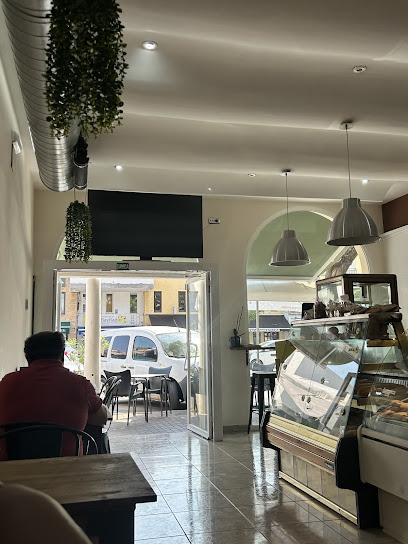
Karolida
★ 5 (80 opinii · 2026-06-07)

Carú ArroceríaCarú Arrocería | Arroces y Paellas en el Puerto de Jávea
★ 5 (47 opinii · 2026-06-07)
Brak stronyCatering4u
★ 5 (27 opinii · 2026-06-07)
SAÓ Mediterráneo
★ 5 (26 opinii · 2026-06-07)
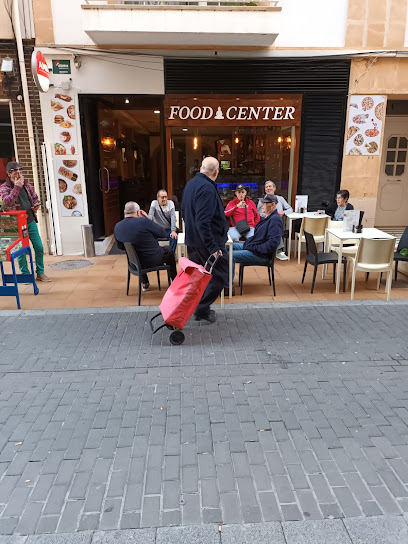
Restaurante Food Center
★ 5 (22 opinii · 2026-06-07)
Brak strony