The Fogueres Story — how Jávea burns midsummer
Every June, Jávea spends the best part of two weeks building things it fully intends to burn — painted figures, street bonfires, half its own sleep schedule — and calls the result the start of summer. This is the Fogueres de Sant Joan, night by night: what burns, why it burns, and exactly where to stand between 11 and 24 June 2026.
What this is
A town that sets fire to midsummer
Every coast in Europe marks the longest days somehow. The Valencian coast does it with fire, and Jávea does it more wholeheartedly than most. The Fogueres de Sant Joan is the town's midsummer fiesta — the feast of Saint John, 24 June, stretched into nearly two weeks of parades, street dinners, bull-running, mascletàs and, at the end of it all, bonfires. It is not a show staged for visitors; it is the thing the town does because it always has, and if you happen to be here, you are simply absorbed into it. In 2026 the official programme runs from 11 to 24 June — it actually opened a day early, on 10 June, with the blood-donation day, which tells you a good deal about what kind of fiesta this is — and the pregón, the opening address that lets the town off the leash, falls on 14 June. From there, the fuse is lit.
Built to burn
The ninots — art with a deadline
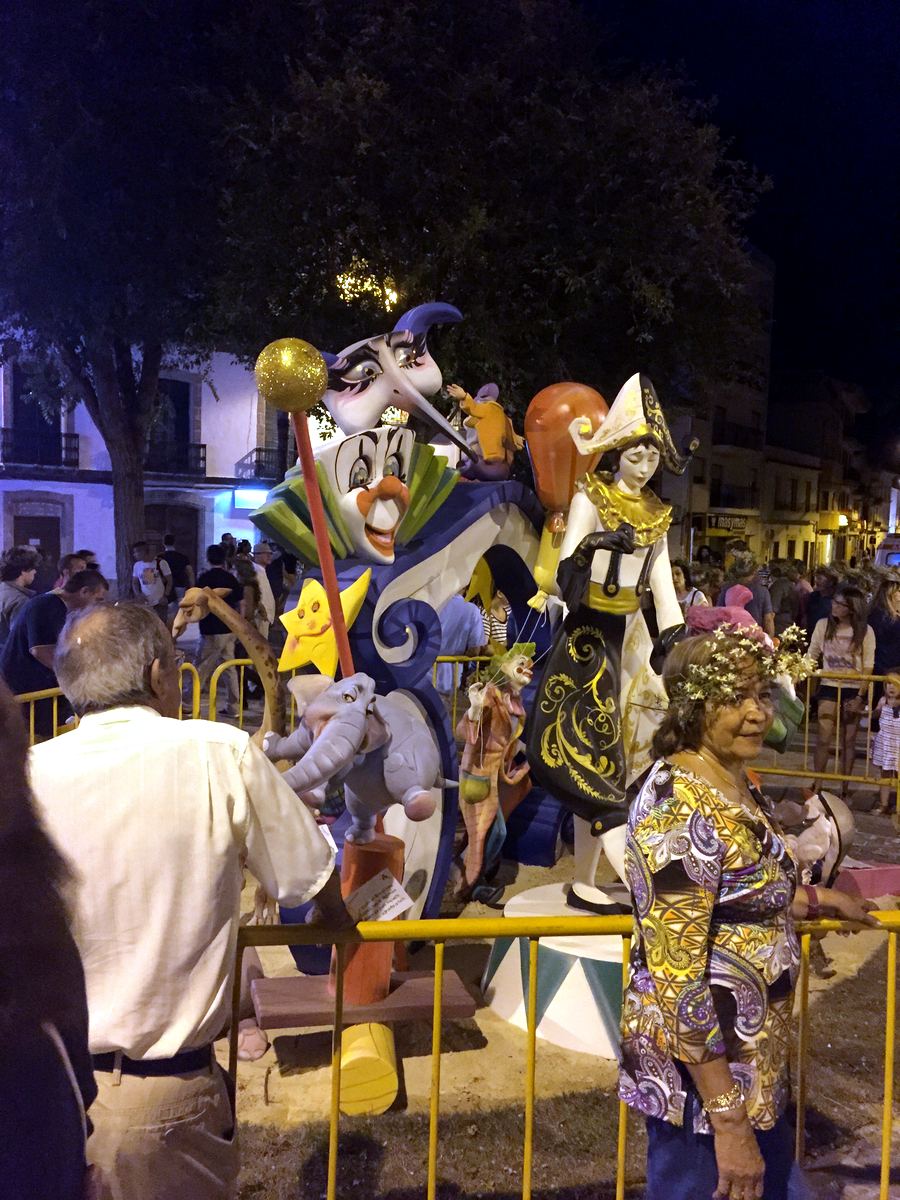
Weeks before anything burns, the ninots appear: painted figures, part sculpture and part cartoon, built by the fiesta's own commission and volunteers and destined, from the first brushstroke, for the flames. It is the same tradition that fills Alicante's Fogueres and Valencia's Fallas with towering satire — the ninot exists to poke affectionate fun at the year just gone, its local characters and small scandals, and then to be burned in front of everyone, grudges and all. Jávea's are more modest in scale than the capital's, and better for it: you can walk right up, catch the brushwork, and understand every joke, because the town being teased is standing around you. There is a children's foguera too, built to the same doomed timetable. See them in daylight while you can. By the time you next look, they will be ash — which is, of course, the point.
The ritual
Bonfires, waves and moscatel
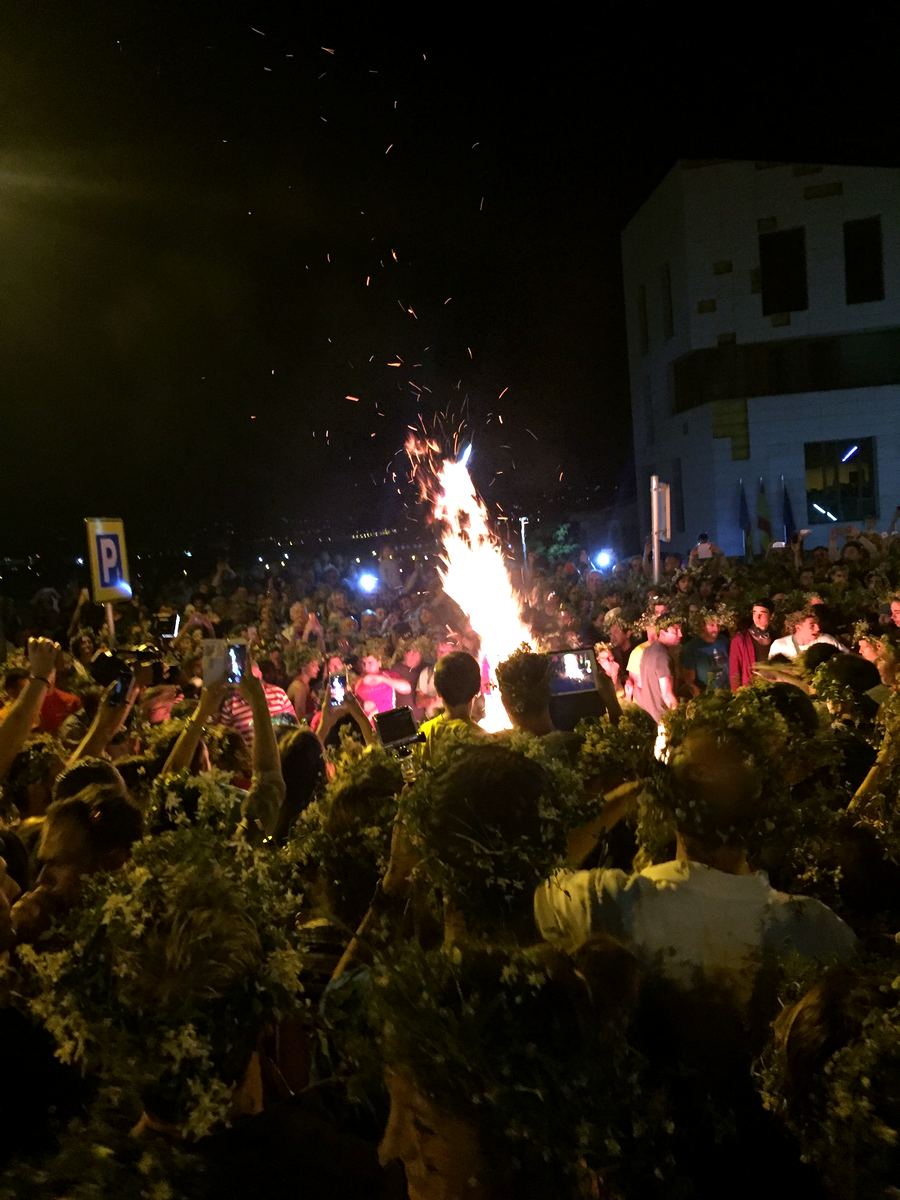
The word fogueres means bonfires, and the night of 23–24 June is what the whole programme has been building towards. The fires are lit, and half the town ends up on the beach at midnight, jumping waves for luck — a Sant Joan tradition the whole Valencian coast shares, and one Jávea observes with particular commitment. The older custom of leaping the embers survives too, usually attempted with rather more moscatel-fuelled confidence than technique. Around the fires, the fiesta does what Valencian fiestas do: long trestle-table street dinners, brass bands that appear never to sleep, mascletàs you feel in your chest rather than watch, and firecrackers observing no bedtime whatsoever. If you are within earshot of the old town that night — and acoustically speaking, most of Jávea is — there is no point planning anything else. Surrender is not just the best option; it is the only one on the table.
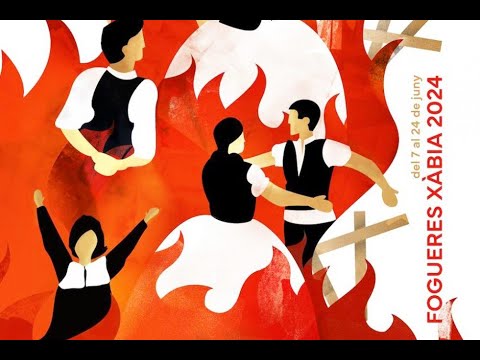 Nit dels Focs 2024 — Fogueres de Sant Joan, Xàbia (Arxiu Municipal de Xàbia)
The big night
Nit dels Focs — the night of fires
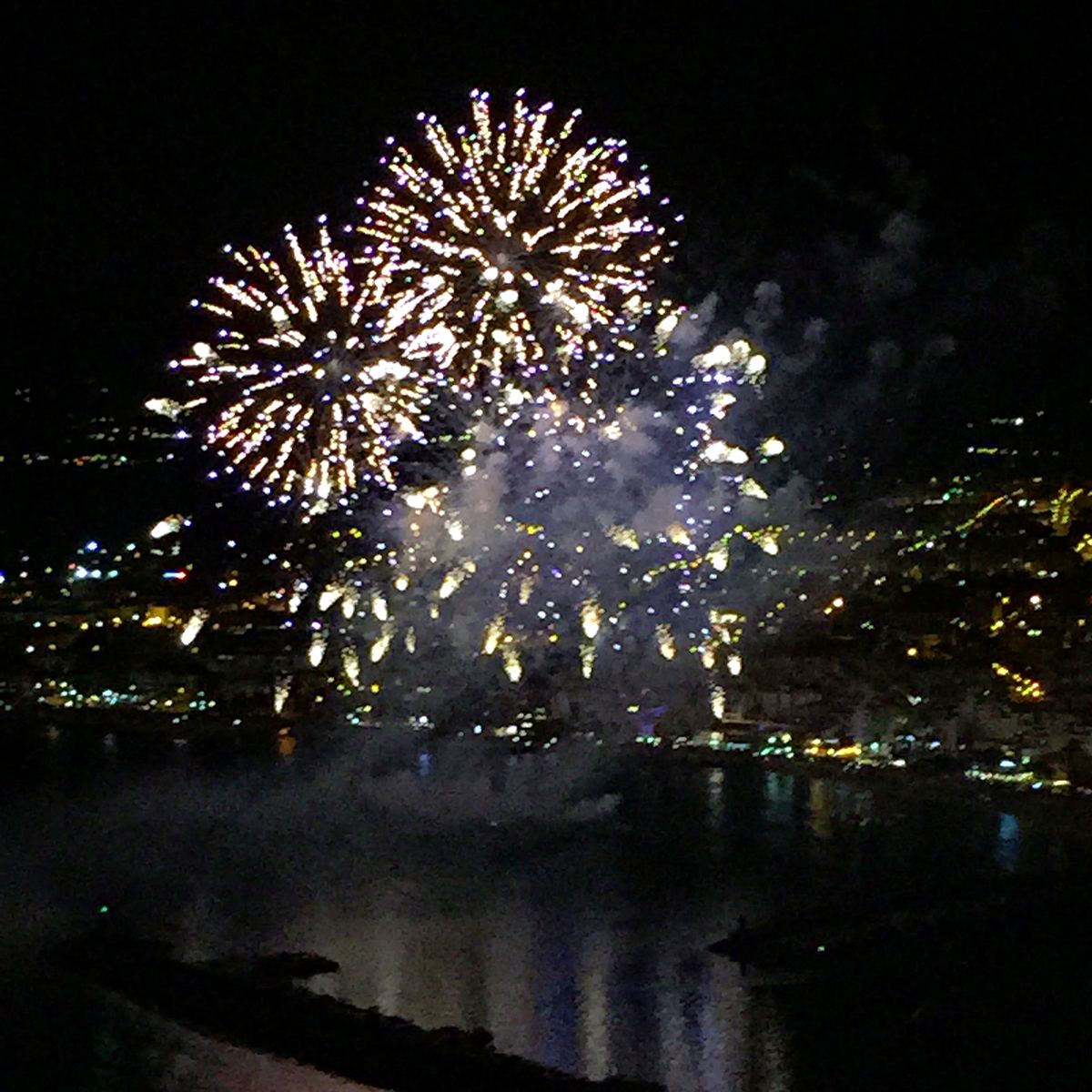
The official programme gives the night of 23 June a name of its own: the Nit dels Focs — the night of fires. This is the crescendo. The fires burn through the heart of the old town, the figures that took months to make are given to the flames, and at midnight comes the Cremà: the burning of the central and children's bonfires, with a fireworks castle to close the fiesta. The municipal archive filmed the 2024 edition, and the footage is worth two minutes of your scroll, because no still photograph quite carries it — stills give you the shape of the night, but not the heat, the noise, or the strange calm of a crowd watching something it built disappear. Watch it, then imagine the same scene with you in it, one street back from the heat, on 23 June 2026. Everything before this night is rehearsal; everything after is ash and breakfast.
An honest word
About jumping through fire
Time for the honest chapter. Yes, people leap the embers — and some the flames. It is an old Sant Joan tradition, it is genuinely stirring to watch, and it is done each year mostly by locals who have been judging fires since childhood, in one practised movement that looks far easier than it is. Our plain advice: watch rather than join. Fire is the one part of this fiesta that does not grade on enthusiasm. If you are near the flames, stand where the Policía Local and the fiesta stewards put you, and stay there — the lines exist because embers travel. Wear cotton rather than synthetics, which melt rather than singe. Closed shoes, always: streets and sand hold hot embers long after the flames drop. Keep small children well back, and consider ear defenders — the noise is fierce even by Spanish standards. And moscatel plus midnight plus fire is an equation with no good solutions. Nobody local will think less of you for keeping your eyebrows.
24 June
The morning after
On the morning of 24 June — the feast of Sant Joan proper — Jávea wakes to ash. Pale circles on the streets where the bonfires stood, the smell of woodsmoke drifting off the beach, the cleanup crews already at work, and a town moving at roughly half speed. It is oddly lovely: the quietest the old town will feel all summer, with the evidence of the night still warm underfoot. There is a local saying we have quoted before and will keep quoting, because it earns it: summer doesn't arrive in Jávea; it is set alight on the 24th of June. Older residents mean it almost literally — ask around and you will be told the summer only truly starts once Sant Joan has burned. So the morning after is not an ending. It is the town's real new year's day: the ash swept, the slate cleared, and high summer given official permission to begin.
The point of it
Why a town burns what it loves
Why would a town spend months building things in order to destroy them? Ask around the fires and you will get shrugs first, then answers. Because midsummer has been marked with fire on this coast for longer than anyone's records. Because burning the ninots — the year's jokes, grievances and small absurdities — is a way of letting the year go. Because the fiesta is run by the town for the town: the parades, the street dinners, the children's foguera, all of it organised by neighbours rather than staged for outsiders, which is exactly why outsiders find it so affecting. Jávea's calendar runs on gunpowder from January to September, but the Fogueres are its emotional peak — the fixed point the whole year turns around. Watch the faces around the Cremà at midnight: not sad, not wild, just certain. This is what belonging looks like when it is lit from below. Stand close enough, and it includes you.
Plan it
How to see the Fogueres in 2026
The 2026 dates are confirmed. The programme runs from 11 to 24 June, having opened on 10 June with the blood-donation day. The pregón — the official opening address — is on 14 June; the Nit dels Focs falls on the night of 23 June, with the Cremà of the central and children's bonfires at midnight into the 24th and the fireworks castle to close. The old town is the heart of it all, with the beach taking over at midnight for the wave-jumping. Two honest practicalities. First, individual events shift and the fine print matters, so check the Ajuntament's official programme — xabia.org or the tourist office — rather than trusting any secondhand listing, including, in future years, this one. Second, sleep: light sleepers should book outside the old town for the second half of June, because firecrackers observe no bedtime. The kit list has not changed in decades: earplugs, comfortable shoes, no dinner plans. The town will make your plans for you.
💬 Share this story on WhatsApp
Sources
- Official 2026 fiesta programme — 'Programa de fiestas de les Fogueres de Sant Joan, Xàbia 2026', Xàbia al Día
- Ajuntament de Xàbia — Calendario anual de fiestas (11–24 June 2026)
- 'Les Fogueres de Xàbia 2026 se compactan en 12 días' — javea.com
- Jávea.guide fiesta calendar and fiestas guide (dates verified 2026-07-13)
- Video: Nit dels Focs 2024 — Arxiu Municipal de Xàbia (YouTube, embedded with permission context of the fiestas guide)
Facts checked Jul 2026. Every dated claim above traces to these — where a programme isn't published yet we say so rather than guess.
Read the full guide: Jávea's fiestas & festivals — a year of gunpowder →