Jávea on a Budget: A Practical Guide
Jávea's best assets — beaches, coves, old-town streets and coastal walks — are free. This guide covers the menú del día, market self-catering, bus versus taxi, and where a budget trip's costs typically creep in.

The good news about a budget trip
Jávea is a genuinely realistic budget destination, not just one that tolerates budget travellers. The best things about the town — its beaches, its coves, its old-town streets, its coastal walks — are free, and the paid extras (sunbeds, boat trips, restaurant markups) are optional rather than the price of entry. The main cost variable is timing: prices for accommodation and, to a lesser extent, restaurants climb through summer, so the same budget stretches noticeably further in shoulder-season months.
Free beaches, paid extras
Every beach and cove in Jávea is free to walk onto, swim from and spend the day at — there's no entry fee anywhere on this coastline. What costs money is the layer on top: sunbeds and parasols at the busier beaches, beachside restaurant service versus a packed lunch, parking at the more popular coves in peak season. Bring your own towel, a cool bag and a book, and a full beach day costs nothing beyond however you got there.
Eating well without spending much
The single best budget move for lunch is the menú del día — a fixed-price set menu, usually two or three courses plus a drink, offered by most local restaurants on weekdays. It's aimed at Spanish workers on a lunch break, not tourists, which is exactly why it's good value and honest food. Dinner is trickier to keep cheap in the same way, since the set-menu tradition is mostly a lunchtime one, but shared tapas, or a market-stall picnic assembled from the Mercat, both keep evening costs down without feeling like a compromise.
The Thursday market and the Mercat
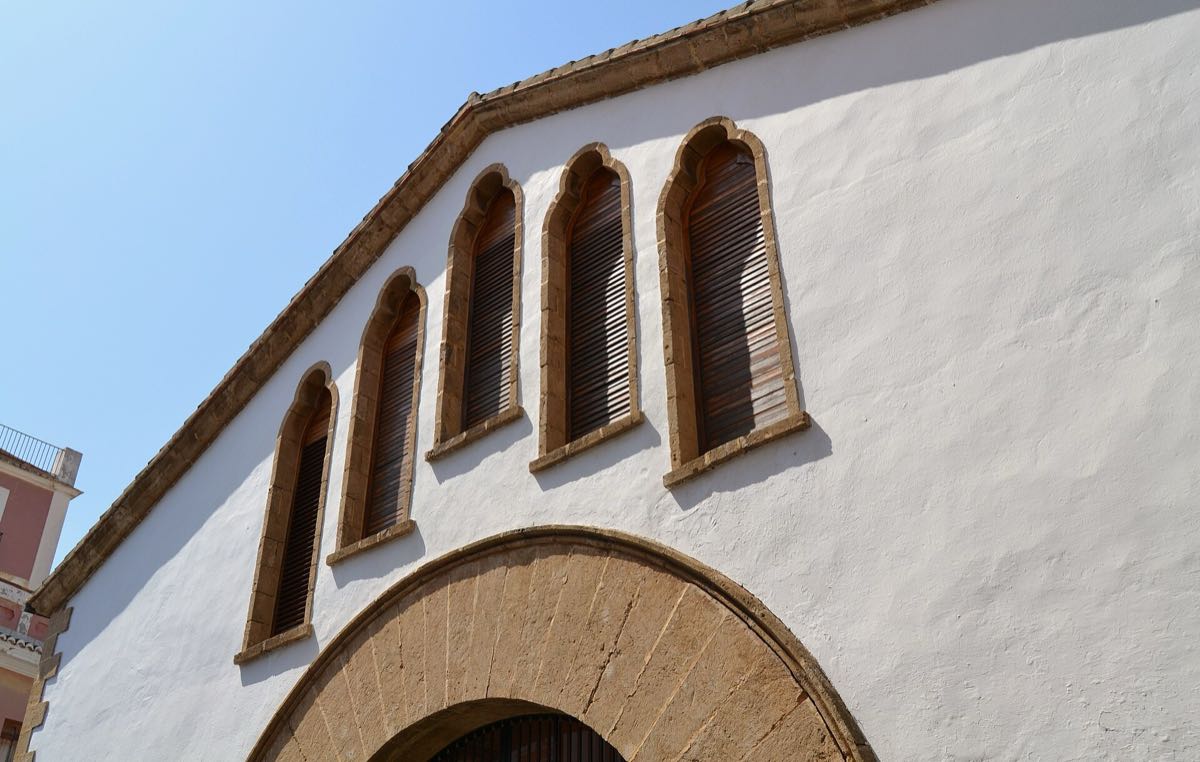
Jávea's old-town market runs weekly and is a genuinely useful budget stop, not just a photo opportunity — fruit, veg, cheese, cured meats and household basics at prices that undercut supermarket convenience shopping. The covered Mercat operates more days and functions the same way on a smaller scale. Both are worth building a self-catering day around if your accommodation has even a basic kitchen; a market picnic on a free beach is one of the cheapest genuinely good meals available anywhere on this coast.
Getting around without a hire car
A hire car is convenient in Jávea but not compulsory, and skipping one is one of the bigger line-item savings on a budget trip. Local buses connect the old town, port and Arenal cheaply, if not always frequently outside peak season. Walking covers a surprising amount of ground too — the old town to the port is a manageable, mostly downhill walk, and several beaches sit within reach of central accommodation on foot.
- Local buses link the three town centres for a fraction of a taxi fare
- Walking between the old town and port takes roughly half an hour, mostly downhill
- A bike, if you're staying long enough to justify hiring one, opens up more beaches on your own schedule
- Taxis are worth keeping for late-evening returns rather than everyday transport
Free things worth doing on purpose
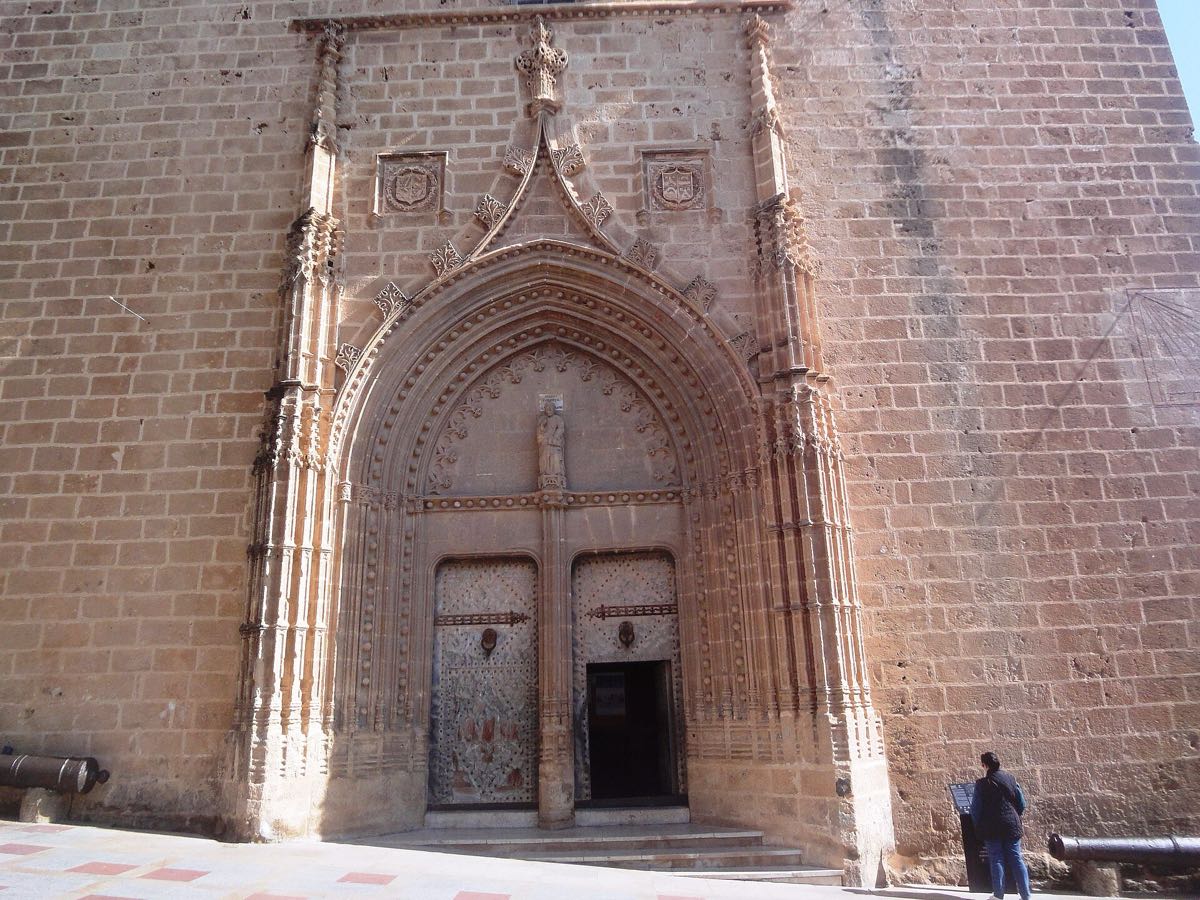
Some of Jávea's best experiences don't have a price tag attached at all. The walk up to the Cap de Sant Antoni lighthouse delivers one of the best coastal views on this stretch of coast for nothing but the effort. The old town's streets, the fortress-church of San Bartolomé from the outside, the harbour at the port, and most of the Montgó's lower trails are all free to explore. Treat these as the backbone of a budget itinerary rather than an afterthought around paid activities.
Where costs creep in
The places a budget trip typically leaks money are boat trips and charters, sunbed rental at the busiest beaches in August, restaurant markups on the most obviously touristic terraces, and paid parking at the popular coves during peak hours. None of these are unreasonable prices for what they are, but they're avoidable or reducible with a bit of planning — booking a boat trip outside the busiest weeks, bringing your own beach kit, or eating where locals eat rather than where the view is loudest.
Timing your trip for value
Shoulder-season months — spring and autumn in particular — stretch a budget considerably further than peak summer, with lower accommodation prices and less pressure on the free stuff too, since coves and viewpoints are far less crowded. The trade-off is a cooler sea and a shorter window of guaranteed sunshine, which is a fair exchange for most budget-conscious travellers rather than a real downside.
Who a budget trip to Jávea suits
Jávea rewards budget travellers who are happy to prioritise the coastline and the old town over restaurants and paid activities — which, given how good the free stuff is here, isn't much of a sacrifice. It suits self-caterers, walkers and anyone travelling outside the peak summer weeks far better than it suits a trip built around eating out every night in August.
Snabba svar
Is Jávea an expensive place to visit? It doesn't have to be. Accommodation and dining can run up a bill quickly in peak summer, but the core experience — beaches, coves, old-town streets, coastal walks — is free year-round, and the menú del día keeps lunch genuinely affordable most of the year. Visiting outside July and August is the single biggest lever for keeping costs down.
What's the cheapest way to get around Jávea? Walking and local buses. The old town, port and Arenal are all connected by bus routes that cost a fraction of a taxi fare, and several are within comfortable walking distance of each other for anyone not in a hurry. A hire car adds convenience and reach, particularly for the coves, but it's a genuine expense rather than a necessity for a town-based budget trip.
Places in this guide

Kanaloa Aventura
★ 5 (317 recensioner · 2026-06-07)

TRX Live Xàbia
★ 5 (100 recensioner · 2026-06-07)
Ingen webbplats
Espacio van Eijle
★ 5 (81 recensioner · 2026-06-07)

Freediving Jávea
★ 5 (63 recensioner · 2026-06-07)

Feel Better – Your Personal Gym
★ 5 (57 recensioner · 2026-06-07)

Dance & Fitness Studio
★ 5 (49 recensioner · 2026-06-07)
Browse all Att göra in the directory →
Run one of these businesses? Claim your listing free →