The Soler Blasco Museum — Jávea's history under one roof
A seventeenth-century old-town mansion holds Jávea's own museum: Iberian gold, Roman finds from the bay, and the fishing gear and farm tools of a more recent, ordinary past — best paired with a walk through the streets it explains.
A small museum with a genuinely deep story
For a town this size, Jávea's municipal museum earns its visit. The Museu Arqueològic i Etnogràfic Soler Blasco walks you from the Montgó's prehistoric finds through Iberian and Roman Xàbia to the ethnographic recent past of fishing gear and farm tools — the whole arc of the town's history, under one roof, in the old town it explains.
The building itself
The museum occupies the Palau d'Antoni Banyuls, a seventeenth-century mansion in the old town — which means the building is itself a small piece of the history on display before you've read a single exhibit label. Old-town mansions of this era are part of what gives Jávea's historic centre its character, and this is one of the better-preserved examples, repurposed rather than left empty.
What the collection covers
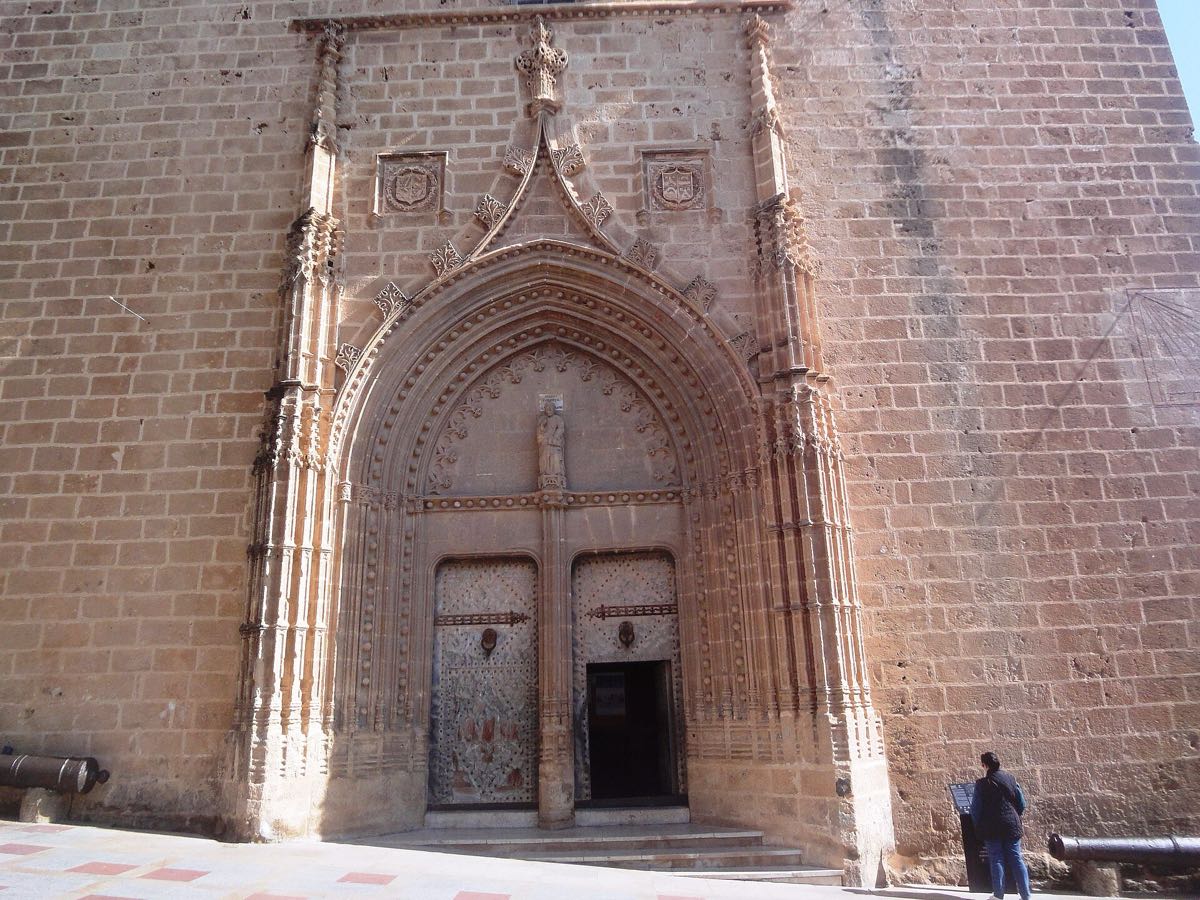
The museum's span is genuinely wide for its size: prehistoric finds from the Montgó's caves and terraces, material from Iberian and Roman-era Xàbia, and an ethnographic collection covering the more recent past of fishing gear and farm tools — the everyday equipment of a town that lived by the sea and the land in roughly equal measure. It's a useful companion to a walk round the old town, filling in the context behind the streets and the fortress-church you've just walked past.
The Iberian gold story
The museum's star turn is Iberian gold: Jávea's own famous treasure finds, unearthed near the town in the early twentieth century and now among the more celebrated archaeological discoveries on this stretch of coast. The originals live in national collections, but the museum displays reproductions in their place — genuinely worth asking a member of staff about, since the full story behind the find is more interesting than a label alone tends to convey.
Why it's worth the visit
The old town's streets, its fortress-church, its tosca-stone doorways all make more sense once you've seen what was underneath and around them — this is the museum's real value. It turns a pleasant wander through pretty streets into an understanding of why the streets look the way they do, from Iberian settlement through Roman trade to the raisin-boom wealth that built the old town's grander houses.
Do the museum first, then the streets
A sensible order for an old-town morning:
- Start at the museum — a short visit before you explore gives useful context for everything you'll walk past afterwards
- Walk to San Bartolomé church — a few minutes away, and the town's other major historical landmark
- Wander Carrer Major slowly — the old town's main street shows off the same tosca-stone detailing the museum explains
- Ask about the Iberian gold — museum staff can usually tell you more about the find than the display labels alone
Practical details worth knowing
This guide deliberately doesn't quote specific opening hours, admission prices or exhibit lists here, because they change and this site would rather send you to a reliable current source than risk a stale figure. Entry has traditionally been free or nominal, but check current hours and admission directly with the town hall or tourist office before you plan a visit around it.
Good for a rainy day
If the weather turns during a Jávea stay, the museum is one of the better indoor options going: compact enough for an hour or so, genuinely interesting rather than a box-ticking exercise, and a short walk from old-town cafés if you want to follow it with lunch under cover.
Suitable for children?
Reasonably — the ethnographic collection of everyday tools and fishing gear tends to land better with children than a room of unlabelled pottery shards, and the museum's small scale means it doesn't demand the stamina a big-city museum would. It won't hold very young children's attention for long, but it works well as one stop on a longer old-town outing rather than the whole day's plan.
The museum at a glance
The reliable coordinates:
Snabba svar
What are the museum's opening hours and admission price? This guide won't quote a specific figure here, deliberately — small municipal museum hours and admission terms change, and a stale number is worse than no number. Check directly with the Ajuntament de Xàbia or the tourist office for current opening times before you visit; entry has traditionally been free or nominal.
Is the museum worth visiting if I only have one day in Jávea? If your one day is focused on the old town, yes — it pairs naturally with San Bartolomé church and a wander down Carrer Major, and a focused visit takes under an hour. If your one day is a beach day, it's an easy one to skip; nothing about it demands a specific single-day itinerary.
Places in this guide

Siesta Advisor
★ 5 (6049 recensioner · 2026-06-07)

Kanaloa Aventura
★ 5 (317 recensioner · 2026-06-07)

TRX Live Xàbia
★ 5 (100 recensioner · 2026-06-07)
Ingen webbplats
Espacio van Eijle
★ 5 (81 recensioner · 2026-06-07)

Freediving Jávea
★ 5 (63 recensioner · 2026-06-07)

Feel Better – Your Personal Gym
★ 5 (57 recensioner · 2026-06-07)
Browse all Att göra in the directory →
Run one of these businesses? Claim your listing free →