Seafood in Jávea — the working port on your plate
Jávea still lands a real catch, sells it through the port's lonja and eats it within hours — an increasingly rare arrangement on this coast. Here is what is genuinely local, how the auction rhythm works, how to buy fish like a resident and which classic dishes reward the plunge.
The working port advantage
Plenty of Mediterranean resorts talk about fresh fish; Jávea can point at the boats. The port of Xàbia still operates a working fleet, and the day's catch is sold through the lonja — the fish exchange — in an afternoon auction that has set the town's culinary clock for generations. This is the whole advantage in one sentence: the distance from deck to dinner plate here is measured in metres and hours, not lorries and days. It shapes everything downstream — what the restaurants cook, what the fishmongers display, what the grandmothers demand — and it means the correct question in Jávea is never 'is the fish fresh?' but 'what came in today?' It also keeps the town honest: menus here are audited nightly by people who know exactly what the boats brought in, because half of them were standing on the quay when it happened.
The lonja and the afternoon rhythm
The rhythm is old and pleasingly logical. Boats go out in the small hours or at dawn, work the grounds off the cape, and return through the afternoon; the catch is sorted, boxed and auctioned at the lonja as it lands, with buyers — restaurateurs, fishmongers, the odd determined local — bidding as the boxes come through. By evening the fish is in the town's kitchens. For the visitor the practical consequences are two: the port end of town smells faintly and honestly of its trade in the late afternoon, and the fish you eat at dinner very likely came off a boat you could have watched arrive. It is also why the serious rice is a lunchtime affair: the stock is built from yesterday's auction, cooked by people already thinking about today's.
You don't choose the menu. The sea chose it around lunchtime.
the port kitchen's operating principle
What is genuinely local
Not everything on ice around the bay swam nearby, so it pays to know the home team. These are the names that mean the boats, not the wholesaler:
- Gamba roja — the scarlet red prawn, the coast's aristocrat, at its best barely cooked
- Sepia — cuttlefish, the everyday hero: grilled with allioli or dirty ('bruta') with its ink
- Pulpo — octopus, including the port's dried pulpo seco tradition
- Rock fish — the gnarled, unphotogenic species that make the great stocks and stews
- Bonito and other seasonal pelagics — passing through with the calendar
- Bay squid and small fish for frying — the fryer's daily bread
Pulpo seco — octopus on the washing line
Jávea's most distinctive seafood habit is also its most photogenic: pulpo seco, octopus split and hung to dry in the sun and salt air around the port, as it has been for generations. Drying concentrates the flavour and firms the flesh, and the result — cut up and finished over coals — is chewy, intensely savoury and utterly unlike the boiled octopus of elsewhere in Spain. It began, like most great preservation techniques, as thrift: a way to hold the catch past the day it landed. It survives because it tastes tremendous. Port restaurants serve it as a tapa; treat it as compulsory coursework.
The seasons of the catch
The Mediterranean keeps a calendar, and menus that respect it will wobble week to week — a good sign, not poor planning. Learn the broad rhythm and you can order with the tide rather than against it: prized prawns and the year's finest sepia have their moments, pelagics like bonito pass through in warm months, and winter's rougher seas favour the stews built on rock fish. If a kitchen tells you something is finished for the season, thank them — you have found an honest one.
Buying fish like a local at the Mercat
You do not need a restaurant to enjoy the port's advantage: the fishmongers at the Mercat Municipal and around the port sell the same catch to anyone with a shopping bag. The etiquette is simple and worth having. Go in the morning; the best boxes go early. Ask what is local and what is not — they will tell you plainly, and respect the question. Let them advise: say how you plan to cook and they will steer you to the right fish, then gut, scale and fillet it free of charge while conducting three other conversations. Whole fish is normal; timidity about heads and bones is not required but will be gently accommodated.
How the restaurants source — and how to read them
Jávea's better kitchens are effectively an extension of the lonja, and they signal it in readable ways. The chalkboard of today's fish, priced by weight, is the classic tell; so is a waiter who recites what came in rather than handing you a laminated card. Fish priced por kilo means you choose the piece and pay by weight — normal, transparent and worth confirming before it hits the grill. A short fish menu is usually a fresher one. And a kitchen that admits it has run out of something by nine in the evening is not failing; it is telling you the truth about where its fish comes from. None of this requires insider knowledge — only a willingness to ask, and a mild scepticism toward any menu that promises everything, every day, laminated in four languages.
The classics — cruet, arroz a banda, suquet
Three dishes carry the tradition. Cruet de peix is the fishermen's stew: the day's fish simmered with potatoes, garlic and paprika — humble machinery, profound results. Arroz a banda is the rice cooked in intense fish stock with the fish served apart, born on the boats and now the coast's signature. Suquet de peix is the richer cousin — fish, potatoes and a picada of almonds and garlic in a sauce that demands bread and silence. All three began as ways to feed a crew from the unsellable end of the catch, which is the recurring joke of this coast: the fishermen kept the best dishes for themselves and sold the mere fish.
The grill, the fryer and the virtue of restraint
Beyond the stews, local seafood cooking is a study in restraint. A la plancha — on the flat grill with oil, garlic and parsley — and a la brasa — over coals — account for most of the port's output, on the sound theory that fish this fresh needs witnesses, not interventions. The fryer supplies the joys of calamares, boquerones and whole small fish eaten like crisps. Allioli attends everything. If you have only ever eaten fish under sauces, a whole sea bass grilled within sight of the boat that caught it is a quiet recalibration of what the word 'fresh' has meant in your life so far. Order lemon, bread and a tomato salad alongside and you have the coast's default dinner — unimprovable, and available at every level of ambition and budget.
A short field guide to ordering
Pulling it together: ask what is local and what the boats brought in, order the day's fish a la brasa or the sepia with allioli, share a starter of gamba roja if the occasion justifies it, commit to a rice or a cruet for the table at lunch, and finish with the region's moscatel. Confirm by-weight prices before cooking — normal practice, never rude — and book ahead for Sunday lunch, when half the comarca has the same excellent idea. Do this once and you will understand why locals regard the port not as a restaurant district but as a larder with tables. Lunch is the local hour for the big fish dishes; evenings favour the grill, the fryer and the tapas end of the repertoire.
Kurze Antworten
Can visitors watch the fish auction in Jávea? The lonja is a working commercial exchange rather than a visitor attraction, and access to the auction floor is generally for licensed buyers. But the spectacle around it is free: boats returning through the afternoon, crates coming ashore, gulls holding their own noisy auction overhead. Watch from the port, then buy the same catch minutes later from the fishmongers nearby — a better souvenir than any viewing gallery.
What fish should I try in Jávea? Start with the local canon: gamba roja if the budget allows, sepia a la plancha with allioli, pulpo seco from the port's drying tradition, and whatever whole fish the boats landed that day, grilled. For the full experience, order the fishermen's dishes — cruet de peix or a proper arroz a banda — at lunchtime. When in doubt, ask what is 'de la lonja' and follow the answer.
Is the fish in Jávea expensive? It spans the full range. Frying fish, sepia and mackerel-class species are honest everyday eating; the day's whole fish, priced by weight, sits in the middle; and gamba roja is a genuine luxury commanding luxury prices, as it does everywhere it is landed. The comfort is transparency — by-weight pricing is quoted before cooking — and the value is in freshness: you are paying for hours, not air miles.
Places in this guide

Tescafes
★ 5 (140 Bewertungen · 2026-06-07)
Keine Website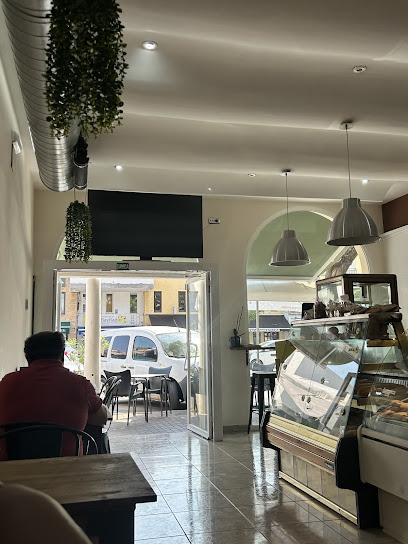
Karolida
★ 5 (80 Bewertungen · 2026-06-07)

Carú ArroceríaCarú Arrocería | Arroces y Paellas en el Puerto de Jávea
★ 5 (47 Bewertungen · 2026-06-07)
Keine WebsiteCatering4u
★ 5 (27 Bewertungen · 2026-06-07)
SAÓ Mediterráneo
★ 5 (26 Bewertungen · 2026-06-07)
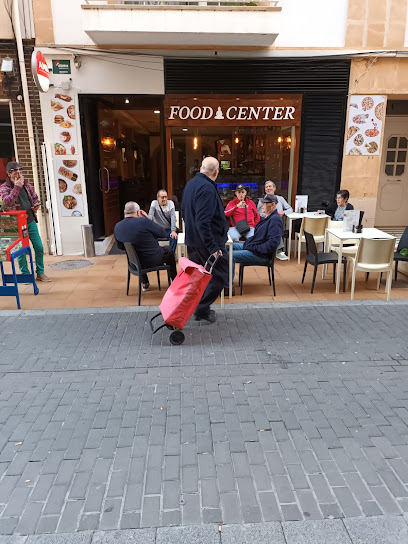
Restaurante Food Center
★ 5 (22 Bewertungen · 2026-06-07)
Keine Website