Moving to Jávea from Belgium: a practical guide
Belgium has been sending residents to this coast for generations, and the reasons remain straightforward: an easy EU paperwork trail, a drivable route if you want one, and a town that has hosted Belgian families for long enough to feel unremarkable. Here is what the move actually involves, honestly told.
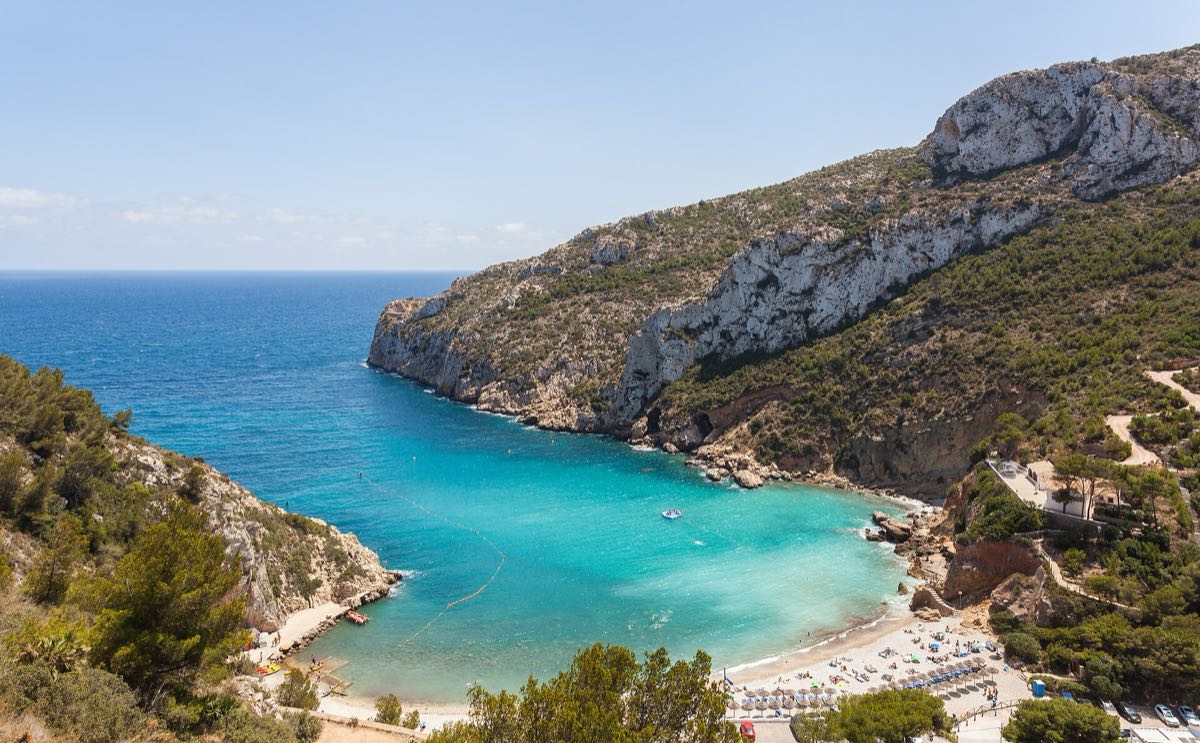
A well-worn route, not a new one
Belgians have been buying and retiring to this stretch of the Costa Blanca since long before it had a name in English-language property brochures. That history matters practically: the paperwork trail is well understood, notaries and gestores here are used to Belgian documents, and you will not be the first Flemish- or French-speaking household the town hall has processed. What you are choosing is not an undiscovered destination but a proven one, with all the convenience — and the occasional over-familiarity — that comes with that.
The drive-down route, honestly assessed
Driving from Belgium to Jávea is a genuine option, particularly if you are relocating with a car, pets or a house full of belongings you would rather not ship. It is not, however, a casual trip: it is roughly 1,500 km, comfortably a two-day drive with an overnight stop in France, typically routed down through Paris or Bordeaux and across the border near Perpignan or Le Perthus before the final run down the coast. Tolls in France add a meaningful cost, and August traffic on the French autoroutes is worth avoiding entirely if the dates allow it.
The flight-and-hire-car alternative
For a first visit, a viewing trip, or a lighter relocation, direct flights from Brussels to Alicante run year-round and take roughly two and a half hours, with Valencia as a secondary option depending on the season's schedule. From either airport it is under 90 minutes by hire car to Jávea. Many relocating families use this route for the first move and reserve the long drive for bringing a car and belongings over later, once the paperwork and housing are settled.
EU paperwork: genuinely the easy part
As EU citizens, Belgians benefit from the most straightforward version of the relocation process available to any nationality moving here. There is no visa to apply for and no immigration quota to clear — the requirement is simply to register once resident, following the same sequence as any EU arrival: an NIE number, a padrón registration at the town hall, and an EU residency certificate. It is administratively light by comparison with non-EU routes, though it still runs on Spain's appointment culture, the cita previa, so book ahead rather than expecting to walk in.
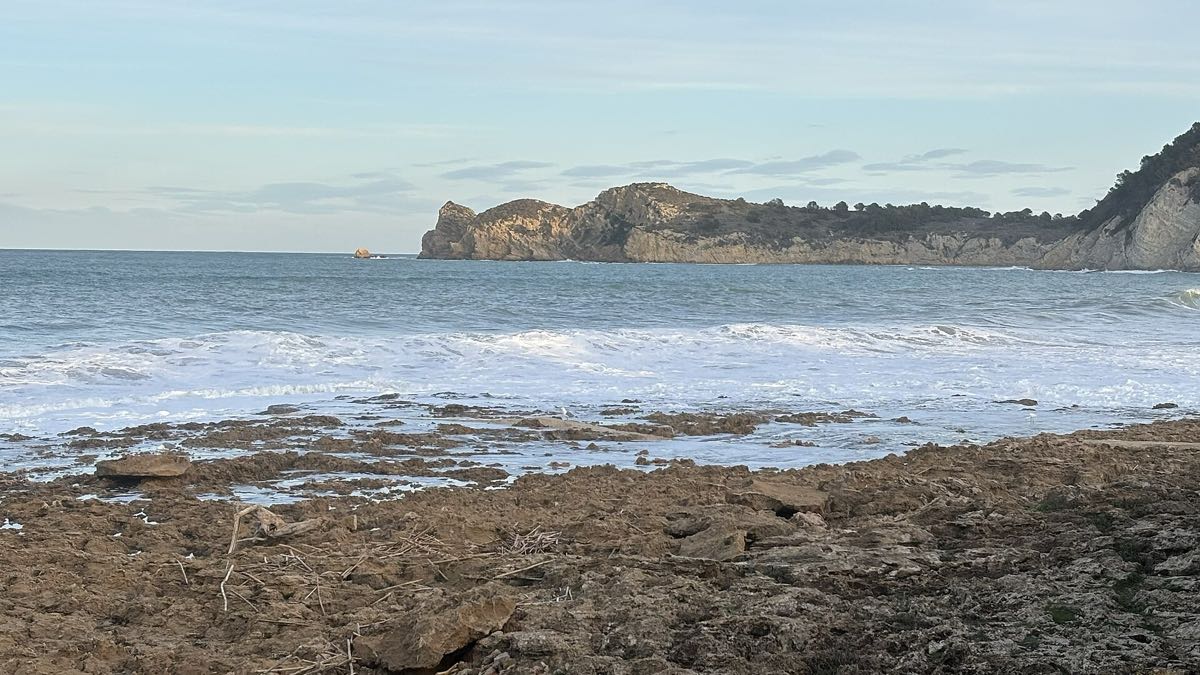
Language: closer, but not close
Belgium's three official languages give a partial head start that is easy to overstate. French speakers find some vocabulary overlaps with Spanish through shared Latin roots, but the two languages are not mutually intelligible, and Flemish or German speakers get no shortcut at all. English covers most day-to-day interactions in Jávea's international-facing businesses, but functional Spanish — and an awareness that Valencian is also spoken locally — remains the real key to settling in properly rather than staying a permanent visitor.
Housing patterns among Belgian arrivals
Belgian households moving here span the full range, from retirees choosing a low-maintenance apartment near the port to families buying a villa with a pool on the Montgó hillsides. As with any nationality, renting for a first winter before committing to a purchase remains the soundest advice on offer — it reveals which streets actually get afternoon sun, how a neighbourhood behaves out of season, and whether the drive to the shops is realistic without holiday traffic flattering it. Our renting guide covers the practical contract mechanics.
Cars, plates and the driving question
Anyone driving down with a Belgian-plated car needs to understand Spain's rules on how long a foreign-registered vehicle can legally stay before it must be re-registered or the owner becomes formally resident — this is a genuine compliance point, not a formality to skip. Spanish traffic law, motorway tolls and fuel-price patterns also differ enough from Belgium's to catch newcomers out in the first few months. See our driving guide for the specifics before you commit to bringing a car over.
- Confirm how long a Belgian-plated car can legally stay before re-registration applies
- Check your Belgian driving licence's validity period once you are formally resident
- Budget for French motorway tolls if driving down, not just Spanish fuel costs
- Insure the car in Spain promptly once it is Spanish-registered
Cost of living: a genuine but partial saving
Belgian arrivals often find day-to-day costs — eating out, casual services, many food staples — noticeably lower than at home. Property, utilities and anything imported sit closer to Belgian levels, sometimes above them once currency and shipping are factored in for goods brought over. The honest summary is that lifestyle costs fall more than fixed costs do, which suits people planning to live actively outdoors rather than replicate a Belgian home exactly, item for item.
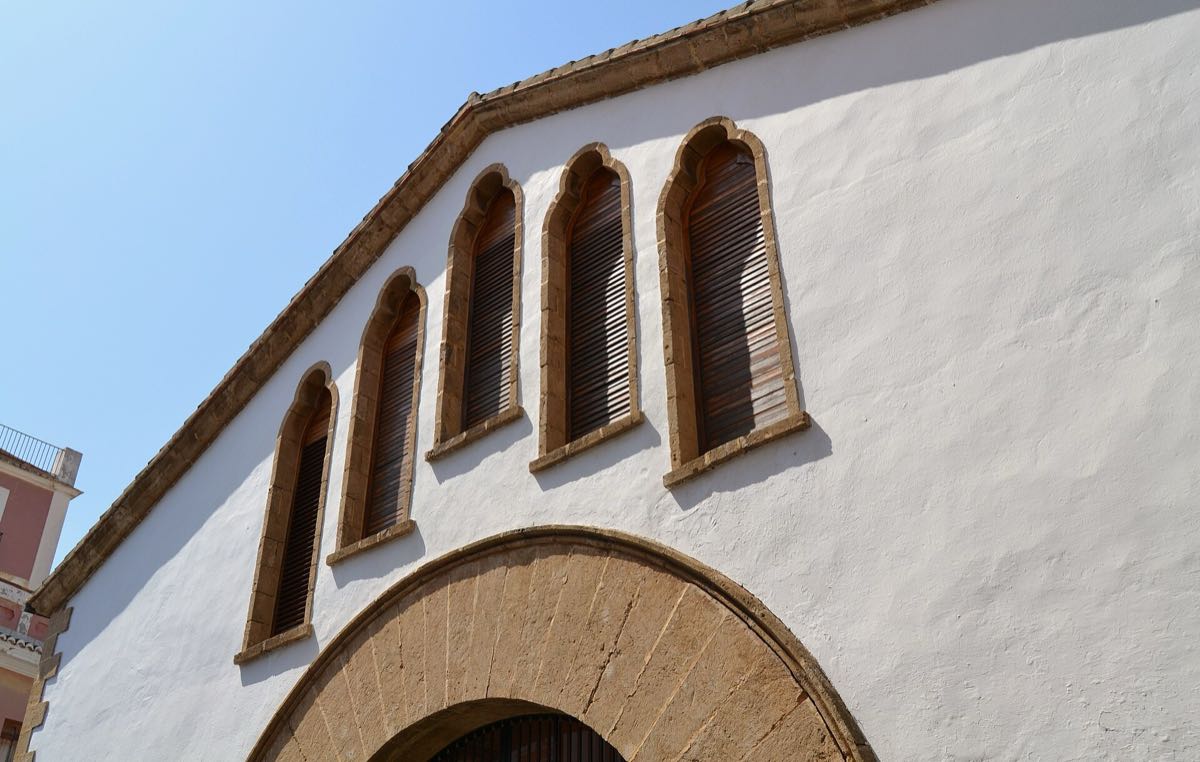
The Belgian community already here
Belgian households have been settling on this coast for long enough that the presence feels established rather than novel — honorary consulates, informal social groups and a general familiarity with Belgian habits among local businesses all reflect decades of arrivals before you. As with any nationality here, that presence is informal rather than centrally organised, so do not expect a single directory or a fixed club to join on arrival; the honest approach is to ask locally, since exactly which groups are active shifts from year to year.
- Check with your country's honorary consulate for current community contacts
- Ask at Jávea's tourist office about active Belgian or Francophone groups
- Join a general expat or sports club first — cross-nationality groups are usually the easiest way in
- Expect the community to feel most active in the quieter winter months, not summer
Building a life here, not just a base
The established Belgian and wider Francophone presence on this coast makes plugging into a social life easier than in a genuinely undiscovered town, but it still takes effort. Walking groups, sports clubs, church services and informal gatherings exist in various forms year to year — ask locally once settled rather than expecting a fixed directory, since exactly which groups are running shifts with the seasons and who is currently organising them.
Respuestas rápidas
How long does the drive from Belgium to Jávea take? Budget a genuine two days, covering roughly 1,500 km with an overnight stop somewhere in France — commonly around Paris, Bordeaux or further south depending on your starting point in Belgium. Add extra time in July and August, when French autoroutes carry heavy holiday traffic from across Northern Europe, and factor in toll costs, which are a meaningful part of the journey's expense rather than an afterthought.
Do Belgians need a visa to live in Jávea? No. As EU citizens, Belgians can move to Spain freely without a visa or immigration quota. The requirement once resident is registration, not permission: an NIE number, padrón registration at the town hall, and an EU residency certificate, completed through Spain's pre-booked appointment system. It is one of the more straightforward relocation paths available to any nationality moving to Jávea.
Places in this guide

Slesta Advisor
★ 5 (6049 reseñas · 2026-06-07)

Aventura-T Kayak en Jávea
★ 5 (344 reseñas · 2026-06-07)

The Vets Jávea
★ 5 (291 reseñas · 2026-06-07)

Atina
★ 5 (183 reseñas · 2026-06-07)
Redwood Solar S.L.
★ 5 (110 reseñas · 2026-06-07)

Vive Jávea
★ 5 (88 reseñas · 2026-06-07)
Browse all Servicios in the directory →
¿Es tuyo alguno de estos negocios? Reclama tu ficha gratis →