El Piver: the new-generation estate built for quiet
El Piver is Jávea's new-generation villa estate — recently urbanised, properly serviced, and filling with high-calibre contemporary homes on wide, lit, quiet streets. It trades the walk-to-everything life for something rarer in this town: modern infrastructure, real privacy, and calm you can hear.
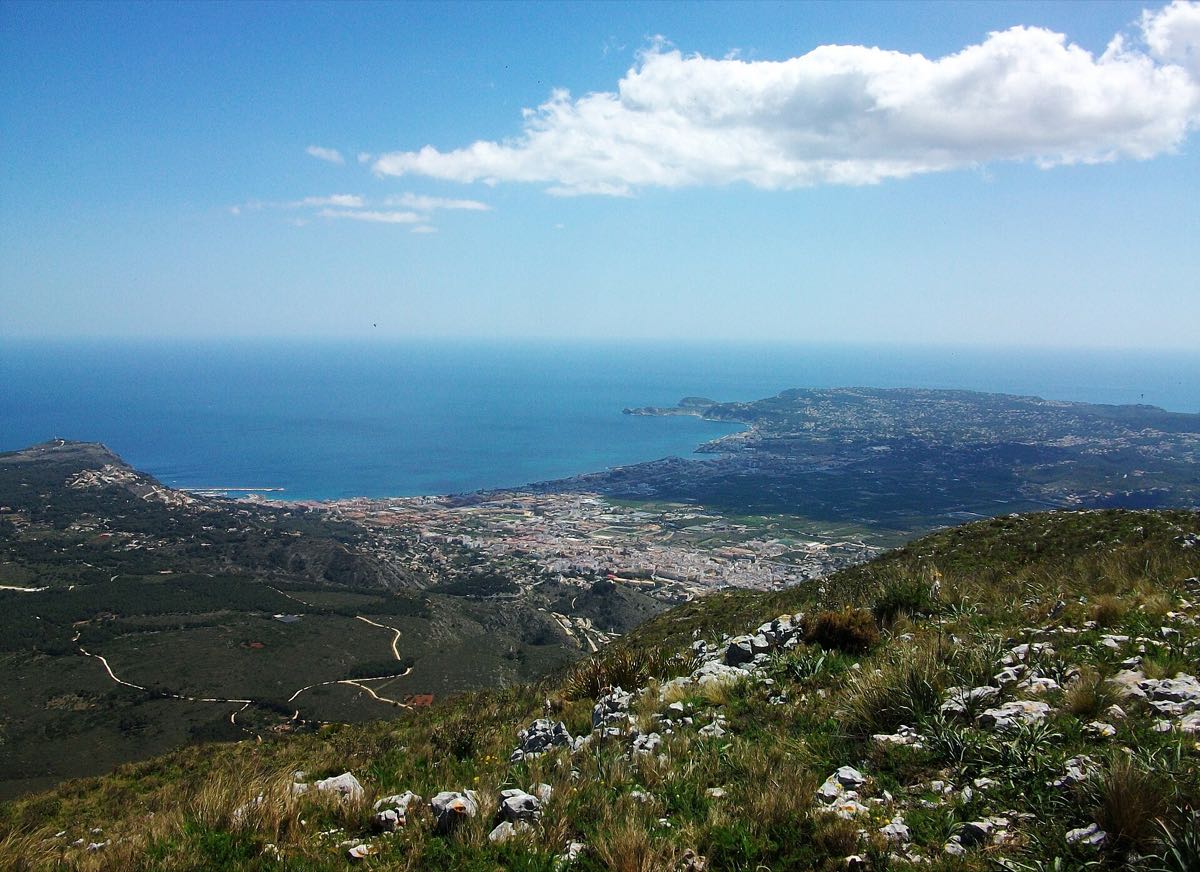
The character
El Piver is what happens when a villa zone is planned rather than accreted. One of the most recently urbanised areas of Jávea, it skipped the decades of improvisation that shaped the older partidas and arrived with the fundamentals already in place: wide streets, proper lighting, mains services buried underground where they belong. Onto that canvas, two generations of building have landed — first modern takes on the traditional Jávea villa, and now a confident wave of expensive modern-Mediterranean and Ibiza-style homes rising among them. The result is an estate that is visibly upgrading itself, plot by plot, while remaining one of the quietest addresses in town. It is marketed on tranquillity and privacy, and for once the marketing is merely descriptive.
Where it sits
El Piver lies on Jávea's southern inland side, past the Rafalet–La Lluca belt and away from the coastal bustle. The old town and the international school sit about three kilometres off; the beach is roughly four; the port about five. The nearest supermarket is a three-kilometre run rather than a stroll. One distance, though, inverts the usual Jávea arithmetic: the golf course is closer than the sand — around three kilometres — which tells you something true about the zone's character and its residents' diaries. This is not a place you buy to be near things. It is a place you buy so that things, and the people attached to them, stay pleasantly at arm's length.
The urbanisation dividend
It sounds unglamorous until you have lived without it: El Piver has modern infrastructure, and most of Jávea's villa country does not. Recent urbanisation means wide, lit roads instead of narrow unlit lanes; underground mains drainage instead of septic arrangements; buried gas and electricity instead of the overhead cabling that festoons the older partidas. For daily life this translates into streets that are safe to walk after dark, verges without pole clutter, and none of the classic older-zone surprises — the drainage negotiation, the connection upgrade, the transformer discussion — lurking in the purchase. For resale, it is a quiet structural advantage that never goes out of fashion.
The homes
The first wave of building here produced modern versions of the traditional style — tosca arches and naya terraces executed with contemporary insulation and glazing. The current wave is bolder: crisp modern-Mediterranean and Ibiza-style villas, white and low-slung, with flat roofs, deep porches, and pools designed into the architecture rather than added to the lawn. Because the estate is still filling in, the two waves stand side by side, and new arrivals keep landing among them — this is an actively densifying, upgrading estate rather than a settled one. Plots are generous, boundaries are landscaped for privacy, and roughly even odds of a sea glimpse from the right plot add an occasional bonus the brochure photos make the most of.
How far is everything, really?
Further than the walkable zones, and it is better to own that fact than soften it. El Piver is car country: the supermarket, the school, the beach and the town all sit at driving distance, and the zone's low walkability is the flip side of its calm. The drives themselves are short and easy — nothing here is remote in the mountain-road sense — but they are drives.
The sound of the place
What El Piver sells, above all, is quiet — and it is a specific, engineered sort of quiet. Wide plots keep neighbours at a distance; landscaped boundaries keep them out of sight; the estate's inland position keeps the coastal traffic and the summer crowds elsewhere. Evenings here are cicadas, sprinklers and not much else. The one caveat is the flip side of the zone's youth: while the estate fills in, weekday construction is part of the soundscape somewhere within earshot, migrating from plot to plot as new villas rise. Buyers should hear both truths at once — this is simultaneously one of Jávea's quietest zones and one of its most actively built. The first condition is permanent; the second is not.
Day to day
Life in El Piver is organised around the house, and the houses are built for it: mornings by the pool, work in a study that looks onto garden rather than street, the golf course ten minutes away for those so inclined. The errand run bundles naturally — school, supermarket and town sit in the same three-kilometre direction — and the beach becomes a deliberate pleasure rather than a default. Summer here is calmer than almost anywhere in Jávea; while the Arenal runs at carnival pitch, El Piver's streets barely change tempo. Winter suits it too: the estate's resident core stays put, the light is long and low over the inland hills, and the modern stock — insulated, glazed, efficiently heated — handles the cool months better than most of the town's older villas.
El Piver vs the walkable zones
The honest comparison is not with other villa estates but with the parts of town where you can walk to a café counter — because that is the life El Piver asks you to give up. The exchange rate is worth stating plainly.
- El Piver — maximum calm, modern infrastructure, contemporary stock; a car for essentially everything, and the beach is a drive.
- The Arenal — the inverse: everything on foot, year-round buzz, apartments over villas; you trade privacy and space for the promenade.
- Rafalet & La Lluca — the halfway house next door: flat, walkable-ish to the beach, similar new-build energy, less hush.
- Tosalet or Pinosol — settled prestige nearer the action; mature rather than modern, busier lanes, shorter runs.
Who it suits — and who it won't
El Piver suits buyers whose villa is the destination: people working from a home built this decade, golfers who noticed the arithmetic, families who want space and hush and do not mind driving for it, and design-led buyers who would rather have underground services and a contemporary floor plan than a storied address. It will not suit those who measure a location in strolls — no café, bakery or beach bar lies at walking distance, and evenings out end with a drive or a taxi. Nor is it for buyers who want their neighbourhood finished: the estate is still becoming itself, and you are buying the trajectory along with the plot.
El Piver is Jávea with the infrastructure done properly and the volume turned down. What it asks in exchange — a car, and patience with the scaffolding — strikes its residents as a bargain.
The Coastal Record
Buying in El Piver
The estate offers three routes in: resale of the earlier modern-traditional villas, recently completed contemporary homes, and plots or projects still to build. Values sit in Jávea's solid villa mid-range, with the newest high-specification builds pushing above it. The zone-specific homework is about the future as much as the present: because El Piver is actively densifying, ask what neighbouring plots are designated for, and let your lawyer confirm licences and boundaries on anything new. On builds and off-plan purchases, the standard protections apply — granted licence first, stage payments guaranteed, specification nailed down in the contract. Rules and taxes shift with circumstances and years, so take independent advice on yours rather than generalising from anyone's guide.
Raske svar
Can I live in El Piver without a car? No — plan on a car per driving adult. The nearest supermarket is about three kilometres away, the beach four, and there is no meaningful shop-and-café cluster at walking distance. The drives are short and easy, but they are non-negotiable. If a walkable daily life matters, look at the Arenal, the port, or the Rafalet–La Lluca belt instead.
Is El Piver still a building site? It is an estate that is still filling in, which is different. Streets and services are complete — the urbanisation itself is done — but new villas continue to rise on remaining plots, so weekday construction is part of the soundscape somewhere nearby. Visit on a weekday and a weekend to gauge both realities, and ask about the plots adjoining any villa you like.
Will I get a sea view in El Piver? Possibly — the odds are roughly even, and it depends entirely on the plot and its orientation. The estate's ground gives some villas a genuine look towards the coast and leaves others in private green enclosure. If a guaranteed panorama is the point, the high ridges of Costa Nova or the Montgó slopes are the safer hunting grounds; El Piver's certainties are quiet and privacy.
Businesses & distances in El Piver →
Places in this guide

Slesta Advisor
★ 5 (6049 anmeldelser · 2026-06-07)

Aventura-T Kayak en Jávea
★ 5 (344 anmeldelser · 2026-06-07)

The Vets Jávea
★ 5 (291 anmeldelser · 2026-06-07)

Atina
★ 5 (183 anmeldelser · 2026-06-07)
Redwood Solar S.L.
★ 5 (110 anmeldelser · 2026-06-07)

Vive Jávea
★ 5 (88 anmeldelser · 2026-06-07)