Eating Jávea — food & gastronomy
Jávea eats like the fishing and farming town it still is: rice cooked in fish stock, the day's catch from the port lonja, moscatel grapes dried in riu-raus — and dinner at an hour that startles every northern European on their first night.
A fishing town that still eats like one
Jávea's food is not a cuisine invented for visitors; it is what a town of fishermen and raisin farmers has always eaten, gradually promoted from necessity to pride. The building blocks are fish landed at the port, rice from the Valencian hinterland, vegetables from the huertas, almonds, olive oil and the moscatel grape. The result is a table that rewards curiosity: order past the paella on page one of the menu and you find the dishes locals actually argue about — and Valencians argue about rice the way other people argue about politics.
The rices — arroz a banda, paella and fideuà
The dish to understand first is arroz a banda: rice cooked in an intense fish stock, the fish served 'apart' (a banda) — born on fishing boats, where the good fish was for selling and the stock-soaked rice was for the crew. Paella is here too, naturally, cooked properly to a thin layer with a prized crust at the base. And fideuà — the same idea built on short noodles instead of rice — was invented just along the coast, so it is practically a local dish. All are lunch dishes; ordering paella at night marks you as a tourist, though nobody will stop you.
The fish paid the bills; the rice fed the fishermen. Guess which one they perfected.
how a local explains arroz a banda
Cruet de peix and the catch from the lonja
Jávea's port still lands a working catch, sold through the lonja — the fish auction — and the distance from boat to plate in the port restaurants can be measured in metres. The dish that shows the catch off best is cruet de peix, the fishermen's stew: rock fish and the day's best pieces simmered with potatoes, garlic and paprika, humble in origin and quietly magnificent in execution. Ask what came in today rather than ordering from habit; the honest kitchens will tell you.
From the huerta — espencat and coques
The vegetable side of the table deserves equal billing. Espencat is the local answer to escalivada: fire-roasted peppers and aubergine torn into strips, dressed with good oil and usually draped with salt cod — smoky, silky and ideal in summer. Coques are the Valencian flatbreads-cum-pastries, topped with roasted vegetables, tomato and tuna, or anchovies, sold in bakeries and eaten as almuerzo, the mid-morning second breakfast this region takes seriously. Both are cheap, ancient and everywhere once you start looking.
Moscatel, mistela and the riu-rau
The moscatel grape is Jávea's agricultural signature, and its story is written on the landscape in the riu-raus — the arcaded stone drying-houses where grapes were laid out to become raisins, once the comarca's great export and the reason many local families have relatives in America. Today the grape mostly becomes wine: dry, aromatic moscatel and the sweet fortified mistela, poured cold as an aperitif or after dinner. Locals mix moscatel into summer drinks with lemon; visitors should simply accept whatever is offered.
Tapas and the menú del día
Two customs will improve your week immediately. First, tapas culture: Jávea's bars — old-town cellars, port counters, Arenal terraces — work best when you graze across two or three rather than settling in one. Second, the menú del día: the fixed-price weekday lunch of three courses with bread and a drink, a workers' institution protected by long habit, and reliably the best-value cooking in town. It is how the builders, the office and half the retired population eat, which tells you everything about where the kitchens make an effort.
When to eat — the local clock
Spanish mealtimes are not a myth, and Jávea keeps them faithfully outside the most tourist-facing strips. Arrive at a local restaurant at 19:00 and you will dine alone with the staff, who are themselves eating. The Arenal has learned to feed northern Europeans at northern European hours, so nobody starves — but the kitchens cook for the local clock, and the room only comes alive when the locals do. Reset your stomach to the following schedule and the whole town suddenly makes sense.
Raske svar
What exactly is a menú del día? A fixed-price lunch offered on weekdays: typically a choice of starters, a choice of mains, bread, a drink and dessert or coffee, at a price that routinely undercuts ordering a single main from the evening card. It exists by long Spanish custom as the working lunch, and quality varies from workmanlike to quietly excellent. The tell is a full room of Spanish-speaking regulars at 14:30.
Do I need to book restaurants in Jávea? In July and August, yes — for the popular port and Arenal addresses, and especially for Sunday lunch, which is a near-sacred family institution and books out well ahead. The rest of the year you can mostly walk in, though the better-known kitchens reward a call. If you want a proper rice, note that many restaurants ask for it to be ordered in advance or by a minimum of two people; that is a good sign, not an obstacle.
Places in this guide

Tescafes
★ 5 (140 anmeldelser · 2026-06-07)
Ingen nettside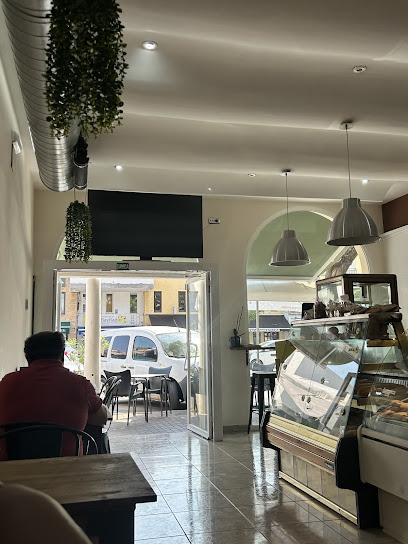
Karolida
★ 5 (80 anmeldelser · 2026-06-07)

Carú ArroceríaCarú Arrocería | Arroces y Paellas en el Puerto de Jávea
★ 5 (47 anmeldelser · 2026-06-07)
Ingen nettsideCatering4u
★ 5 (27 anmeldelser · 2026-06-07)
SAÓ Mediterráneo
★ 5 (26 anmeldelser · 2026-06-07)
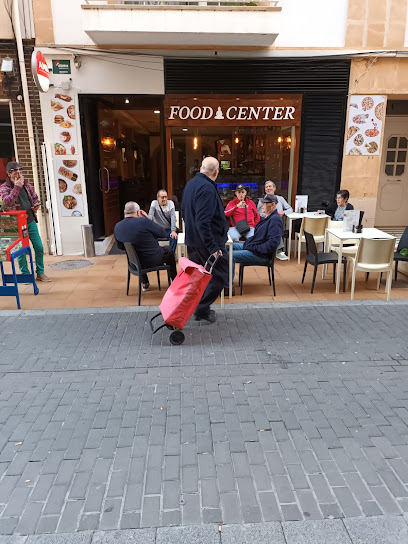
Restaurante Food Center
★ 5 (22 anmeldelser · 2026-06-07)
Ingen nettside