Moscatel & the local wine story — Jávea in a glass
The moscatel grape built Jávea twice: first as raisins dried in the stone riu-raus that still punctuate the landscape, then as the sweet mistela and increasingly serious dry whites poured across the comarca. Here is how to drink the Marina Alta properly — and what to carry home.
The grape that built the town
Most wine stories begin in a cellar; Jávea's begins on a drying floor. The moscatel de Alejandría grape is the Marina Alta's signature crop, and for the better part of two centuries it was grown here not for wine at all but for raisins — the comarca's great export, shipped north to sweeten British puddings and across the Atlantic in quantities that funded half the old town's handsome façades. The wine came later, almost as an afterthought, and then quietly became the point. Today moscatel is Jávea in a glass: honeyed and grapey when made sweet, surprisingly taut and floral when made dry, and always — this is non-negotiable — served cold enough to fog the glass.
Moscatel de Alejandría — an ancient traveller
The variety itself is one of the oldest cultivated grapes on earth, carried around the Mediterranean by whichever seafaring empire you care to credit and thoroughly at home on this coast for well over a thousand years. It thrives where the Marina Alta obliges: terraced hillsides, poor stony soils, salt air and a long, dry summer. The grape is unusually versatile — good on the table, superb dried, and aromatic enough that even simple winemaking produces something perfumed with orange blossom, jasmine and ripe muscat fruit. Uva, pansa, vino — grape, raisin, wine — the locals have always taken all three, and a proper Marina Alta pantry still contains each of them.
The riu-rau — raisins before wine
Drive the lanes behind Jávea and you keep passing them: long, low stone buildings with a run of graceful arches down one side, sometimes restored, sometimes crumbling gently into a vineyard. These are riu-raus, the raisin-drying houses, and they are the comarca's most eloquent architecture. Grapes were scalded, laid out on esparto mats in the sun, and hurried under the arches when weather threatened; the raisins paid for schools, ships and emigrations, and the trade's collapse — phylloxera, competition, changing tastes — sent Marina Alta families to America in numbers the region still remembers.
The arches weren't decoration. They were the roof that saved the harvest every time the sky turned.
how the riu-rau is explained to visitors
The moscatel year
Moscatel keeps an old agricultural clock, and knowing it makes the landscape legible. The vines flower in late spring, sprawl through the heat, and come to harvest at the tail of summer — historically a village-emptying event, and still a busy few weeks in the valleys inland. The wine appears young and fresh by the following spring; mistela, being fortified, shrugs at vintages and simply accumulates in the cellar. September in the villages still smells faintly of pressing, and the co-operatives run long hours; if you are here for it, the roadside sight of laden trailers heading inland is the comarca's oldest traffic. By October the terraces turn gold, which is the vineyard's way of announcing that the year's work is done and the drinking may respectably begin.
Mistela — sweetness with a pedigree
The traditional glass of the comarca is mistela: fresh moscatel must whose fermentation is stopped with grape spirit, leaving the grape's own sugar intact. The result is golden, honeyed and dangerously easy — an aperitif before Sunday lunch, a digestif after it, and the ceremonial pour at every fiesta, baptism and deal-sealing handshake in the Marina Alta. Grandmothers keep it in unlabelled bottles; bodegas make polished versions worth cellaring. Drink it icy cold, in small glasses, with almonds or a slice of coca.
The dry turn — moscatel grows up
The most interesting thing happening in local wine is the rise of the dry moscatel. A generation ago the grape meant sweetness, full stop; now the region's winemakers ferment it out completely, producing whites that keep all the jasmine-and-grape perfume but finish bone dry, saline and quick on their feet — arguably the perfect wine for this coast's fish-and-rice table. Restaurants that once buried moscatel at the bottom of the list now open with it, and a chilled dry moscatel on a terrace has become the unofficial handshake of a Marina Alta summer. If your memory of muscat is sticky dessert wine, this style will quietly rearrange your prejudices. It also travels well as an idea: the same bottle that accompanied last night's grilled sepia works at home on anything with garlic, saffron or salt air in its ancestry.
Bodega country — the Jalón valley and beyond
Jávea grows grapes but keeps few cellars, so the pilgrimage is inland: the Jalón (Xaló) valley, twenty-odd minutes over the hills, where vineyards line the valley floor and bodegas and co-operatives sell everything from serious bottlings to wine drawn straight from the tank. The wider Alicante wine world repays curiosity too — inky monastrell reds from further south, and the province's venerable rarity, fondillón, an aged sweet monastrell with centuries of pedigree. But the valley run is the classic outing: tasting, buying, a long lunch, and home by siesta.
What to buy — the moscatel shopping list
You do not need a cellar-door visit to drink well here. Jávea's delis, market stalls and even the better supermarket shelves carry the local canon, and a sensible basket covers the grape in all its moods. Start at the Mercat and the old town delis, where local bottles share shelf space with the almonds and salazones they were born to accompany; add the supermarket's Alicante DO shelf for everyday drinking, and save the co-operative visit for stocking up in earnest. Labels are refreshingly unpretentious — the word moscatel does most of the talking — and staff will point you to the style you actually want if you simply say sweet or dry.
- A dry moscatel white — the modern classic, for the fridge door
- A bottle of mistela — the traditional sweet, for after dinner
- Moscatel raisins (pansas) — the original export, still superb with cheese
- A young Jalón valley red or rosado — honest valley drinking
- Fondillón, if the budget stretches — Alicante's venerable rarity
The numbers behind the glass
The scale of the old raisin economy is hard to overstate: for much of the nineteenth century it was the engine of the entire comarca, and its infrastructure — the terraces, the riu-raus, the merchant houses of the old town — still frames daily life here. The wine that replaced it is a smaller business but a prouder one, and the single grape behind it all gives the region an unusual coherence: one variety, three products, two centuries of practice.
Pairing moscatel with the local table
The happy accident of a one-grape region is that the wine and the food grew up together. Dry moscatel is the natural partner for the port's fish — gambas, grilled sepia, anything a la brasa — and stands up cheerfully to arroz a banda, where its aromatics cut the richness of the stock. It flatters espencat and summer salads, and handles garlic and allioli better than most whites dare. Mistela belongs at the ends of the meal: as an aperitif with salted almonds and olives, or after dinner alongside coca, almond pastries or a slice of melon. And on a hot afternoon, locals mix moscatel with lemon and ice without a flicker of shame — you may join them. If you want one bottle to cover an entire holiday's eating, the dry style is the safer marriage; if you want the bottle that tastes most like the place, mistela wins on heritage alone.
Raske svar
Is moscatel always sweet? No — and that assumption is worth unlearning before you order. The traditional styles, mistela and moscatel dulce, are indeed sweet, but the region now makes excellent bone-dry moscatels: aromatic, saline whites built for seafood. On a wine list, look for seco (dry) versus dulce (sweet), or simply ask — any decent restaurant will pour you the dry style with dinner and the sweet one after it.
Can I visit bodegas near Jávea? Yes, with a short drive. Jávea itself grows grapes but keeps few working cellars, so head inland to the Jalón (Xaló) valley — roughly twenty-five minutes over the hills — where bodegas and co-operatives welcome visitors for tastings and direct sales year-round. Combine it with the valley's almond blossom in late winter or a long lunch in any season; it is the classic half-day outing from the coast.
What exactly is mistela? Mistela is fresh moscatel grape must whose fermentation is halted by adding grape spirit, so the natural sugar stays in the glass and the strength lands around 15%. Think of it as the grape captured mid-thought: honeyed, golden and intensely grapey. It is the Marina Alta's ceremonial drink — served icy cold in small glasses as an aperitif or digestif — and a bottle makes the most local souvenir imaginable.
Places in this guide

Tescafes
★ 5 (140 anmeldelser · 2026-06-07)
Ingen nettside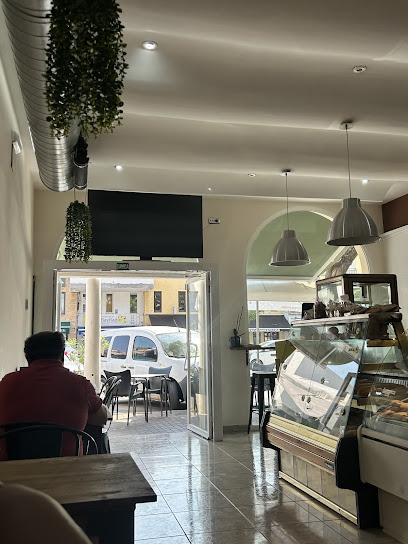
Karolida
★ 5 (80 anmeldelser · 2026-06-07)

Carú ArroceríaCarú Arrocería | Arroces y Paellas en el Puerto de Jávea
★ 5 (47 anmeldelser · 2026-06-07)
Ingen nettsideCatering4u
★ 5 (27 anmeldelser · 2026-06-07)
SAÓ Mediterráneo
★ 5 (26 anmeldelser · 2026-06-07)
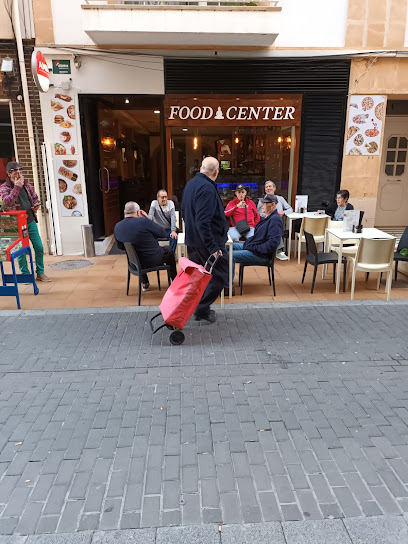
Restaurante Food Center
★ 5 (22 anmeldelser · 2026-06-07)
Ingen nettside