Arenal vs Port vs Old Town: Where to Stay in Jávea
Jávea isn't one place, it's three, each with its own beach, pace and reason to exist. Here's the honest sorting logic for visitors picking a base and buyers picking a neighbourhood.
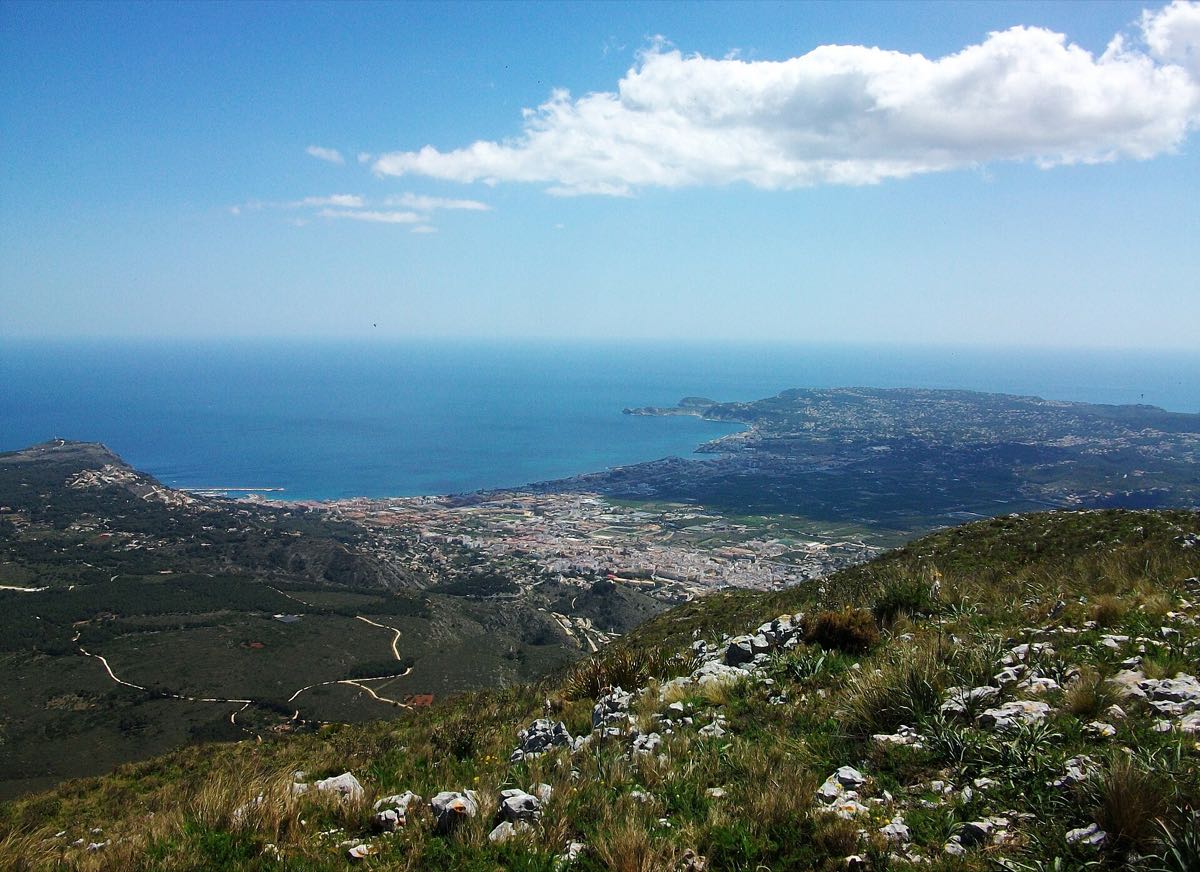
One town, three neighbourhoods, three different holidays
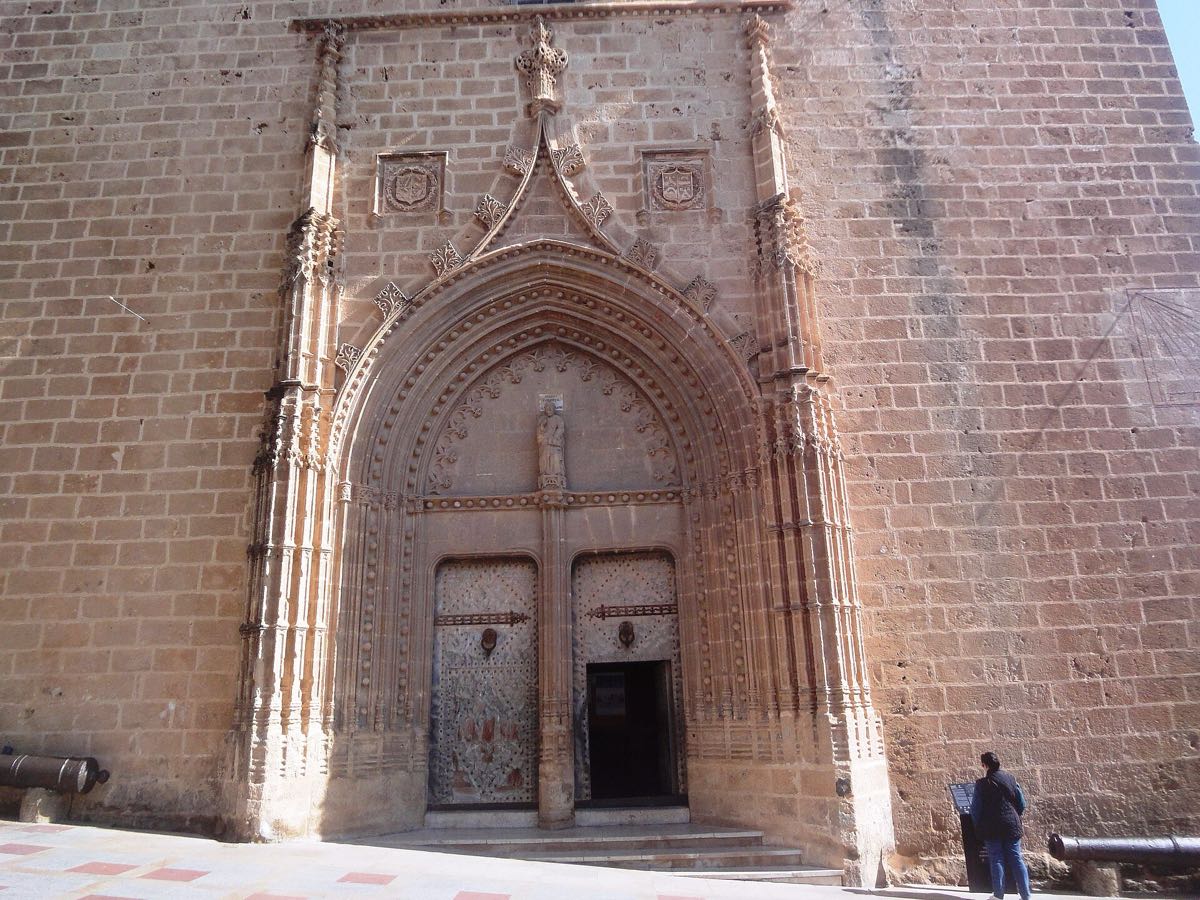
New visitors to Jávea are sometimes surprised to find it isn't really a single place — it's three loosely connected zones a few kilometres apart, each with a distinct character and its own reason for existing. Arenal is the beach resort: a sandy strip, a promenade, bars and restaurants built for summer footfall. The Port is the working harbour turned pleasant seafront village, with a longer season and a more local feel than the beach strip ever manages. The Old Town, inland and historic, is where Jávea has actually lived for centuries, market square and fortified church included, largely untouched by the tourist tide. None of the three is the 'main' Jávea — they're better understood as three answers to the same question, depending entirely on what you're actually after from your time there.
Character and pace
Arenal runs on a summer clock: lively, sociable, built around the beach and its bars, with a genuinely different mood in July than in January, when much of it quietly closes its shutters. The Port keeps a steadier rhythm — still a working fishing harbour in part, with the palm-lined Andrés Lambert promenade giving it a village-front feel that holds up better through the year than Arenal does. The Old Town operates on a different clock entirely: it's where much of Jávea's permanent, largely Spanish population actually lives, with a Thursday market and a year-round bustle that owes nothing at all to tourism. If you want the liveliest weeks of summer, Arenal delivers; if you want a place that still feels like somewhere in November, the Old Town or the Port are the better bet by some distance.
Beaches and the water
Only Arenal is a proper beach base in the conventional sense — a Blue Flag sandy strand, sunbeds, a promenade built for exactly this kind of holiday. The Port has a smaller pebble beach and quicker access to the rocky coves running towards the Cap de la Nao, better suited to a swim than to a full day camped on a towel. The Old Town has no beach at all — it sits about two kilometres inland, under the Montgó — which is precisely the trade-off on offer: quieter, noticeably cooler in high summer, and only a short drive from either coastal option whenever the sea does call.
Dining and walkability
Each zone is walkable within itself but not really between the others, so picking a base matters more in Jávea than it would in a single compact town elsewhere on this coast. Arenal's dining is dense and beach-facing — plenty of choice, built for holiday footfall, at its best in the warmer months when terraces fill up. The Port has arguably the town's best fish restaurants, genuine harbour views, and a promenade that's pleasant to walk end to end at any time of year. The Old Town does tapas, bakeries and everyday local trade around its main square, with a rhythm that owes more to residents than tourists — worth the inland detour even if you're not staying there yourself.
Property flavour and transport between the zones
Arenal's property stock leans towards apartments and modern townhouses aimed squarely at the holiday and rental market, generally the most straightforward entry point for buyers wanting something turnkey and rentable from day one. The Port mixes traditional townhouses with newer builds and carries a steadier, more residential feel, sitting between Arenal's holiday intensity and the Old Town's local character. The Old Town offers the most traditional Spanish housing stock — townhouses on narrow streets, generally the most character-led and least tourist-oriented of the three — appealing to buyers who want to live somewhere that would carry on exactly the same without a single visitor passing through. Moving between all three by car takes five to ten minutes each way, comfortably manageable daily but not something you'd want to do on foot in summer heat.
A brief word on history
The three-zone layout isn't an accident of planning — it's a product of history. The Old Town grew up inland, a safe distance from the coast, because for centuries the shoreline wasn't safe: Barbary pirate raids kept early settlers away from the water, and the fortified church at its centre was built to double as a refuge, not just a place of worship. The Port developed later as the fishing trade grew and the coast became viable to live on, while Arenal is largely a twentieth-century creation, shaped almost entirely by the rise of beach tourism. Knowing this makes the choice feel less arbitrary: you're not just picking a neighbourhood, you're picking which century of Jávea you'd rather live closest to.
Who should pick which
There's no single right base in Jávea — only a better match for what kind of stay, or what kind of life, you're actually planning to build there.
- Pick Arenal if you want beach-first summer holidays, walk-to-everything convenience in July and August, and don't mind a quieter off-season.
- Pick the Port if you want a balance — harbour views, good restaurants, a longer season than Arenal, and easy access to the rocky coves.
- Pick the Old Town if you want year-round local life, traditional character, and don't need to be near the beach every day.
Mixing and matching
None of this is a permanent commitment, which is worth remembering before agonising too hard over a single choice. Plenty of regular visitors and even some residents split their time deliberately — a villa or apartment near the Old Town for the quiet, year-round base, with regular trips down to Arenal for the beach days and to the Port for dinner. Renters have it easiest: a week in each zone across different visits builds a genuinely useful sense of which one fits before any bigger decision gets made. Buyers weighing up a permanent move are better served treating this guide as a starting filter rather than a final verdict — a few days actually walking each zone, ideally outside high summer when the character is least disguised by crowds, tells you more than any comparison page ever will.
Szybkie odpowiedzi
Which part of Jávea is best for a first visit? The Port is usually the safest first-time base — it has genuine character, good restaurants within walking distance, easy access to both Arenal's beach and the Old Town by a short drive, and it doesn't shut down as completely outside peak summer as Arenal does.
How far is the Old Town from the beach in Jávea? About two to three kilometres, roughly five to ten minutes by car. It's not walkable for most people in summer heat, but it's a short, easy drive, and plenty of Old Town residents make the trip to Arenal or the Port's cove access regularly without a second thought.
Is Arenal too quiet in winter? It can feel notably so — a fair number of bars, restaurants and rental apartments close or scale back outside the summer season, since much of the area is built around holiday trade rather than year-round residents. Anyone wanting winter buzz is generally better served basing themselves in the Port or Old Town instead.
Places in this guide

Kanaloa Aventura
★ 5 (317 opinii · 2026-06-07)

TRX Live Xàbia
★ 5 (100 opinii · 2026-06-07)
Brak strony
Espacio van Eijle
★ 5 (81 opinii · 2026-06-07)

Freediving Jávea
★ 5 (63 opinii · 2026-06-07)

Feel Better – Your Personal Gym
★ 5 (57 opinii · 2026-06-07)

Dance & Fitness Studio
★ 5 (49 opinii · 2026-06-07)
Browse all Atrakcje in the directory →
Run one of these businesses? Claim your listing free →