Eating gluten-free in Jávea: the honest guide
Jávea's local cooking already leans gluten-free before you even mention the word — rice, fish and potatoes carry most of the traditional table. Here's what that actually means for a coeliac or gluten-free visitor, where the real risk sits, and how to ask for what you need.
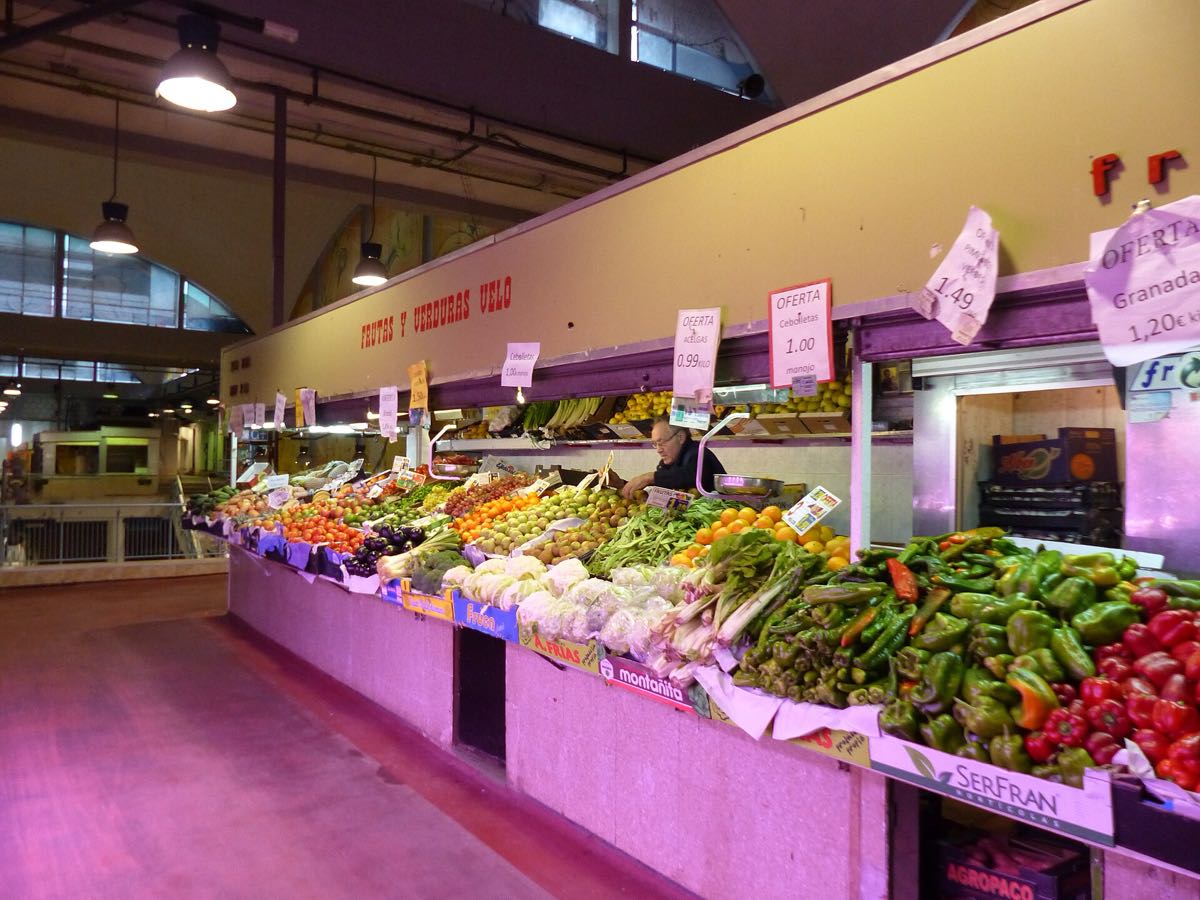
A town that already eats gluten-free, mostly by accident
Jávea's food culture has a genuine head start for anyone avoiding gluten: the local table is built on rice, the day's fish, potatoes and olive oil, not on bread and pastry. A plate of arroz a banda or a simple grilled dorada was never built around wheat in the first place. That doesn't make the town risk-free — it makes the starting point better than most, which is a different and more honest claim.
What's usually safe to order
A good number of traditional Spanish dishes are naturally free of gluten as cooked, though the kitchen's handling still needs checking. Grilled or baked fish, plain tortilla española, jamón and cheese, olives, most salads and rice dishes made without added stock cubes or thickeners are the strongest starting points.
- Tortilla española — egg and potato, no flour in the traditional recipe
- Grilled or baked whole fish, and plain seafood without breadcrumb coatings
- Jamón, cheese and cured meats served on their own
- Rice dishes such as paella and arroz a banda, provided the stock is checked
- Olives, most salads, and grilled vegetables without a sauce
Where the real risk sits
The danger for a coeliac in Jávea isn't a lack of naturally gluten-free food, it's cross-contamination in a busy kitchen: shared fryer oil that's also cooked breaded fish or croquetas, a stock cube or thickened sauce added without a second thought, or bread served alongside a dish that would otherwise be fine. This is the honest risk profile, and it's the same risk profile as most of Spain — worth taking seriously rather than assuming the naturally gluten-free dish is automatically safe as served.
Bread, pasta and the harder categories
This is where things get genuinely harder. Traditional Spanish bread, most pasta, breaded tapas like croquetas and calamares a la romana, and thickened sauces are the categories most likely to catch someone out. Dedicated gluten-free bread and pasta are increasingly available at the more established, international-facing kitchens and at larger supermarkets, but it's still the exception rather than the rule at smaller, traditional places — worth asking before assuming.
How to ask, in Spanish and English
"Sin gluten" is the phrase that does most of the work — most staff in tourist-facing restaurants understand it immediately, and awareness has grown considerably in recent years. A short, specific question travels further than a general one.
- State it clearly and early — "Soy celíaco/celíaca" (I'm coeliac) if it's a medical need, not a preference
- Ask about the frying oil — "¿Se fríe en el mismo aceite que el pan rallado?" (is it fried in the same oil as breaded food?)
- Ask about sauces and stock — many are thickened with flour or use a stock cube by default
- Double-check dessert — flour turns up in unexpected places at the end of a meal
- When in doubt, ask for the dish plain and build it up yourself with olive oil, lemon and salt
Shopping for gluten-free supplies
Larger supermarket chains carry a dedicated gluten-free aisle or section, generally more reliable stock than a small local shop, and the international delis serving Jávea's resident population often carry familiar imported gluten-free brands alongside Spanish own-label ranges. It's worth building a small pantry — bread, pasta, a trusted sauce — if you're self-catering for more than a few days.
Dining out with a mixed group
A gluten-free diner in a group that isn't is one of the easier dietary situations to manage in Jávea, precisely because rice dishes, grilled fish and tapas boards work for everyone at once. Ordering a shared paella cooked without a flour-based shortcut, or a table of tapas built around jamón, olives and grilled seafood, keeps the whole table happy without a separate menu negotiation.
Seasonal note
Awareness and stock both improve in the busier months, when kitchens see more requests and stay sharper on the detail. Off-season, particularly at smaller family-run places, it's worth allowing a little more time to check with the kitchen rather than assuming the same fluency in handling the request.
Allergies beyond gluten
Coeliac disease and a general gluten sensitivity aren't the only things kitchens here are asked to handle — nut, shellfish and dairy requests are increasingly common too, and the same honesty rule applies to all of them: state it clearly, ask about cross-contamination specifically, and don't assume a dish is safe just because the recipe usually is.
How our directory helps
Restaurant listings here are ranked from genuine visitor reviews, so use the directory to build a shortlist of established, well-reviewed kitchens before you go, then confirm gluten-free handling directly with the restaurant on the day — reviews are a good filter, not a substitute for asking.
Szybkie odpowiedzi
Is Jávea a good destination for coeliac or gluten-free travellers? Yes, more than most Spanish coastal towns — the local diet is naturally rice- and fish-based rather than bread-based, and awareness of "sin gluten" requests is well established at tourist-facing restaurants. The main task is confirming cross-contamination handling kitchen by kitchen, not finding something to eat.
What's the Spanish phrase for gluten-free? "Sin gluten" is understood almost everywhere. If it's a medical requirement rather than a preference, saying "Soy celíaco" or "Soy celíaca" (I'm coeliac) tends to get a more careful response about cross-contamination, since it signals the stakes are higher than taste.
Places in this guide

Tescafes
★ 5 (140 opinii · 2026-06-07)
Brak strony
Karolida
★ 5 (80 opinii · 2026-06-07)

Carú ArroceríaCarú Arrocería | Arroces y Paellas en el Puerto de Jávea
★ 5 (47 opinii · 2026-06-07)
Brak stronyCatering4u
★ 5 (27 opinii · 2026-06-07)
SAÓ Mediterráneo
★ 5 (26 opinii · 2026-06-07)
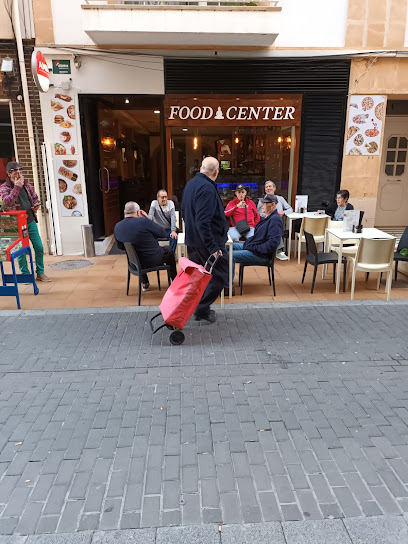
Restaurante Food Center
★ 5 (22 opinii · 2026-06-07)
Brak stronyBrowse all Gdzie zjeść in the directory →
Run one of these businesses? Claim your listing free →
You've just read the free guide — this pack is the working version you take with you.