The rice dishes of Jávea: beyond paella
Paella gets all the tourist attention, but it's barely the start of what this coast does with rice. Arròs a banda, arroz meloso, the socarrat everyone secretly fights over — this is the local repertoire, why it's cooked the way it is, and how to order it like you've eaten it before.
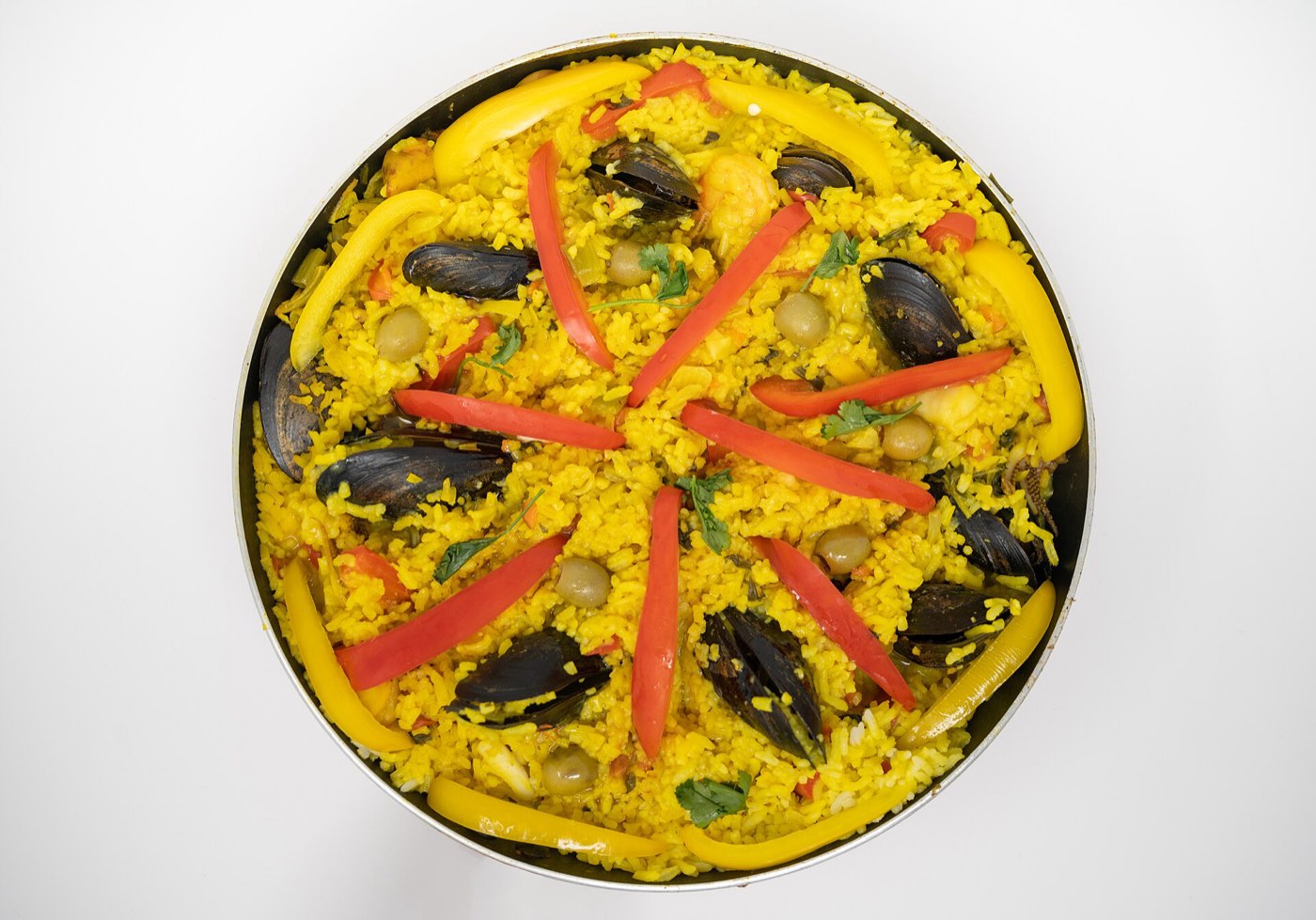
Beyond paella: Jávea's rice repertoire
Ask a visitor what Spanish rice tastes like and most will describe paella; ask a local what they cooked last Sunday and the answer is just as likely to be something a paella-only diner has never heard of. This coast, and the Valencian region behind it, treats rice the way Italy treats pasta — one ingredient, a dozen genuinely different dishes, each with its own technique, texture and occasion. Paella is the famous one. It is not the only one, and arguably not even the best introduction to the range.
Arròs a banda — what it actually is
Arròs a banda translates roughly as "rice apart," and that's exactly the trick: the rice is cooked in a stock made from fish and shellfish, absorbing all that flavour, and then served separately from the fish itself, which typically comes as its own course or alongside. The result is a plate of deeply savoury, faintly orange rice that tastes unmistakably of the sea without a single visible prawn on it — a dish built by fishermen who wanted a proper meal from the parts of the catch too small or bony to sell.
Arroz meloso — the soupy cousin
Where paella is dry and separate-grained, arroz meloso ("honeyed" or melting rice) is deliberately looser — closer to a risotto in texture, spooned rather than forked, and often built around rabbit, mountain herbs or whatever shellfish is in season. It's the rice dish most likely to appear on a menu without fanfare, and one of the most rewarding for anyone willing to order something they can't immediately picture.
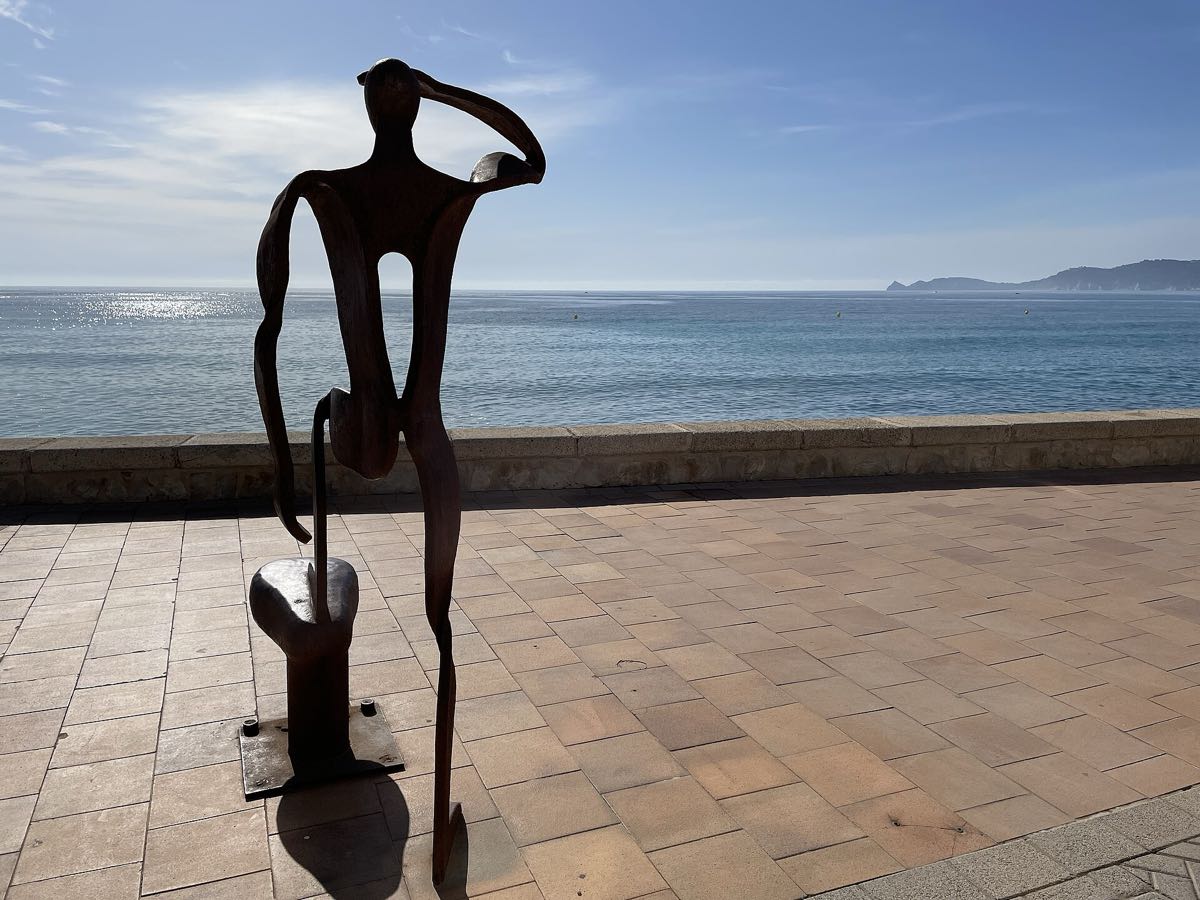
Paella valenciana vs the seafood paella tourists expect
Here's the detail that catches most visitors out: the original, historically "correct" paella valenciana is made with chicken, rabbit, green beans and sometimes snails — not a single prawn in sight. Seafood paella is a real and popular dish, but it's a coastal variation, not the ancestral version, and ordering "paella" without specifying can get you either depending on the kitchen. If you have a preference, say which one you want.
The socarrat — the crust locals fight over
The layer of rice that catches and crisps against the hot pan base is called the socarrat, and far from being a cooking mistake, it's the part a good kitchen aims for deliberately and the part regulars scrape for specifically once the rest of the pan is gone. If you're eating with locals and see cutlery converging on the pan's edge in the last five minutes, that's what's happening — join in rather than waiting politely.
You can tell a rice cook by the socarrat, not the rice on top of it.
how a local explains arroz a banda
Where the rice itself comes from
The short-grain rice used across these dishes is grown in wetland paddies not far up the coast, part of a rice-growing tradition that stretches back centuries in this corner of Valencia — the same wetland ecosystems, in fact, that support significant birdlife and are protected for exactly that reason. It's a genuinely local ingredient in a way that isn't always true of Spanish cooking, and part of why rice here tastes different from a bag bought anywhere else.
When Jávea eats rice
Rice is Sunday-lunch food as much as it's restaurant food — a dish built for a table of people with nowhere else to be, eaten slowly, over conversation, not grabbed on the way to somewhere else. Many households and plenty of restaurants treat it as a weekly ritual rather than an everyday order, which is part of why it's worth booking ahead if you want it on a specific day rather than turning up and hoping.
How to order rice like a local
A few habits separate a smooth rice order from an awkward one:
- Check the minimum order size — rice is very often made for two people minimum, sometimes more, because the pan and technique don't scale down well
- Order early in the meal — proper rice takes genuine cooking time, roughly twenty minutes once ordered, so it should go in before your starters if you don't want a long wait
- Ask what's in season if you're choosing between meloso options — the best kitchens vary the dish with what's good that week
- Specify valenciana or marisco if you're ordering paella and have a preference
- Leave the socarrat for last — don't stir it in early
Rice's noodle cousin: fideuà
Worth knowing about even though it isn't technically rice: fideuà swaps the grain for short toasted noodles, cooked the same way as a seafood paella and finished with the same fierce respect for a good crust. It's a genuinely Valencian invention in its own right, and a good order for anyone who wants the flavour profile of arròs a banda without the rice.
Kurze Antworten
What is the difference between paella and arròs a banda? Paella is a dry, separate-grained rice dish cooked and served together with its ingredients visible in the pan — traditionally chicken and rabbit, or as a seafood variation. Arròs a banda is cooked in fish stock and served with the rice and the fish as two separate elements, rather than one combined dish — the name literally means "rice apart." Both are genuinely local, and neither is a lesser version of the other; they're simply different dishes solving different problems.
Why does rice in Spain take so long to order? Properly made rice dishes are cooked to order rather than reheated from a batch, and the technique — building the stock, adding rice at the right moment, managing the heat to get a good socarrat without burning it — genuinely takes around twenty minutes from order to table. Kitchens that serve rice instantly are usually reheating, which is a fair trade-off for speed but a noticeably different dish from one made fresh. Order it early in your meal and treat the wait as part of the ritual, not a delay.
Places in this guide

Carú ArroceríaCarú Arrocería | Arroces y Paellas en el Puerto de Jávea
★ 5 (47 Bewertungen · 2026-06-07)
Keine Website
Arròs i Més Jávea
★ 4.8 (82 Bewertungen · 2026-06-07)
Restaurante Masena
★ 4.7 (1503 Bewertungen · 2026-06-07)

Volta i Volta
★ 4.6 (823 Bewertungen · 2026-06-07)
Embruix Xabia
★ 4.5 (620 Bewertungen · 2026-06-07)

Restaurante Sur
★ 4.4 (1297 Bewertungen · 2026-06-07)
Browse all Essen & Trinken in the directory →
Gehört Ihnen eines dieser Unternehmen? Eintrag kostenlos übernehmen →
You've just read the free guide — this pack is the working version you take with you.