Vegetarian & vegan Jávea — greener than it looks
A fishing town on a rice-and-jamón coast sounds like hard work for plant-based eaters, but the truth is friendlier: traditional Valencian cooking hides a wealth of vegetable dishes, the Arenal has grown a genuinely dedicated scene, and the market does half your cooking for you. You just need the vocabulary — and one warning about fish stock.
The honest picture
Let us not oversell it: Jávea is a fishing town on a coast that reveres jamón, and the default menu leans hard on things that once swam or trotted. But the honest picture is far better than the pessimistic one. Valencian cooking grew out of huertas — market gardens — as much as harbours, and a whole repertoire of vegetable dishes hides in plain sight on traditional menus. Add a young, genuinely committed plant-based scene around the Arenal, one of the best produce markets on the coast, and a food culture that considers vegetables worth grilling properly, and the plant-based visitor here eats well. Not effortlessly — well. The difference is a little vocabulary and one crucial question about stock. What follows is the realist's map: what the tradition already offers, where the new kitchens cluster, what to ask before the rice is committed, and how to let the market do the heavy lifting.
The Valencian larder is on your side
Start with what the tradition already gives you. Espencat — peppers and aubergine roasted over flame, torn into silky strips and dressed with olive oil — is one of Spain's great vegetable dishes (ask for it without the customary salt cod). Coques, the local flatbreads, come topped with roasted vegetables or tomato and onion. Verduras a la brasa — vegetables over coals — appear wherever there is a grill, which is everywhere. Then the supporting cast: pan con tomate, gazpacho in summer, garlicky sautéed spinach with chickpeas, stuffed peppers, olives in a dozen dressings and almonds by the fistful. None of this was invented for vegetarians; all of it works beautifully for them. The trick is to read menus horizontally rather than vertically: skip the mains built around a protein and assemble a table of starters, salads and grilled vegetables instead — which is, not coincidentally, how locals often eat in summer anyway.
The rice question
Rice is the region's religion and vegetarians are not excluded from worship — with caveats. An arroz de verduras (vegetable rice) is a recognised dish that good kitchens cook with pride, and paella de verduras appears on plenty of menus. The caveat is the foundation: many kitchens build every rice on fish stock out of pure habit, so the vegetable paella of your dreams may have a maritime subconscious. The fix is to ask — clearly, kindly, in advance — and the better restaurants will happily cook a true vegetable rice, especially for two or more people ordered ahead. When they do, it is glorious: smoky, saffron-deep and utterly unapologetic.
In Valencia, a vegetable is not a garnish. It is a small emergency if it's missing.
the huerta worldview, summarised
The fish-stock problem, stated charmingly
Here is the one genuine hazard, delivered with affection: fish stock is everywhere. It is in the rice, frequently in the soup, sometimes in dishes whose names contain no hint of the sea. This is not malice; it is muscle memory in a town where the lonja is a five-minute walk from most kitchens and stock has meant fish stock for several centuries. Waiters, asked whether a dish is vegetarian, will occasionally say yes while meaning 'it contains no visible pieces of animal'. The solution is precision, not suspicion — ask about the caldo specifically, and you will get a straight answer and usually a helpful one.
The dedicated scene — small, real, growing
Beyond adaptation, Jávea now has restaurants that start from plants rather than retreating to them, and the centre of gravity is the Arenal and its surrounding streets. The brunch wave brought avocado and oat milk; behind it came fully vegetarian and vegan kitchens, health-food cafés, and international restaurants for whom a serious plant-based menu is standard practice rather than a concession. The scene is small enough to learn in a week and young enough to keep improving each season. Even the traditional restaurants have noticed: menus increasingly mark vegetarian dishes, and the phrase 'opción vegana' no longer causes visible alarm. Expect juices and speciality coffee alongside full plant-based menus, and a clientele mixing yoga mats, laptops and retired couples discovering that the future tastes rather good. Elsewhere in town, the Italian and Asian kitchens are dependable allies — pasta, pizza and stir-fries adapt with far less negotiation than the rice does.
Ordering with confidence — a phrasebook
Spanish kitchens respond wonderfully to clear, friendly specificity. A few phrases carry you through almost any menu on the coast.
- Soy vegetariano/a — I'm vegetarian; soy vegano/a — I'm vegan
- ¿Lleva carne o pescado? — does it contain meat or fish?
- ¿Está hecho con caldo de pescado? — is it made with fish stock?
- Sin jamón / sin atún / sin huevo, por favor — without ham / tuna / egg, please
- ¿Qué me recomienda sin carne? — what do you recommend without meat?
- Una tostada con tomate y aceite — the reliably vegan breakfast
The market is your kitchen
If you are self-catering — and many visitors here are — the plant-based equation changes completely, because Jávea's produce is a luxury good sold at greengrocer prices. The Mercat Municipal in the old town stocks fruit and vegetable stalls, nuts, pulses, olives and local honey; the Thursday street market adds long rows of produce sellers whose tomatoes alone justify the trip. Buy what the season insists on, add good oil and bread, and half your holiday cooking composes itself. This is, quietly, how the region's grandmothers have always cooked: vegetables first, everything else negotiable. Stallholders will happily talk you through the unfamiliar — how to cook the chard, when the figs peak — and the daily shop becomes a short course in regional produce. It is also, frankly, the cheapest excellent eating in town.
What the seasons hand you
The huerta calendar does your menu planning. Spring brings artichokes, broad beans and the first stone fruit; summer is tomato season proper — plus peppers, aubergines, melon and figs late on; autumn delivers grapes, pomegranates, mushrooms after rain, and the new season's oranges; winter is citrus in absurd abundance, chard, spinach and calçot-adjacent alliums. Eating this way is not a restriction, it is a rhythm — and it is why the simplest market lunch here routinely embarrasses more ambitious cooking. Build the week around two or three of these waves and supplement from the pantry aisle; the results will out-eat most restaurant compromises.
Sweet things and small mercies
The dessert news is unexpectedly good. Horchata — the Valencian tiger-nut drink, served ice-cold — is entirely plant-based and a regional obsession worth acquiring. Almond-based sweets, many descended from Moorish kitchens, are often egg-light or vegan-friendly; turrón is a local pilgrimage in its own right; and fruit here needs no advocacy — a plate of melon or chilled orange slices ends a summer dinner better than most patisserie. Ice-cream culture is strong and the good heladerías increasingly make proper fruit sorbets. Ask; the answer improves every year.
A realist's scorecard
So, the verdict. Vegetarians will eat well in Jávea with almost no friction: between espencat, coques, grilled vegetables, tortilla, cheeses and adaptable rices, traditional menus alone will feed you handsomely. Vegans need slightly more strategy — the fish-stock question, the egg-and-honey check, a bias toward the Arenal's dedicated kitchens and the market's abundance — but the trajectory is unmistakably upward, and the ceiling (a true vegetable rice cooked over flame, a summer tomato salad, cold horchata) is genuinely high. Bring curiosity and two sentences of Spanish; the town does the rest. And if a waiter looks briefly puzzled by a request, remember it is nearly always logistics rather than hostility — the kitchen is simply consulting the stockpot's conscience.
Kurze Antworten
Are there fully vegan restaurants in Jávea? Yes — a small but genuine cluster, concentrated around the Arenal, alongside vegetarian-friendly brunch cafés and international kitchens with serious plant-based menus. The scene grows each season. Elsewhere in town, expect to compose meals from the traditional vegetable repertoire — espencat, grilled vegetables, salads, coques — and to ask the fish-stock question before ordering rice. Between the two approaches, nobody goes hungry.
Can I get a vegetarian paella? Often, yes — arroz de verduras is a legitimate Valencian dish, not a tourist invention, and good kitchens cook it with pride. The essential check is the stock: many restaurants build all rices on fish stock by default, so ask for it 'sin caldo de pescado' when you order. Rices are frequently made for a minimum of two people and are worth ordering in advance.
What should a vegan order at a traditional bar? Start with tostada con tomate y aceite (confirm no butter), olives, salted almonds or peanuts, pan con allioli only if the allioli is genuinely eggless (ask), gazpacho in summer, espencat without the salt cod, and grilled vegetables. Drink horchata, local wine or a caña. It is less a compromise than it sounds — half of these are the best things on the counter anyway.
Places in this guide

Tescafes
★ 5 (140 Bewertungen · 2026-06-07)
Keine Website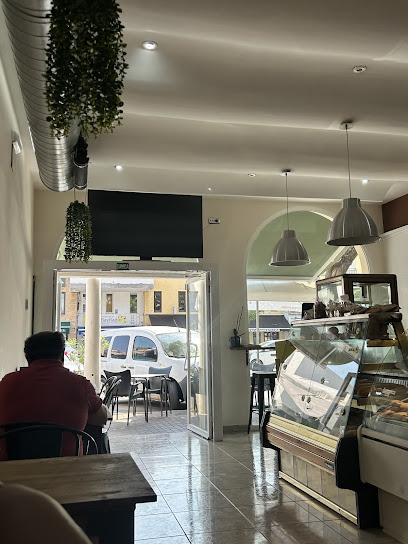
Karolida
★ 5 (80 Bewertungen · 2026-06-07)

Carú ArroceríaCarú Arrocería | Arroces y Paellas en el Puerto de Jávea
★ 5 (47 Bewertungen · 2026-06-07)
Keine WebsiteCatering4u
★ 5 (27 Bewertungen · 2026-06-07)
SAÓ Mediterráneo
★ 5 (26 Bewertungen · 2026-06-07)
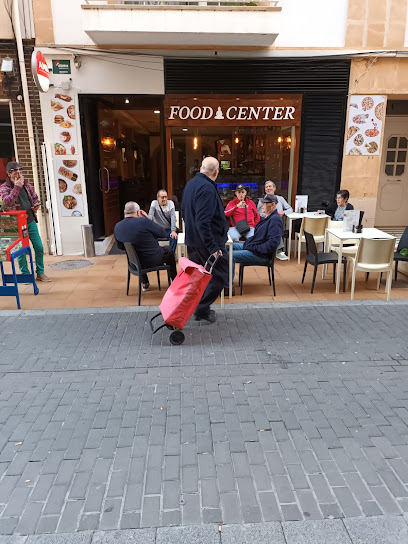
Restaurante Food Center
★ 5 (22 Bewertungen · 2026-06-07)
Keine Website