Carpenters in Jávea: joinery, built-ins and repairs
Old-town townhouses with doorways nothing standard quite fits, villas with sun-battered shutters and built-in wardrobes that never got finished — Jávea keeps its carpenters busy on jobs that rarely match a catalogue measurement. Here's how to find one worth trusting, what a fair quote looks like, and what Spanish wood-fittings actually have to contend with.

A trade that never runs short of work
Between centuries-old Old Town townhouses, 1970s villas on the Montgó hillsides and a steady stream of reforms and holiday-home refits, Jávea's carpenters rarely sit idle. Much of the work isn't glamorous — a shutter that's stopped closing properly, a built-in wardrobe that needs finishing, a door that swelled slightly and now sticks — but it's the kind of steady, unglamorous demand that keeps skilled tradespeople busy and, in turn, sometimes hard to book at short notice.
What carpentry work in Jávea actually involves
Bespoke joinery is more common here than off-the-shelf fitting, particularly in older properties where door and window openings were never built to a standard size — a carpenter measuring for a replacement door in an Old Town townhouse is doing a different job to fitting a flat-pack wardrobe in a new-build. Exterior work is its own category too: persianas (roller or hinged shutters) take a battering from strong sun and salt air, and replacing or repairing them is one of the most common jobs going. A good local carpenter will know instinctively which jobs need bespoke measuring and which don't.
How to choose a carpenter
A short checklist separates a solid choice from a gamble:
- Ask to see recent work similar in scale to your job, ideally in person rather than just photos
- Confirm whether they handle bespoke measuring for non-standard openings, common in older properties
- Check they're registered and insured — ask directly and expect documentation without hesitation
- Ask about timber and finish choices suited to strong sun and dry summers, not just what looks good in the showroom
- Confirm whether installation is included in the quote or billed separately from the joinery itself
Getting a job booked, in order
A sensible approach for a first carpentry job:
- Get a site visit before any quote — measurements matter more here than for standard-sized work elsewhere
- Ask for an itemised quote covering materials, labour and finish separately
- Agree a timeline, allowing for the fact that bespoke pieces take longer than off-the-shelf fitting
- Confirm a payment schedule tied to progress rather than a large sum upfront
- Inspect the finished work before final payment, particularly fit and function on doors and shutters
Why quotes differ so much
Material, scale and finish move the price enormously — a straightforward shutter repair and a full set of bespoke fitted wardrobes sit at very different price points. What's worth asking upfront is whether the quote is itemised by materials, labour and finish, and whether bespoke measuring for a non-standard opening is included or an extra charge.
Wood, sun and the Mediterranean climate
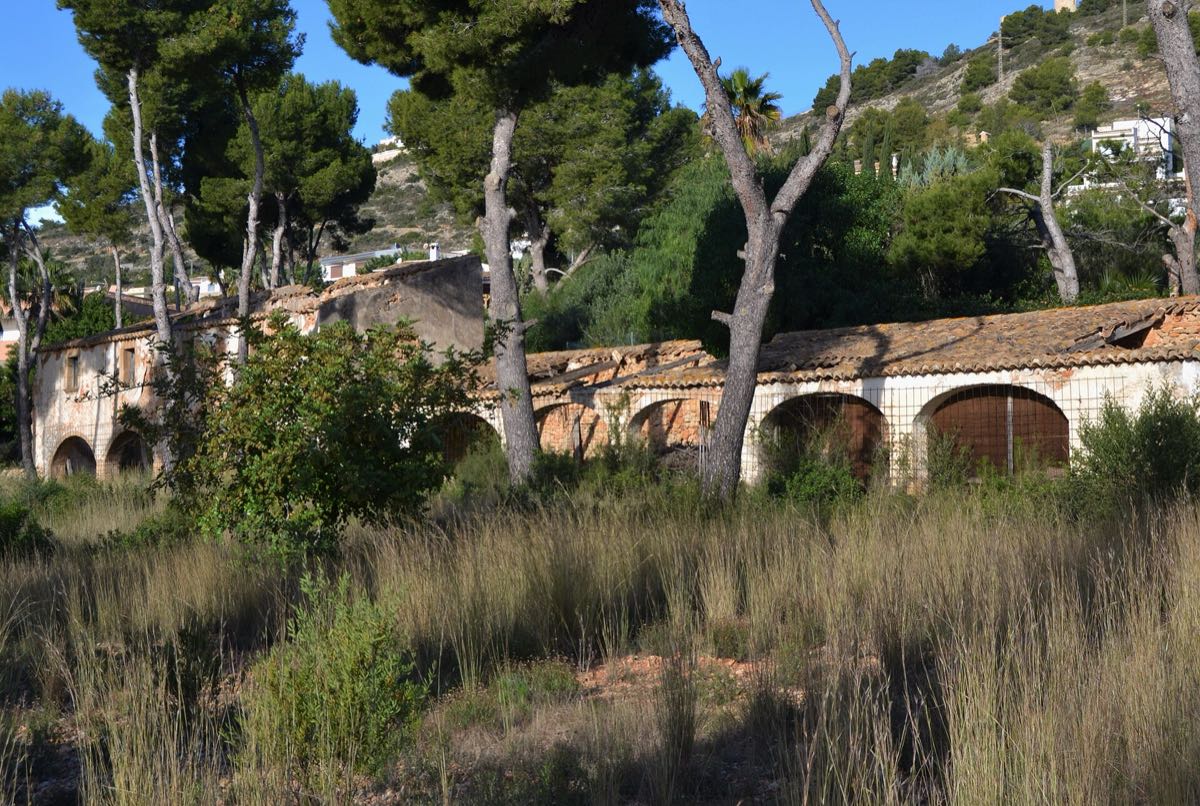
Timber here contends with a different set of stresses to a damp, temperate climate — less risk of rot from constant moisture, but real risk of drying, cracking and fading from sustained strong sun, particularly on south- and west-facing exterior woodwork. A carpenter who knows the local conditions will usually steer you toward a timber species and finish suited to that reality rather than whatever's cheapest to source, and it's a fair question to ask directly if it isn't raised.
The English-speaking angle
Many carpenters working the international end of the market — villa refits, holiday-home fit-outs — are comfortable communicating in English, though smaller local workshops vary. Bringing a photo reference or a rough sketch for a bespoke piece removes most of the ambiguity a purely verbal description leaves, whatever language the conversation happens in.
Red flags worth noticing
Most carpenters here are straightforward tradespeople, but a few patterns are worth treating with caution: reluctance to visit the site before quoting on a bespoke job, no willingness to itemise materials versus labour, and pressure for a large payment before any work has started. None of these are dramatic alone, but together they're worth listening to.
The joinery numbers worth knowing
Finding a carpenter worth the site visit
Listings are review-ranked, not paid-for — shortlist from them, then judge the site visit, the quote and the timeline.
Quick answers
Do old-town properties really need bespoke carpentry? Often, yes. Many Old Town and older village-centre properties have door and window openings that were never built to a standard modern size, so a carpenter measuring for a replacement is usually doing bespoke work rather than fitting an off-the-shelf item. It's worth confirming this upfront rather than assuming a standard product will simply fit.
How long does bespoke carpentry work usually take? Longer than off-the-shelf fitting, and timelines vary by material availability and workshop backlog as much as by the job's complexity. A carpenter should give a realistic estimate at the quoting stage — treat a suspiciously fast turnaround on a bespoke piece with some caution rather than relief.
Places in this guide
Redwood Solar S.L.
★ 5 (110 reviews · checked 7 Jun 2026)

BonCasa Costa Blanca
★ 5 (55 reviews · checked 7 Jun 2026)
General Pools
★ 5 (11 reviews · checked 7 Jun 2026)

Alu-Xabia
★ 5 (10 reviews · checked 7 Jun 2026)

CHC Dénia Jávea S.L.
★ 5 (8 reviews · checked 7 Jun 2026)
No websiteCiscaro
★ 5 (7 reviews · checked 4 Aug 2026)
Claimed listingBrowse all Services in the directory →
Run one of these businesses? Claim your listing free →
💬 Share this guide on WhatsApp
You've just read the free guide — this is the working version you take with you.
Was this guide useful?