The Spanish property and admin glossary for Jávea
A plain-English glossary of Spanish property and paperwork terms, from escritura and arras to padrón and ITV. What each one means for you in practice, and the gotchas — deliberately without a single rate, fee or price to go out of date.
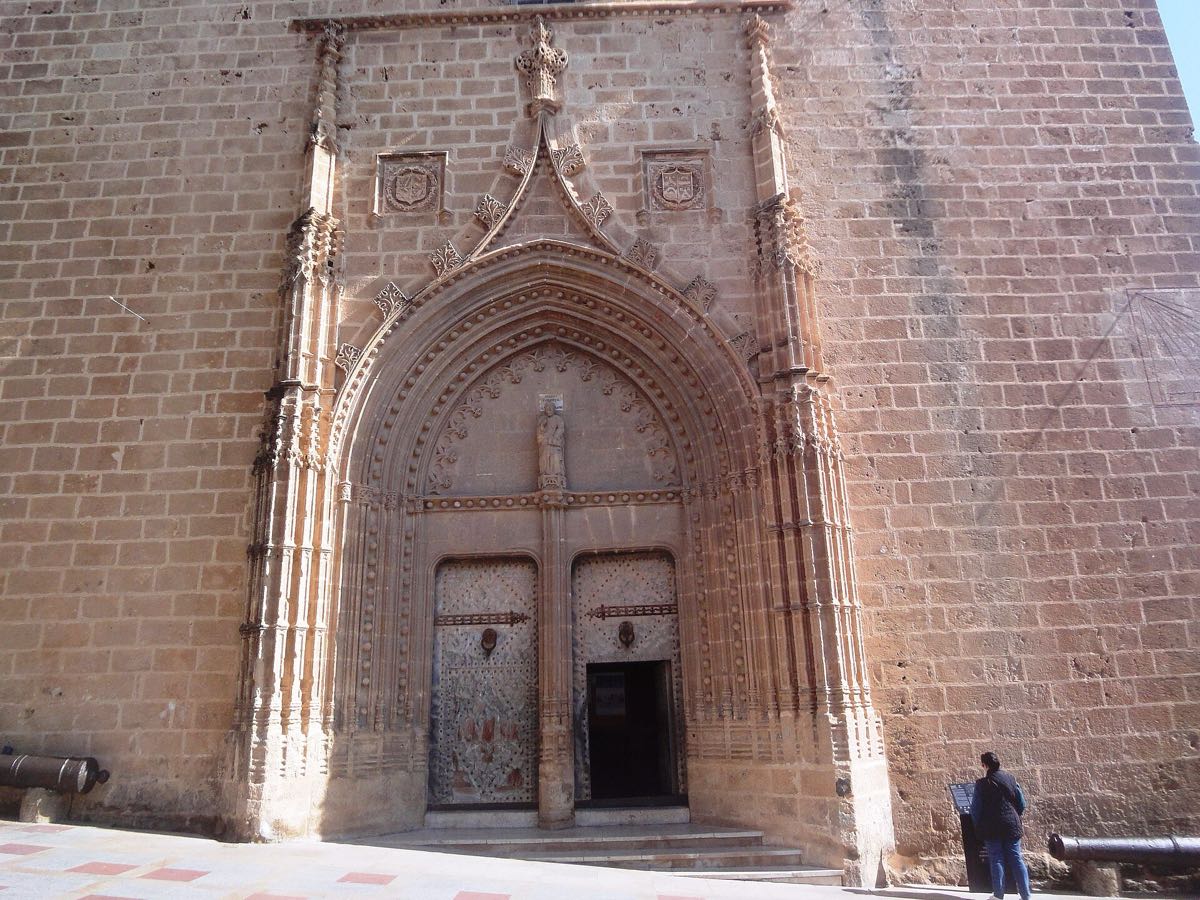
Why Spanish paperwork earns its own phrasebook
Every foreign buyer and resident in Jávea eventually collects the same small stack of Spanish words — some legal, some administrative, some simply the vocabulary of daily life — that never quite translate cleanly into English. This glossary gathers the ones that matter: what each term literally is, what it means for you in practice, and the occasional gotcha. What it deliberately does not do is quote you a rate, a fee or a price — those figures move with the law, the season and your own circumstances, and the only sensible place to get them is from a licensed professional working on your specific case. Treat this page as the map that tells you which word to ask a lawyer, gestor or notary about next, not a substitute for asking them.
Buying and selling: the words on your escritura
A Spanish property purchase runs on its own vocabulary from the first viewing to the final signature, and most of it appears on paper only once — right when you most need to understand it. Here is the core set, roughly in the order you'll meet them.
- Escritura — the notarised deed of sale, signed before a notario, that formally transfers ownership. Gotcha: signing it is not the finish line — it still needs registering.
- Nota simple — a short official extract from the Land Registry showing who owns a property, its size, and any charges attached. Gotcha: always request a fresh one before signing anything — an old copy can hide a new mortgage.
- Arras — the private reservation contract, usually signed with a deposit, that fixes the price and completion date ahead of the notary appointment. Gotcha: arras deposits are traditionally forfeit if the buyer pulls out and doubled back if the seller does — read the small print, because not every contract works that way.
- ITP (Impuesto de Transmisiones Patrimoniales) — the transfer tax charged on most resale purchases in the Valencian Community. Gotcha: it's banded and periodically revised, so treat any number you hear as a rough guide until it's confirmed for your specific purchase.
- Plusvalía — a local council tax on the increase in a property's land value since it last changed hands, usually paid by the seller. Gotcha: it's calculated by the town hall, not your lawyer, and can surprise sellers who've held a property for decades.
- Tasación — a professional valuation, most often commissioned by a bank ahead of a mortgage, which can differ from the agreed sale price. Gotcha: a low tasación can shrink the mortgage a bank will actually lend.
- Registro (de la Propiedad) — the Land Registry, the official record of ownership and charges; registering the escritura here is what makes ownership binding on third parties. Gotcha: there's a gap between signing and registering — a good lawyer closes it quickly.
- IVA — VAT, charged instead of ITP on new-build purchases bought directly from a developer.
- AJD (Actos Jurídicos Documentados) — stamp duty charged alongside IVA on new builds, and on mortgage deeds generally.
- Poder notarial — a power of attorney, letting a lawyer or gestor act on your behalf for the parts of a purchase (or an NIE application) you can't attend in person.
- Cargas — charges or liens registered against a property, from an unpaid mortgage to a right of way. Gotcha: cargas travel with the property, not the seller — clear them before completion, not after.
Renting: fianza, aval and the rest of the contract
Jávea's rental market has its own short vocabulary, and knowing it before you view a property saves an awkward conversation later about what you thought you'd agreed.
- Fianza — the statutory deposit, one month's rent on a standard housing tenancy, which the landlord is legally required to lodge with the regional authority.
- Aval — an additional guarantee a landlord may request on top of the fianza, sometimes a bank guarantee, sometimes extra months held in reserve.
- Contrato de alquiler — the rental contract itself; get rent, deposit, who pays what and the inventory written into it rather than agreed verbally.
- LAU (Ley de Arrendamientos Urbanos) — the tenancy law governing long-term residential lets and setting a tenant's minimum security of tenure. Gotcha: it doesn't apply to genuine seasonal or holiday contracts — check which kind you're signing.
- Vivienda habitual — a 'usual home' tenancy under the LAU, as opposed to a shorter seasonal or holiday let. Say this phrase explicitly to an agent if that's what you need.
- Inquilino / arrendatario — the tenant, in the language your contract will actually use.
- Casero / arrendador — the landlord, in the same contract language.
- Inventario — the signed, ideally photographed, list of everything in a furnished property; it's your best protection for getting the fianza back in full.
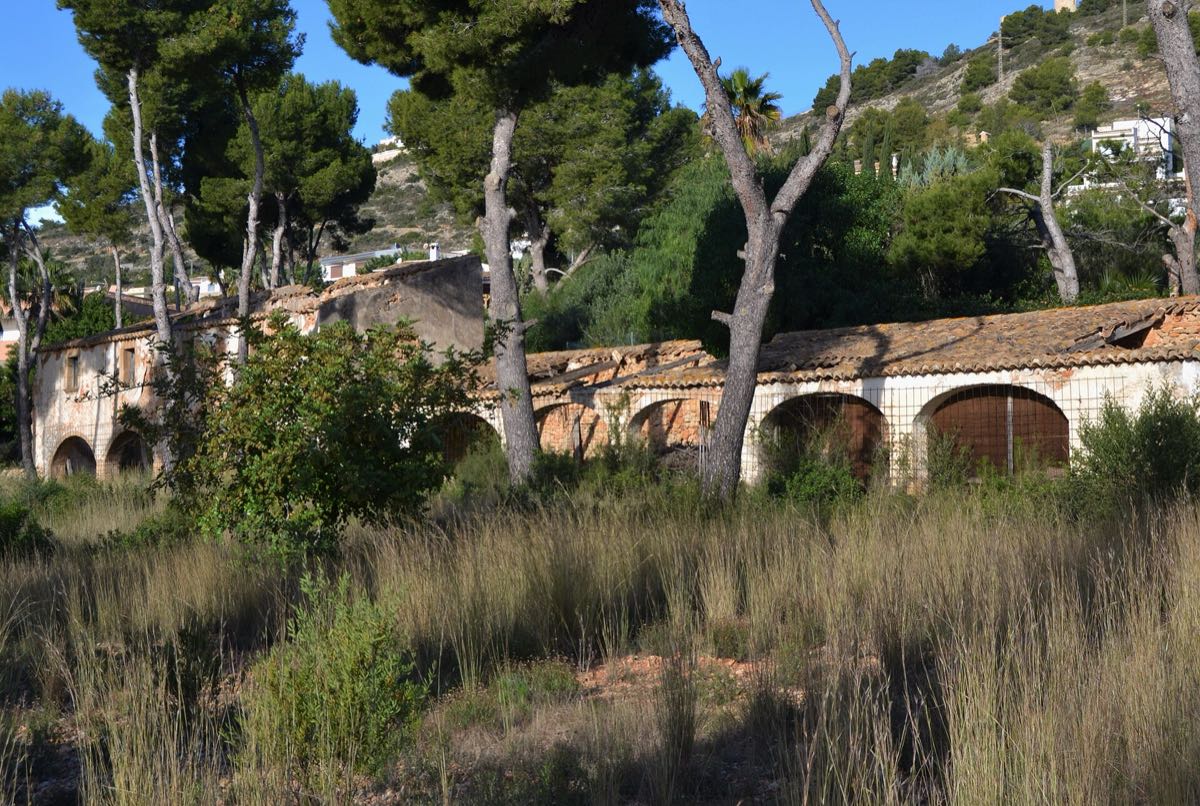
Building and land: what your property actually is
Away from the sale itself, a second layer of vocabulary describes what kind of land or building you're dealing with — and it can matter as much as the price.
- Urbanización — a residential development or estate, often on former countryside, usually with shared roads, lighting or a pool maintained collectively by the owners.
- Rústico — land classified as rural or rustic, where building rights are heavily restricted whatever a seller may imply. Gotcha: a charming rustic plot with a 'house' on it can mean that house was never properly licensed.
- Urbano — land classified as urban or developable, where ordinary planning and building rules apply.
- Cédula de habitabilidad — the habitation certificate confirming a home meets minimum standards to be lived in, connected to services, and in some cases let out.
- Licencia de obra — the building or works licence from the town hall, needed before structural work or an extension; cosmetic work usually needs a lighter licencia de obra menor instead.
- Catastro — the separate cadastral register (distinct from the Land Registry) recording a property's boundaries, size and reference number for tax purposes. Gotcha: catastro and registry descriptions of the same property don't always match — worth resolving before you buy.
- IBI (Impuesto sobre Bienes Inmuebles) — the annual local property tax, Spain's rough equivalent of council tax, billed against the catastro value.
- Comunidad de propietarios — the owners' association for a building or urbanización, which sets and collects community fees for shared areas and upkeep.
- Parcela — a plot or parcel of land, with its own catastro reference and boundaries.
- Superficie construida / útil — built area versus usable interior area; the two figures on a listing can differ meaningfully, so ask which one you're being quoted.
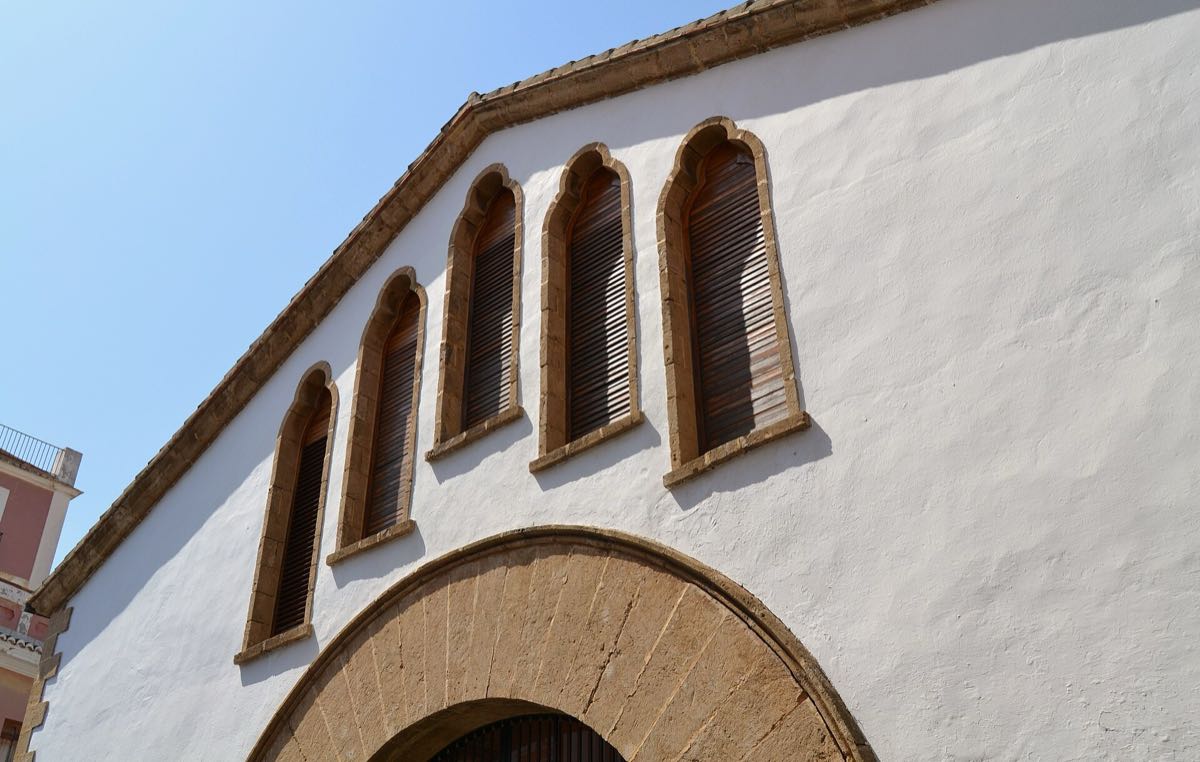
Paperwork and people: who does what
Behind every Spanish transaction sits a small cast of documents and professionals, each with a specific job. Knowing who does what saves you asking the wrong person the right question.
- NIE (Número de Identidad de Extranjero) — the foreigner's identification number needed for essentially any transaction involving money in Spain.
- Padrón — the municipal register of who lives where, kept at the Ajuntament; it underpins school places, healthcare access and much more.
- Empadronarse — the verb for registering on the padrón; a task to complete, not a status you're born into.
- TIE (Tarjeta de Identidad de Extranjero) — the physical residency card non-EU nationals carry once officially resident.
- Gestoría / gestor — a licensed administrative professional who handles paperwork, appointments and filings on your behalf. Not a lawyer, but often the difference between a smooth process and a stalled one.
- Notario — the notary, a state-appointed official who witnesses and formalises major transactions like a property sale. Gotcha: a notario protects the legality of the deed, not specifically your interests as buyer — that's what your own lawyer is for.
- Funcionario — a civil servant, generally found behind the desk at any public office; patience and politeness go a long way.
- Cita previa — the pre-booked appointment almost every Spanish public office now requires before you can be seen. Gotcha: slots can vanish fast in busy seasons — try first thing in the morning if a system says nothing is available.
- Traducción jurada — a sworn, certified translation, sometimes required for foreign documents like birth certificates or degrees to be accepted by Spanish authorities.
Banking and money: the everyday vocabulary
Once you have a Spanish account, a small set of words describes how money moves — none of them complicated, all of them worth knowing before your first bill arrives.
- IBAN — the standard bank account number format used across Spain and the EU; a Spanish IBAN starts with ES. Gotcha: giving the wrong format to a UK-based sender can delay a transfer by days.
- Comisiones — bank fees and commissions, from account maintenance to card charges. Ask directly what makes an account free, because the answer is rarely automatic.
- Domiciliación — a direct debit, the default and expected way Spain pays for electricity, water, road tax, community fees and more.
- Bizum — an instant bank-to-bank payment system built into Spanish banking apps, widely used for splitting bills and paying people rather than businesses.
- Cuenta de residente / no residente — the two account types Spanish banks offer, with different paperwork and usually different fees.
- Transferencia — a bank transfer; for a large sum, such as a deposit or a currency move, a specialist transfer service will usually beat your own bank's exchange rate.
Health and driving: SIP, ITV and the permiso
Two more short lists cover the words you'll meet keeping yourself, and your car, roadworthy.
- SIP — the public-health ID card that identifies you across every public healthcare facility in the Valencian Community.
- Centro de salud — the local health centre, your first port of call for public healthcare and onward referrals.
- Seguridad Social — Social Security, the system that, via contributions or reciprocal agreements, underpins entitlement to public healthcare and pensions.
- ITV (Inspección Técnica de Vehículos) — Spain's periodic roadworthiness test, the equivalent of the UK's MOT, carried out at dedicated test stations rather than local garages.
- Permiso de conducir — a driving licence; EU licences are valid as-is, while others may need exchanging through the DGT once you're resident.
- Farmacia de guardia — the duty pharmacy, part of a rota that keeps at least one pharmacy open out of hours in every area.
Everyday Spanish: the words that don't fit a form
Some words never appear on an official document at all, but you'll hear them constantly and life runs more smoothly once you know them.
- Menú del día — the weekday set lunch menu, usually several courses plus a drink, and one of Spain's great everyday habits.
- Festivo — a public holiday; Spain layers national, regional and municipal festivos, so a shop can be shut in Jávea on a date that's a normal working day elsewhere in the country.
- Puente — literally a 'bridge': when a public holiday falls close to a weekend and the day in between is unofficially taken off too, stretching it into a long weekend.
- Siesta — the midday closing many shops and offices still observe, particularly outside the height of summer tourist hours.
- Terraza — a café or restaurant's outdoor seating; asking for a table 'en la terraza' is a normal, welcomed request.
- Mercadillo — a street market, like Jávea's Thursday market in the old town.
- Casco antiguo — the old town or historic centre of a town.
- Chiringuito — a casual beach bar, often seasonal, serving drinks and simple food a few steps from the sand.
- Fiesta patronal — a town or neighbourhood's patron-saint festival, the anchor of the local fiesta calendar.
- Sobremesa — the lingering conversation at the table after a meal has finished, treated, unofficially, as part of the meal itself.
How to use this glossary without becoming a lawyer
None of this replaces professional advice, and it isn't meant to. The purpose is smaller and more useful day to day: so that when a document, an agent or an official uses one of these words, you know roughly what's being asked of you and can ask a sharper follow-up question. Spanish bureaucracy rewards people who arrive with the right vocabulary and a folder of paperwork, not people who arrive fluent. Keep this page open on your phone at your next notary appointment, bank visit or town-hall errand, and use it exactly like a phrasebook — to understand the conversation, then hand the details to the professional whose job it is to get them right.
Quick answers
Do I need to speak Spanish to buy or rent in Jávea? No — decades of international residents have built a deep bench of English-, German- and Dutch-speaking lawyers, gestores and agents here, and many notaries and banks are well used to non-Spanish-speaking clients. That said, knowing the handful of terms in this glossary helps you follow what's happening in your own transaction, ask sharper questions, and notice if a translation has quietly dropped a detail. You don't need fluency — you need the vocabulary of your own paperwork.
What's the difference between a gestor and a lawyer (abogado)? A gestor is a licensed administrative professional who handles paperwork, filings and appointments efficiently and often cheaply — booking a cita previa, submitting tax forms, chasing a licence. A lawyer (abogado) gives legal advice, checks title and contracts for risk, and represents your interests if something goes wrong. Many routine tasks only need a gestor; buying a property, signing a long lease or anything carrying legal risk deserves an independent lawyer as well. A good gestoría will tell you honestly when a job needs a lawyer instead of them.
Why doesn't this glossary give exact tax rates or fees? Because they change — with the regional budget, the property's price band, the type of contract, and the year you happen to be reading this — and a wrong number is worse than no number at all. What's stable is what each term means and what it's for; what moves is the figure attached to it. Every guide on this site that touches money says the same thing for the same reason: confirm the current rate or fee with a lawyer, gestor or bank before you rely on it.
Places in this guide

Aventura-T Kayak en Jávea
★ 5 (344 reviews · checked 7 Jun 2026)

The Vets Jávea
★ 5 (291 reviews · checked 7 Jun 2026)

Atina
★ 5 (183 reviews · checked 7 Jun 2026)
Redwood Solar S.L.
★ 5 (110 reviews · checked 7 Jun 2026)

Vive Jávea
★ 5 (88 reviews · checked 7 Jun 2026)
Sonia Garcia Comunicación
★ 5 (72 reviews · checked 7 Jun 2026)
Browse all Services in the directory →
Run one of these businesses? Claim your listing free →
💬 Share this guide on WhatsApp
You've just read the free guide — this is the working version you take with you.
Was this guide useful?