Property taxes for owners in Jávea: IBI and non-resident tax
Owning in Jávea comes with two recurring bills, and both are easy to miss from abroad: the local IBI tax collected by SUMA and, for non-residents, an annual declaration on the property whether or not you rent it out. What you owe and when.
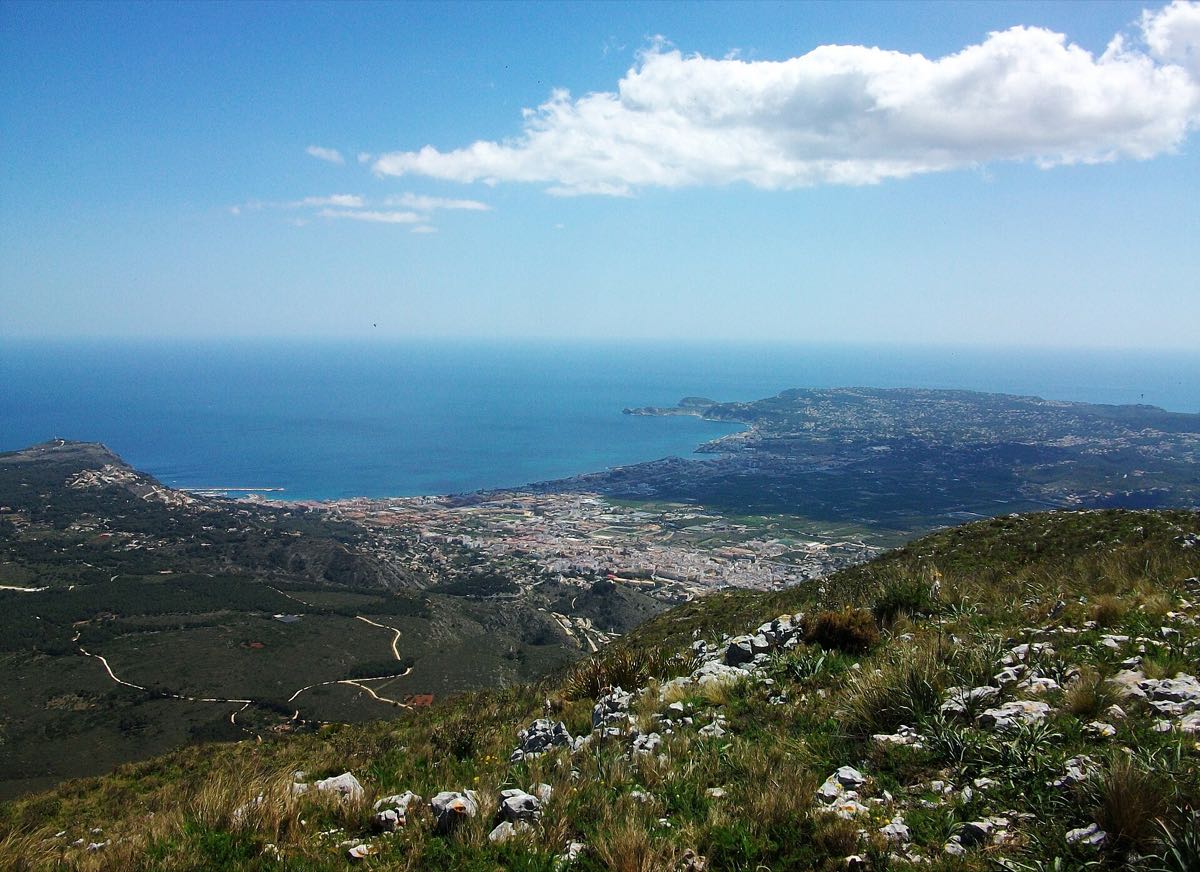
Two bills every owner should know
Owning a home in Jávea comes with a short, predictable list of recurring tax obligations, and the honest news is that once you understand the shape of it, it runs on rails. The two that matter most are IBI — the local property tax every owner pays regardless of residency — and, for non-residents, an annual Modelo 210 declaration to the Spanish tax authority. Miss either one for long enough and the consequences range from a late-payment surcharge to, eventually, a lien on the property — so this is worth setting up properly in year one rather than treating as an afterthought.
IBI: the annual local tax
IBI is charged by the town hall (via SUMA, the Alicante provincial agency that collects it on Jávea's behalf) on every property in the municipality, resident-owned or not. The bill is calculated from the valor catastral — an administrative value set by the land registry, usually well below market price — multiplied by a rate the council sets each year. The rate itself varies by municipality and can change annually, so treat any figure you're quoted as a guide rather than gospel and confirm the current one with SUMA or your gestor.
The mechanics, if you want them
How the IBI bill is actually worked out
IBI isn't a flat fee — it's calculated from your property's valor catastral (an administrative value set by the land registry, usually well below market price), multiplied by a rate the council sets each year:
- The valor catastral comes from the land registry, not the sale price — it's typically well under what the home would fetch.
- The council rate varies by municipality and can change annually.
- SUMA (the Alicante provincial agency) collects it on Jávea's behalf.
Treat any figure you're quoted as a guide, not gospel — confirm the current rate with SUMA or your gestor.
Setting up SUMA and staying ahead of it
SUMA sends the bill to whatever address is on file, which is precisely the problem for owners who split their time between countries — a paper notice to an empty villa achieves nothing. The fix is simple and nearly every long-term owner ends up doing it: register for direct debit (domiciliación) so the payment happens automatically from a Spanish bank account, and keep your contact details current with SUMA directly rather than assuming your gestor or agent will chase it for you.

Non-resident tax: imputed income vs rental income
This is the bill that catches people out, because it applies even if the property sits empty all year. Spain treats a non-resident's second home as generating a notional benefit — imputed income — and taxes a small percentage of the catastral value annually via Modelo 210, filed once a year for the whole period the property wasn't rented. If you do let the property, the calculation changes: you're taxed on actual rental income instead, at a rate that depends on your tax residency, with EU/EEA residents generally taxed more favourably than non-EU residents — confirm your exact rate and any allowable deductions with a gestor, since the rules and rates are reviewed periodically.
Filing Modelo 210, step by step
The mechanics are straightforward once you've done it once, which is exactly why most owners hand the first year to a gestor and then either continue with them or take it on themselves once they've seen the pattern:
- Gather the numbers — your property's valor catastral, found on the IBI receipt or the land registry
- Calculate the imputed (or rental) income — a gestor will do this correctly first time; DIY is possible but unforgiving of small errors
- File Modelo 210 — electronically, within the annual window that applies to your situation
- Pay the tax due — by direct debit or bank transfer, in the currency and account the form specifies
- Keep the filing confirmation — you'll want it if you ever sell, remortgage, or get asked to prove tax compliance
Above a certain value: wealth tax
Owners with high-value property, or significant assets in Spain more broadly, should also ask their gestor whether regional wealth tax (Impuesto sobre el Patrimonio) applies — the Valencian Community sets its own threshold and allowances, and they move. For the majority of ordinary villa and apartment owners this never bites, but it's a five-minute conversation worth having rather than assuming, especially if your circumstances change.
The costs that aren't technically tax
Community fees (for anyone in an urbanización or development with shared services — pools, gates, gardens), rubbish collection charges, and buildings insurance all arrive on a similar annual rhythm and get mentally filed under "the tax bill" by most owners even though they're not, strictly, taxes. Budgeting for all of it together, once a year, is the practical habit that keeps Jávea ownership from ever feeling like a surprise.
If a bill goes unpaid
Spain's tax administration is patient at first — a missed IBI payment typically triggers a reminder and a modest surcharge, not immediate drama. Left long enough, though, unpaid local tax can attach to the property itself rather than just the owner, which matters enormously if you come to sell: buyers' lawyers check for exactly this during due diligence, and an outstanding balance can hold up or unwind a sale at the worst possible moment. The honest fix is unglamorous: pay on time, keep records, and if you fall behind, deal with it directly rather than letting it compound.
Selling later: what changes
When you eventually sell, a non-resident seller has tax withheld at completion against any capital gain, reconciled afterwards once the actual gain is calculated — a different process again, and one your lawyer handles as part of the sale rather than something you file separately. It's worth knowing it exists now, even years before it's relevant, because it affects how you should be keeping receipts for any improvement works along the way.
Modelo 210 rates: where residency really bites
The rate structure behind the Modelo 210 is worth spelling out, because it splits cleanly on where you are tax resident. Owners resident in the EU or EEA pay 19% on rental income and may deduct expenses attributable to the letting — IBI, community fees, cleaning, repairs, agency commission — in proportion to the days actually rented. Owners resident outside the EU/EEA pay 24% on gross income with no deductions whatsoever — and post-Brexit that includes UK owners, who moved from the first camp to the second. The gap between 19% net and 24% gross is far larger than five points suggests once real costs are counted. Filing rhythms (quarterly versus annual) have been reformed in recent years, so confirm your current calendar with your gestor.
Quick answers
How much is IBI in Jávea? IBI is calculated as a percentage of the property's valor catastral, and the exact rate is set by Xàbia town hall and can change year to year — as a working guide it's a modest fraction of a per cent of that catastral value, not the market value, which keeps most bills lower than owners initially expect. The only reliable way to know your figure is to check your most recent SUMA receipt or ask SUMA directly, since two similar properties in different zones can carry different catastral values.
Do I have to pay tax if I don't rent my property out? Yes. Non-resident owners owe an annual Modelo 210 declaration on imputed income whether or not the property is ever rented — Spain treats ownership of a second home itself as generating a small notional benefit that's taxed. It's a modest sum for most ordinary properties, but it's easy to overlook precisely because there's no rental income to remind you it exists, which is the single most common tax mistake new owners make in their first year.
What happens if I sell without having filed my annual tax? It can complicate the sale. Buyers' lawyers routinely check for outstanding local tax and unfiled non-resident declarations during due diligence, and unresolved amounts can be deducted from completion proceeds or hold up the transaction while they're settled. Keeping every year's SUMA payment and Modelo 210 filing on record — even just as scanned PDFs in a folder — is the cheap insurance that avoids this becoming a problem years down the line.
Did Brexit change my Spanish property tax as a UK owner? Yes, materially. Before Brexit, UK owners sat in the EU camp: 19% on rental income with expenses deductible. Since leaving, they are taxed as non-EU owners — 24% on gross rental income, with no deductions for IBI, cleaning, agency fees or anything else — which can substantially reduce the real return on a let property. The imputed-income charge on an unrented home is likewise calculated at the higher rate. Two mitigations remain: the UK–Spain Double Taxation Agreement stays in force, so Spanish tax paid can generally be credited against UK tax on the same income, and good record-keeping still matters for the eventual sale. A cross-border adviser can model your specific position in one session.
Places in this guide

Tomás Ballestero
★ 5 (72 reviews · checked 7 Jun 2026)

Andrada Ocasión
★ 5 (71 reviews · checked 7 Jun 2026)

Seguros Ocaso
★ 5 (20 reviews · checked 7 Jun 2026)

PD ASSESSORS
★ 5 (13 reviews · checked 7 Jun 2026)
No website
Allianz Seguros
★ 5 (9 reviews · checked 7 Jun 2026)
Vera-Cruanyes Asesores
★ 5 (6 reviews · checked 7 Jun 2026)
Browse all Services in the directory →
Run one of these businesses? Claim your listing free →
💬 Share this guide on WhatsApp
You've just read the free guide — this is the working version you take with you.
Was this guide useful?