Jávea vs Calpe: which Costa Blanca town suits you?
Calpe has the postcard rock and the high-rise skyline to go with it; Jávea has spread, coves and a lower roofline. Both work — it depends whether you want a landmark view or elbow room.
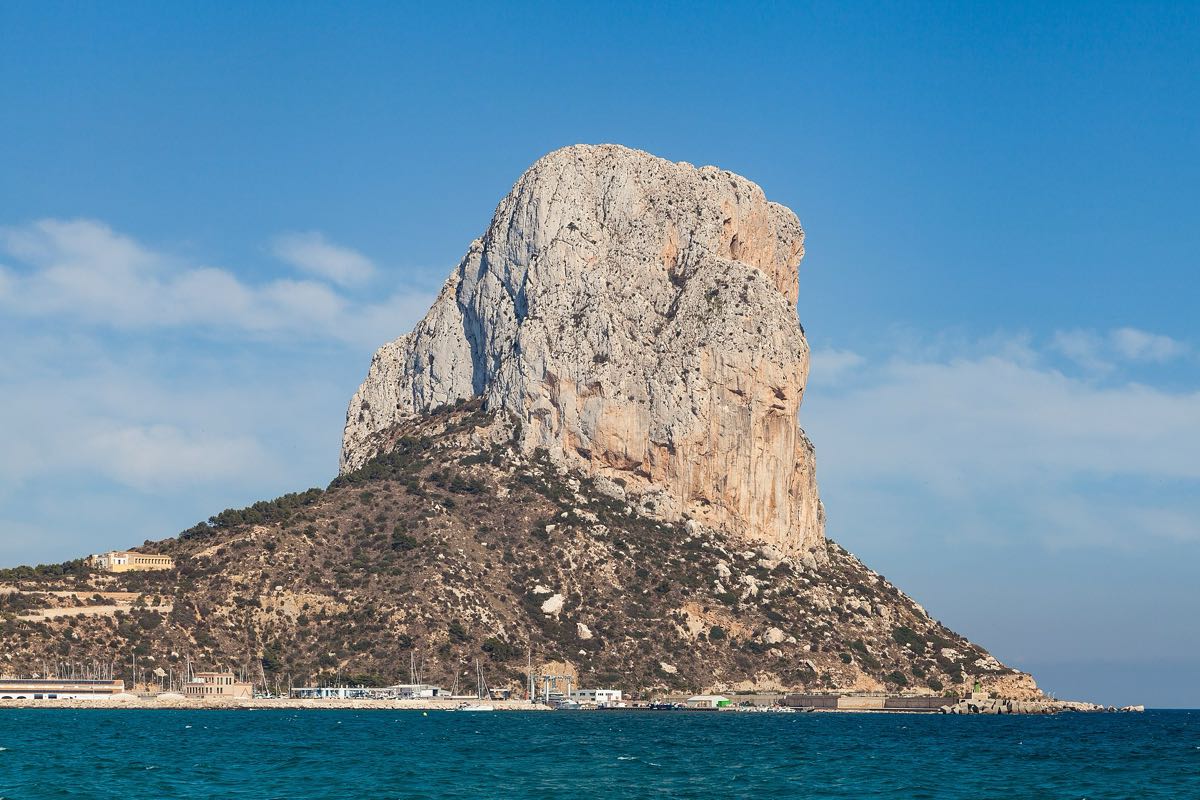
One skyline, one spread-out town
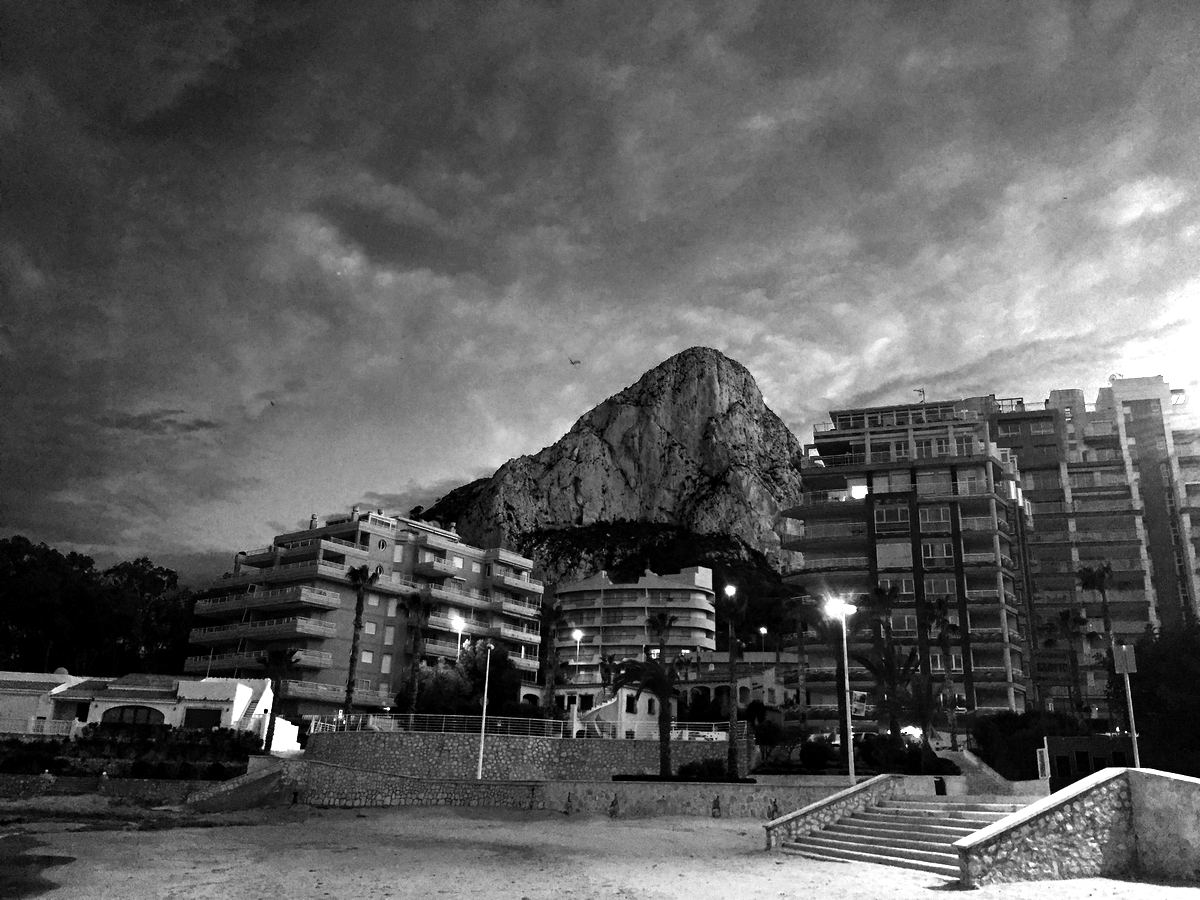
The two towns announce themselves completely differently, and the difference starts before you've even parked the car. Drive towards Calpe and the Penyal d'Ifac dominates the view for miles before you arrive, its limestone bulk rising straight out of the sea with a cluster of high-rise apartment blocks at its foot — a dramatic approach, and one this coast doesn't otherwise offer anywhere else nearby. Jávea gives you no equivalent single moment; instead it unfolds gradually across three separate zones, none of them dominated by tall buildings, all of them low-rise by choice and by planning restriction that's held firm for decades. Calpe trades subtlety for spectacle. Jávea trades spectacle for spread. Both are legitimate ways to build a coastal town, and both have loyal defenders who wouldn't swap.
Beaches: sand and scale versus coves and cliffs
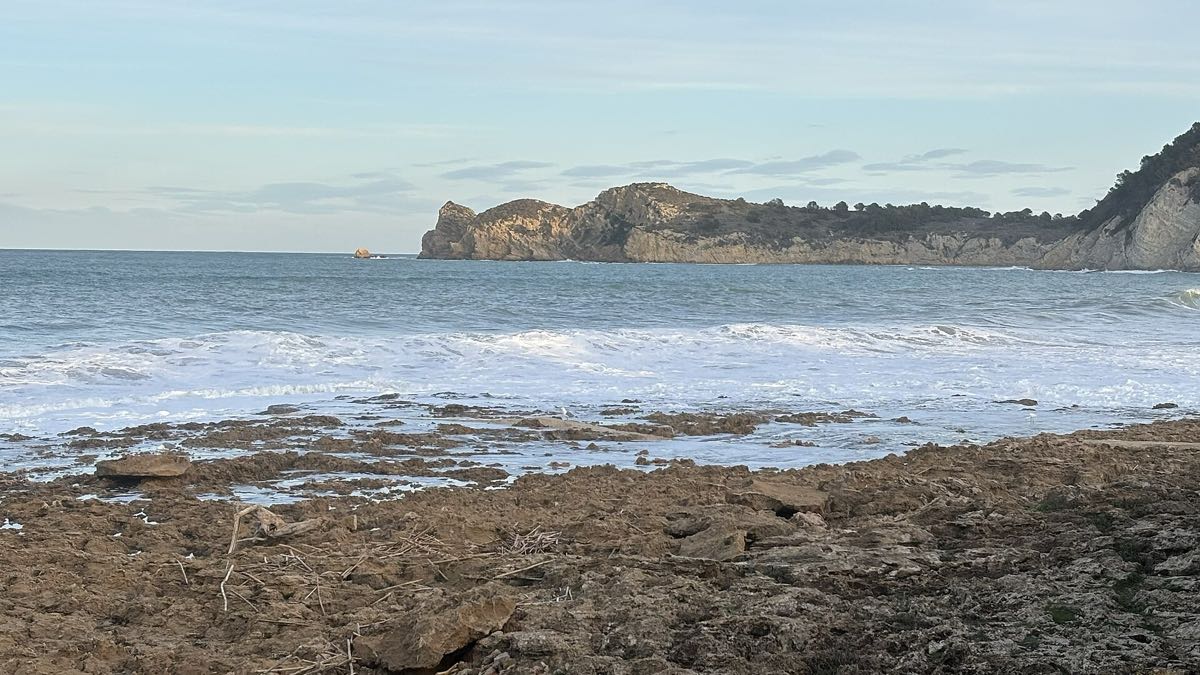
Calpe does big, easy, sandy beaches well — Playa Arenal-Bol and Playa La Fossa are long, flat, well-serviced strands that handle serious summer crowds without much fuss, backed by that unmistakable rock at one end of the bay. Jávea's beaches are more varied and generally smaller: the sandy Arenal strip, then a run of rocky coves towards the Cap de la Nao and Granadella that need more effort to reach and reward it with clearer water and far fewer people once you're there. If you want a straightforward, generously sized beach day with everything laid on, Calpe wins on convenience; if you'd rather cove-hop and don't mind scrambling down a path for the view, Jávea wins on character.
Dining and the tourist-town question
Calpe's dining scene leans hard into its harbour views — plenty of solid fish restaurants around the port looking straight up at the rock, alongside a dense strip of holiday-crowd dining nearer the beaches that's more about volume and location than culinary ambition. Jávea's food scene is smaller in raw numbers but arguably more consistent in quality, particularly at the port and in the old town, where a good proportion of the trade is local and year-round rather than purely seasonal footfall. Neither town will disappoint you for a week's holiday; Jávea rewards repeat visits and regulars a little more than Calpe tends to.
Walkability and everyday texture
Calpe's centre is walkable — old town, seafront promenade and much of the accommodation stock sit within a manageable stroll of each other, helped by the town's more compact, vertical footprint that packs more into less ground. Jávea spreads its three zones far enough apart that walking between them isn't realistic day to day, though each zone is pleasant on foot in its own right once you're actually there. The trade-off is density versus character: Calpe fits more into a smaller footprint by building up, while Jávea's insistence on staying low-rise means more driving but a distinctly less urban, more residential feel running through the whole town.
Transport and access
Both towns rely on the road network rather than rail — neither has a train station — so a car, taxi or the local bus service is the practical answer to getting around in either place. Calpe's more compact layout means less driving is needed once you're settled in, since the beaches, old town and much of the accommodation sit close together, while Jávea's three-zone spread makes a car considerably more useful for daily life. Both are comparable distances from Alicante airport, so the airport-transfer calculation doesn't meaningfully favour either town — the difference again is entirely local, in how far you'll drive on an ordinary day rather than on the way in or out.
Community and identity
Calpe's apartment-led housing stock draws a different crowd from Jávea's villa suburbs — a larger, more transient mix of owners and long-let tenants stacked into the high-rises, alongside a genuine working town underneath that keeps its own rhythm regardless of who's upstairs for the season. Jávea's low-rise sprawl produces the opposite dynamic: fewer neighbours per square kilometre, more distance between front doors, and a community that tends to form around each of its three zones rather than the town as a whole. Neither pattern is right or wrong, but anyone used to apartment-block living elsewhere in Spain will find Calpe familiar in a way Jávea, deliberately, isn't.
Property flavour and winter life
This is the starkest difference between the two. Calpe's high-rise apartment stock means a wide range of price points and a much larger supply of flats with sea views, generally cheaper per square metre than equivalent coastal villas elsewhere on this stretch of coast. Jávea has no high-rise at all — its market is villa- and townhouse-led, with fewer apartments and a qualitatively different, lower-density feel running through the whole town. Winter tells a similar story: Calpe keeps more visible year-round bustle thanks to its resident apartment population and functioning town centre, while Jávea quietens more noticeably at Arenal even as its old town and port hold a steadier pulse of their own.
- Pick Calpe if you want a landmark view, a wider range of apartment price points, and a compact, walkable centre with big, easy beaches.
- Pick Jávea if you want low-rise villa living, cove-led beaches, and a more spread-out, residential character without the high-rise skyline.
A brief word on the rock itself
It's worth understanding why the Penyal d'Ifac looms so large over any comparison with Calpe, because it genuinely shapes the town around it rather than simply decorating the skyline. The rock is a protected natural park, home to nesting seabirds and a scatter of plant species found almost nowhere else on this coast, and the settlement grew up specifically around the sheltered anchorage it creates on either side. Jávea has no single landmark playing that role; its identity is built from the accumulation of three separate places rather than one dominant feature, which is part of why first-time visitors often need longer to get their bearings than they do in Calpe, where the rock does half the orientation work for you the moment you arrive.
Quick answers
Is Calpe cheaper than Jávea? For apartments, generally yes — Calpe's larger high-rise stock creates more supply and a wider range of price points than Jávea, which has little to no high-rise housing at all. For comparable villas, the picture is closer, with both towns commanding similar prices for equivalent quality and position.
How far is Calpe from Jávea? About 35 minutes by car along the coastal road or the AP-7 motorway. It's a comfortable half-day trip from Jávea, popular for the walk up the Penyal d'Ifac or simply lunch by the harbour under the rock.
Can you walk up the Penyal d'Ifac from Calpe? Yes — it's a protected natural park with a managed path to the summit, and access can be limited during busy periods, so it's worth checking current arrangements and booking ahead in high season rather than assuming you can simply turn up and climb.
Places in this guide

Siesta Advisor
★ 5 (6,049 reviews · checked 7 Jun 2026)

Kanaloa Aventura
★ 5 (317 reviews · checked 7 Jun 2026)

TRX Live Xàbia
★ 5 (100 reviews · checked 7 Jun 2026)
No website
The Base Javea
★ 5 (90 reviews · checked 7 Jun 2026)

Espacio van Eijle
★ 5 (81 reviews · checked 7 Jun 2026)

Freediving Jávea
★ 5 (63 reviews · checked 7 Jun 2026)
Browse all Things to Do in the directory →
Run one of these businesses? Claim your listing free →
💬 Share this guide on WhatsApp
You've just read the free guide — this is the working version you take with you.
Was this guide useful?