Mare de Déu de Loreto — Jávea's port bids summer goodbye
From late August to 8 September the port turns out for its patroness: fishing boats carry the Virgin across the water, the quayside runs bous a la mar and rowing regattas, and the whole town watches the year's fireworks close over the bay.
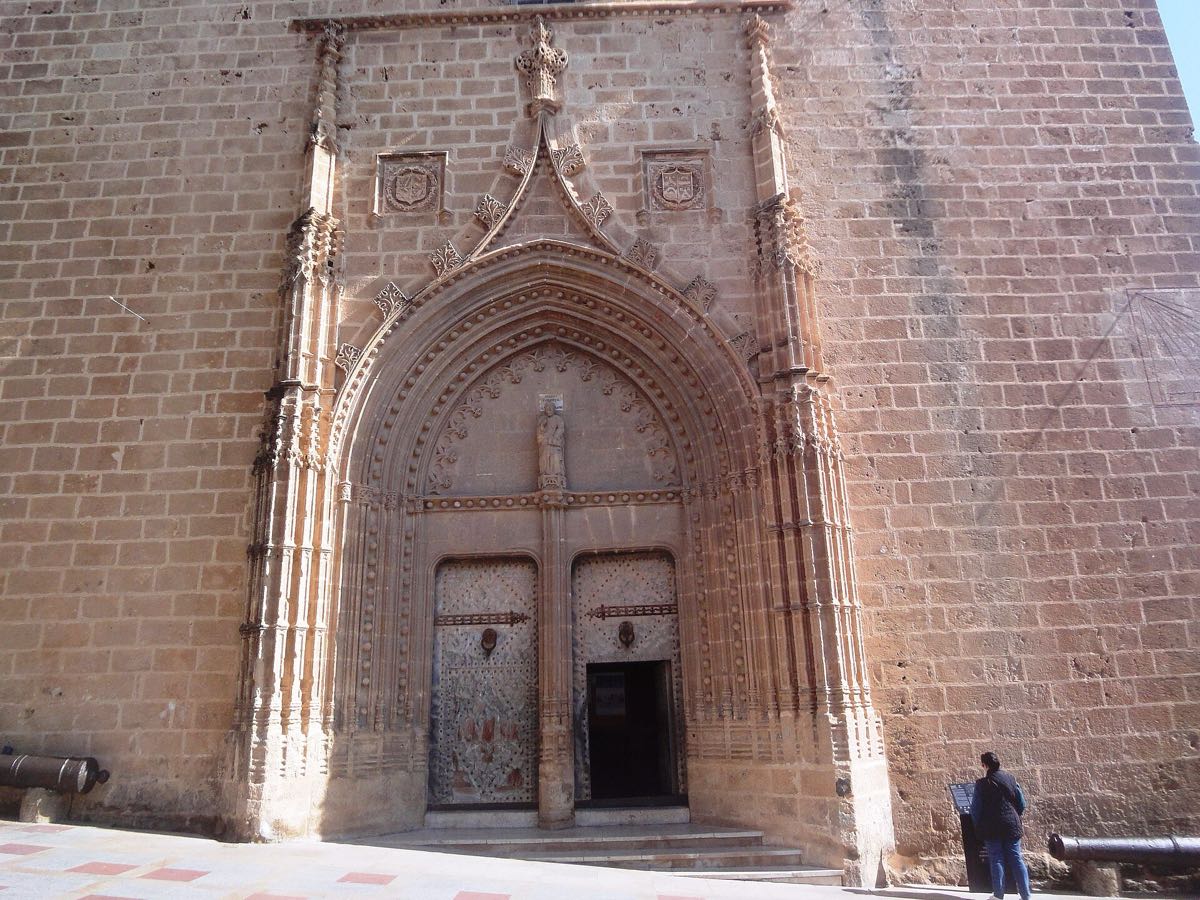
The fishing port's own fiesta
If Moros i Cristians is Jávea's loudest fiesta, Mare de Déu de Loreto is its most heartfelt. The port district — Duanes de la Mar — spends the last ten days of August and the first week of September honouring its patroness, the Virgin of Loreto, protector of the fishing fleet that still works this harbour every morning. It closes the town's long fiesta year on the water it's named for, and it's the one fiesta where you can feel, rather than just watch, how much the sea still matters to Jávea.
When it happens
The fiesta runs from late August into early September, closing on 8 September — the Virgin's fixed feast day, and the one date in this guide you can rely on. Everything around it — the opening days, the exact regatta and dinner schedule — is set annually and published closer to the time.
Where in Jávea
Everything centres on the port — the working harbour two kilometres from the old town and a world away from the Arenal's beach-holiday crowd. The quayside, the church of Nuestra Señora de Loreto and the water directly in front of the fishing fleet's moorings are where the fiesta actually happens.
Bous a la mar and the quayside events
Early days of the fiesta bring bous a la mar — 'bulls to the sea' — a quayside spectacle unique to Spain's fishing ports, alongside rowing regattas between local crews and the kind of long, communal trestle-table dinners that define every Jávea fiesta. None of this needs any Spanish to enjoy; turn up at the port in the evening and follow the crowd.
The maritime procession
The fiesta's emotional centre is the maritime procession: the image of the Virgin is carried out across the water aboard a flotilla of decorated fishing boats, escorted by dozens more, while the crowd watches from the quay. It is a genuinely moving thing to witness even without any religious stake in it — the fleet that works this harbour every ordinary morning turns out in full, for one afternoon, to honour the water it depends on.
The closing fireworks
The week closes with a firework display over the bay that the whole town turns out for — arrive at the port well before dark if you want anywhere to stand, since this is one of the best-attended nights of Jávea's entire fiesta calendar.
How to experience it as a visitor
A sensible plan for the week:
- Check the confirmed programme — only 8 September is fixed; the rest is published closer to the time
- Head to the port, not the beach — this fiesta happens at Duanes de la Mar, not the Arenal
- Watch the maritime procession from the quay — arrive early for a clear line to the water
- Stay for the fireworks — the closing night display over the bay is the week's best-attended moment
- Eat at the communal dinners if you can — open, sociable, and the most Jávea way to spend a fiesta evening
Crowds and noise: loud at the quay, quiet three streets back
The port has less capacity than the Arenal, so the closing nights get properly packed and parking near the quay all but disappears — walk or cycle down from the old town or wherever you're staying if you can. Noise is concentrated rather than spread across the town: loud right at the port, much quieter a few streets back, which makes it easier to choose your own volume than during Moros i Cristians.
Respect and etiquette
This is the most solemn of Jávea's major fiestas at its religious core, even though the surrounding week is as sociable as any other — keep that in mind during the maritime procession specifically, where quiet, respectful watching from the quay is the expected form. The bous a la mar and regatta days are far more relaxed and fine to enjoy loudly.
The fiesta at a glance
The reliable coordinates:
Quick answers
Is this the same fiesta as Moros i Cristians? No — they're Jávea's two biggest summer fiestas, but separate events a few weeks apart. Moros i Cristians is the mid-July mock battle at the Arenal beach; Mare de Déu de Loreto is the late-August-to-September port fiesta honouring the fishing fleet's patroness. Together with Sant Joan and Jesús Nazareno, they make up the backbone of Jávea's fiesta year.
Can I watch the maritime procession from a boat? Some years, informal opportunities exist if you know someone with a boat in the flotilla or escort fleet — but this isn't something the town organises for visitors, and turning up expecting a place on the water isn't realistic. The quayside gives an excellent view of the whole procession and is the sensible plan for almost everyone.
Places in this guide

Siesta Advisor
★ 5 (6,049 reviews · checked 7 Jun 2026)

Kanaloa Aventura
★ 5 (317 reviews · checked 7 Jun 2026)

TRX Live Xàbia
★ 5 (100 reviews · checked 7 Jun 2026)
No website
The Base Javea
★ 5 (90 reviews · checked 7 Jun 2026)

Espacio van Eijle
★ 5 (81 reviews · checked 7 Jun 2026)

Freediving Jávea
★ 5 (63 reviews · checked 7 Jun 2026)
Browse all Things to Do in the directory →
Run one of these businesses? Claim your listing free →
💬 Share this guide on WhatsApp
You've just read the free guide — this is the working version you take with you.
Was this guide useful?