Moving to Jávea from the Netherlands: what to expect
The Dutch need no visa to move to Jávea, just patience for the NIE and padrón appointments — then they join one of the coast's most visible Dutch communities, delis and estate agents included. The paperwork path, the money and healthcare headlines, and what surprises Dutch newcomers.
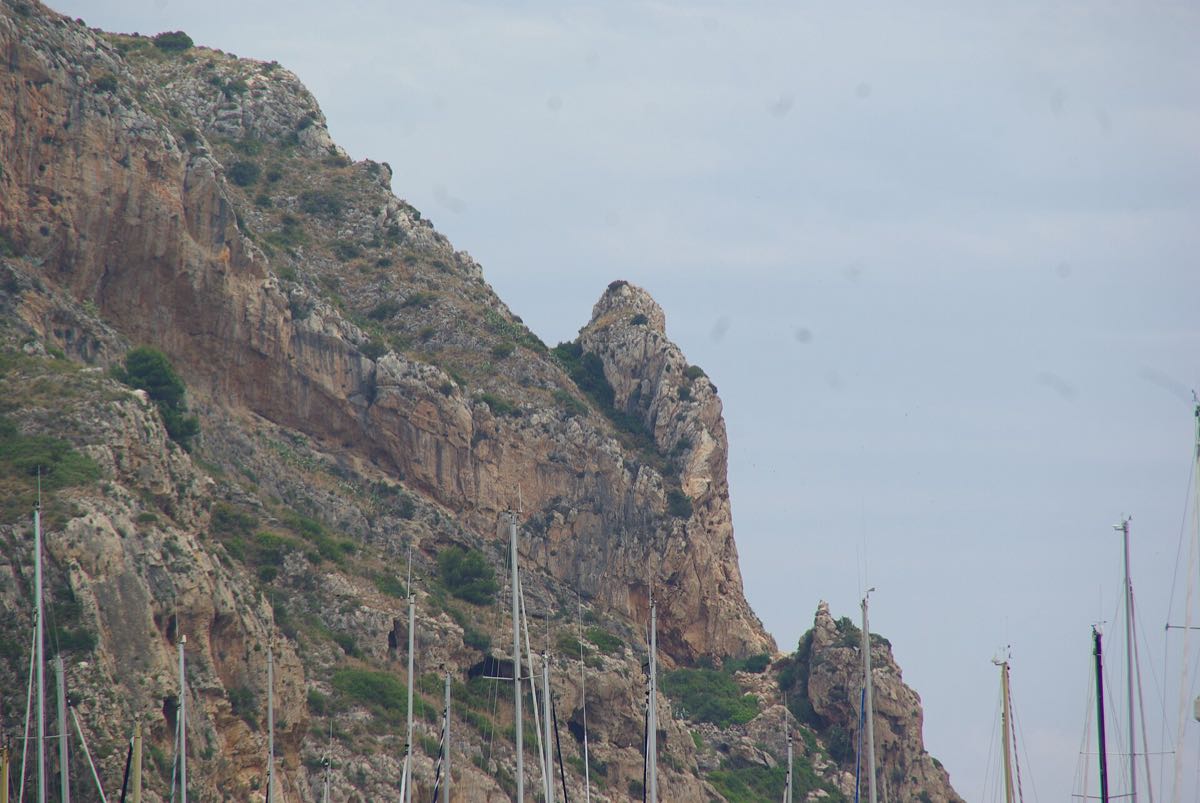
Why the Dutch choose Jávea
The Dutch presence in Jávea is one of the most visible on this stretch of coast — Dutch-run shops, delis stocking familiar groceries, Dutch estate agents and a large property-owning and resident community that has built up over several decades. It sits comfortably alongside strong German and British communities and a Spanish town that has absorbed all three without losing its own character. The appeal most Dutch newcomers describe is familiar: reliable sunshine, a manageable flight home, and a coastal town that works as a proper place to live rather than just a holiday backdrop.
The paperwork path: EU freedom of movement
As with any EU citizen, moving from the Netherlands to Spain carries none of the visa hurdles UK or US nationals now face — the right to live, work and retire in Spain is built into EU treaties, with no permitted-stay clock and no application to win approval for. What remains is registration: after roughly three months of residence you're expected to formalise EU-citizen resident status and obtain an NIE, both processed through Spanish town-hall and police appointments. The legal right is automatic; the local paperwork still isn't. Confirm current registration requirements with a gestor or the extranjería, since procedural detail shifts even when the underlying right doesn't.
Freedom of movement versus the 90/180 rule
The Schengen 90-days-in-180 rule that non-EU visitors have to track simply doesn't apply to Dutch citizens, who can live in Spain indefinitely under EU free movement. The obligation that does apply is registration — formalising resident status once you're actually living here, rather than remaining permanently unregistered. This distinction matters because plenty of forum advice conflates the two; as an EU citizen, your constraint is administrative process, not a day-count.
Money and tax: the headlines
A Netherlands-Spain double taxation agreement exists to prevent being taxed twice on the same income, though which country holds the primary taxing right depends on your residency status and the type of income involved — pensions, AOW, rental income and investment income can each be treated differently. Spanish tax residency broadly follows from spending more than half the year in the country, and it brings meaningfully different obligations to staying Dutch tax-resident with a Spanish second home. This is genuinely advice territory: a cross-border tax adviser who knows both systems is worth engaging before, not after, you move.
Healthcare route for Dutch residents
EU arrangements smooth the transition considerably: a European Health Insurance Card covers temporary stays, but an actual move to Spain generally means registering into, or running cover alongside, the Spanish system rather than relying on Dutch insurance from abroad indefinitely. Once resident and contributing to Spanish social security — as an employee, self-employed worker, or through certain pension routes — you and your family become entitled to a SIP card and the public healthcare network used across town. Many Dutch residents also carry supplementary private cover, largely for speed and language ease.
Schools and language
Dutch families tend to weigh the same choice every nationality does: Spanish state schools, which immerse children fully in Spanish and Valencian and give the fastest route to real integration, against international schools in the wider area teaching in English, often a more comfortable bridge for Dutch children already used to strong English education at home. Day-to-day life in Jávea runs easily in English and, in plenty of shops, in Dutch — but genuine local integration, from the health centre to the town hall, still runs on Spanish.
Community life: where the Dutch connect
Dutch community life here has real depth — long-running social clubs, church groups, sports and hobby associations, and a dense network of Dutch-run businesses that double as informal meeting points. It overlaps generously with the German, British and Spanish communities rather than sitting apart from them, and newcomers who engage across nationalities generally find their social circle widens faster than those who stick to one group.
- Dutch-run cafés, delis and shops that double as informal community hubs
- Church congregations and long-running Dutch social clubs
- Sports clubs — padel, cycling and sailing groups in particular — with mixed-nationality membership
- Online expat groups covering practical questions and social events
What surprises Dutch newcomers
The pace of Spanish administration is the most common adjustment — a country used to efficient, largely digital Dutch bureaucracy meets a system still built around the cita previa appointment, in-person queues and generous lunch closures. The working day shifts too: shops closing mid-afternoon, dinner starting later than most Dutch households are used to, and August slowing the whole country almost to a stop. Housing surprises some as well — Spanish properties often prioritise cool tiled floors and shutters over the insulation standards common in newer Dutch housing, which matters more on a cold, damp winter night than most newcomers expect.
Getting here from the Netherlands: flight or drive
Flying is the overwhelming favourite — Alicante and Valencia airports sit under two hours from Jávea by road, with regular direct flights from Amsterdam, Eindhoven and other Dutch airports. Driving remains a sound option for a full house move or for bringing pets and a car: the route runs down through France and Belgium, usually split across two days, and avoids the baggage limits of flying.
Settling in: the practical first steps
The sequence holds regardless of nationality: NIE, an address to register on the padrón, then formal EU-citizen registration, with banking, healthcare and schooling following from those first three. Deregistering properly in the Netherlands alongside registering in Spain avoids the tax-residency and insurance confusion that catches out newcomers who leave loose ends at home.
- Obtain your NIE, ideally before or shortly after arrival
- Register on the padrón once you have a fixed address
- Register as an EU citizen resident within the expected window
- Complete Dutch deregistration to avoid dual tax-residency issues
- Open a Spanish bank account and register with a local doctor
Quick answers
Do Dutch nationals need a visa to move to Jávea? No. As an EU citizen, you have the right to live, work and retire in Spain without a visa, under EU freedom-of-movement rules. You will still need to complete Spanish registration — an NIE, padrón registration and formal EU-citizen residency registration — but these are administrative steps rather than an immigration application. Confirm the current process with a gestor or the local extranjería, since procedural detail is reviewed periodically.
Is the Dutch community in Jávea easy to plug into? Generally, yes — the Dutch presence here is long-established and visible, with shops, clubs and social groups that make an easy first foothold, though most newcomers find their circle grows fastest once they also mix with the German, British and Spanish communities living alongside it. Engaging beyond your own nationality, and making an effort with Spanish, tends to pay off faster than staying within one language group.
Places in this guide

Tomás Ballestero
★ 5 (72 reviews · checked 7 Jun 2026)

Andrada Ocasión
★ 5 (71 reviews · checked 7 Jun 2026)

Seguros Ocaso
★ 5 (20 reviews · checked 7 Jun 2026)

PD ASSESSORS
★ 5 (13 reviews · checked 7 Jun 2026)
No website
Allianz Seguros
★ 5 (9 reviews · checked 7 Jun 2026)
Vera-Cruanyes Asesores
★ 5 (6 reviews · checked 7 Jun 2026)
Browse all Services in the directory →
Run one of these businesses? Claim your listing free →
💬 Share this guide on WhatsApp
You've just read the free guide — this is the working version you take with you.
Was this guide useful?