Retiring to Jávea: healthcare, winters and the try-a-winter test
Jávea turns up on most 'best places to retire in Spain' lists, and the underlying reasons are real — mild winters, a walkable town centre, decent healthcare and a genuine off-season community. It is not effortless, and the money questions need a professional, not a blog post. Here is the honest version.
Why Jávea keeps appearing on the lists
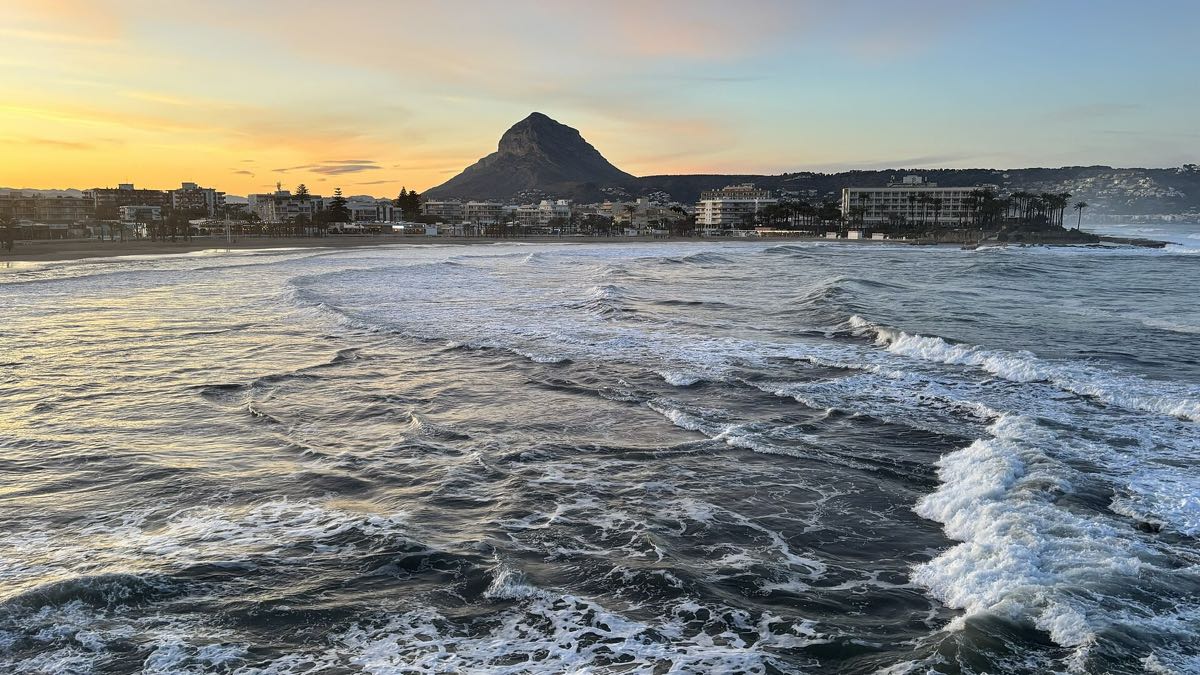
The recurring appearance of Jávea on 'best places to retire in Spain' round-ups is not an accident of marketing — the underlying ingredients are there. A historic old town you can walk without a car for daily errands, a mild winter climate that rarely drops below single figures overnight, a reasonably well-served public healthcare system, and a resident community — not just a holiday one — that gets noticeably more sociable exactly when the calendar is quietest. None of that guarantees a good retirement on its own; it simply removes several of the obstacles that make other locations harder.
Healthcare access, honestly assessed
Jávea's Centro de Salud handles day-to-day public healthcare in town, with Hospital de Dénia (Marina Salud) around 12 km away as the comarca's reference hospital for anything more serious. Access to the public system depends on your situation: UK state pensioners can generally access it via the S1 form arrangement, EU nationals through standard reciprocal rules, and most other retirees need private health insurance, which is also typically required to obtain residency in the first place if you are under the state pension age. Treat any generalisation here — including this one — as a starting point, and confirm your own route with the relevant authority or a specialist adviser before relying on it.
A walkable town — with real limits
The old town and much of the port area support a car-free daily routine: markets, pharmacies, cafés and the health centre are all within reasonable walking distance of a great many addresses. It would be dishonest, though, to claim the whole town is flat and easy — the old town has cobbles and slopes, and several residential areas sit up hillsides where a car, or at least a good pair of legs, remains necessary. If mobility is a genuine concern rather than a hypothetical one, visit and walk the specific streets you are considering before assuming 'walkable' applies uniformly.
The winter community, not the summer one
Retirees who move here full-time consistently report that winter, not summer, is when Jávea's community life actually happens. The town's clubs and informal groups — walking, padel, golf, bridge, choirs, language exchange, charity shops and lunches — run at their fullest through the quieter months, precisely because everyone finally has time and the holiday crowds have gone home. New arrivals settling into retirement here do best by treating that first autumn and winter as the season to join in, not sit out.
Pension and tax headlines — read this, then see a professional
This is the section where honesty matters most, and where a general guide can only go so far. Spain taxes residents on worldwide income once you are formally tax-resident — broadly triggered by spending more than 183 days a year in the country, among other tests — and double-taxation treaties with most home countries exist to prevent being taxed twice on the same income, but the detail of how pensions, savings and property are treated varies significantly by nationality, pension type and personal circumstance. These rules change with government budgets and international treaties. Do not rely on this guide, or any single blog post, for a tax decision — a cross-border financial or tax adviser who knows both your home country's and Spain's rules is a necessary expense before you commit to a date.
The try-a-winter wisdom
Almost every experienced adviser, agent and long-settled resident in Jávea gives new retirees the same advice: rent through a full winter before buying anything. It is the only season that tells the truth — which streets keep afternoon sun in December, whether that charming villa is a cold house without proper heating, how quiet the neighbourhood really gets, and whether the community you are hoping to join is actually active where you have chosen to live. A rushed summer purchase, made on a fortnight's holiday, is the single most common regret among retirees who move too fast.
Staying active, not just settled
Retirement here works best for people planning to stay active rather than simply relocate a sedentary routine to a sunnier postcode. The Montgó natural park and coastal walking routes are at their best from October to April — exactly retirement's most flexible season — and padel, golf, swimming and walking groups all draw a strong, sociable retiree membership. This is less a lifestyle add-on than a core part of why the move tends to work: an active daily rhythm outdoors, rather than a house with a view nobody uses.
Paperwork, in the right order
The registration sequence for retirees is the same as for any newcomer, and it pays to follow it in order rather than trying to shortcut it.
- NIE number first — needed for almost every subsequent step
- A confirmed address (rental or owned) second
- Padrón registration at the town hall third
- Formal residency, with private health insurance if required at that stage
- SIP health card and other services once residency is confirmed
Downsizing, and what it actually costs to live here
Many retirees fund the move by downsizing from a larger family home, and Jávea offers everything from compact port-side apartments to full villas, which makes that trade achievable rather than theoretical. Day-to-day living costs — eating out, local produce, casual services — do tend to run lower than in Northern Europe, though property, utilities and anything imported sit closer to home-country levels. Treat any specific figure you read online with caution; costs vary hugely by property type, area and lifestyle, and the only reliable number is the one you calculate from your own likely spending.
Family, flights and staying connected
A retirement decision rarely happens in isolation from family back home, and Jávea's connectivity is a genuine point in its favour: Alicante and Valencia airports both sit under 90 minutes away with regular routes to most of Northern Europe and the UK, which matters enormously for visits in both directions and for grandchildren who will, realistically, want a reason to come. Factor return-visit costs and frequency into the decision, rather than assuming everyone will simply fly out constantly once you have moved.
Quick answers
Is Jávea a good place to retire? For people who want an active, outdoor, community-based retirement in a walkable Spanish town with decent healthcare access and a genuine off-season social life, yes — consistently and for good reason. It suits those prepared to learn some Spanish, engage with a slower bureaucracy, and get proper tax and healthcare advice before committing. It suits less well anyone expecting a maintenance-free lifestyle, uniform flat terrain, or a permanently English-speaking bubble.
What about healthcare if I retire to Jávea? Jávea has a local Centro de Salud for everyday care and Hospital de Dénia nearby for anything more serious, with the EU-wide 112 line available for emergencies. Your access route into the public system depends on your nationality, age and pension status — UK state pensioners commonly use the S1 arrangement, EU nationals use reciprocal rules, and most other retirees need private insurance, often as a residency requirement. Confirm your specific situation with the relevant authority before assuming any one route applies to you.
Places in this guide

Aventura-T Kayak en Jávea
★ 5 (344 reviews · checked 7 Jun 2026)

The Vets Jávea
★ 5 (291 reviews · checked 7 Jun 2026)

Atina
★ 5 (183 reviews · checked 7 Jun 2026)
Redwood Solar S.L.
★ 5 (110 reviews · checked 7 Jun 2026)

Vive Jávea
★ 5 (88 reviews · checked 7 Jun 2026)
Sonia Garcia Comunicación
★ 5 (72 reviews · checked 7 Jun 2026)
Browse all Services in the directory →
Run one of these businesses? Claim your listing free →
💬 Share this guide on WhatsApp
You've just read the free guide — this is the working version you take with you.
Was this guide useful?