Portitxol & Cala Barraca: Jávea's postcard cove, islet and famous huts
One islet, a string of blue-and-white fishermen's huts and some of the clearest snorkelling water on the Costa Blanca — Portitxol is Jávea's most photographed corner. Here's how to visit it well: the cove, the cross walk, and the etiquette of a beach where people actually live.
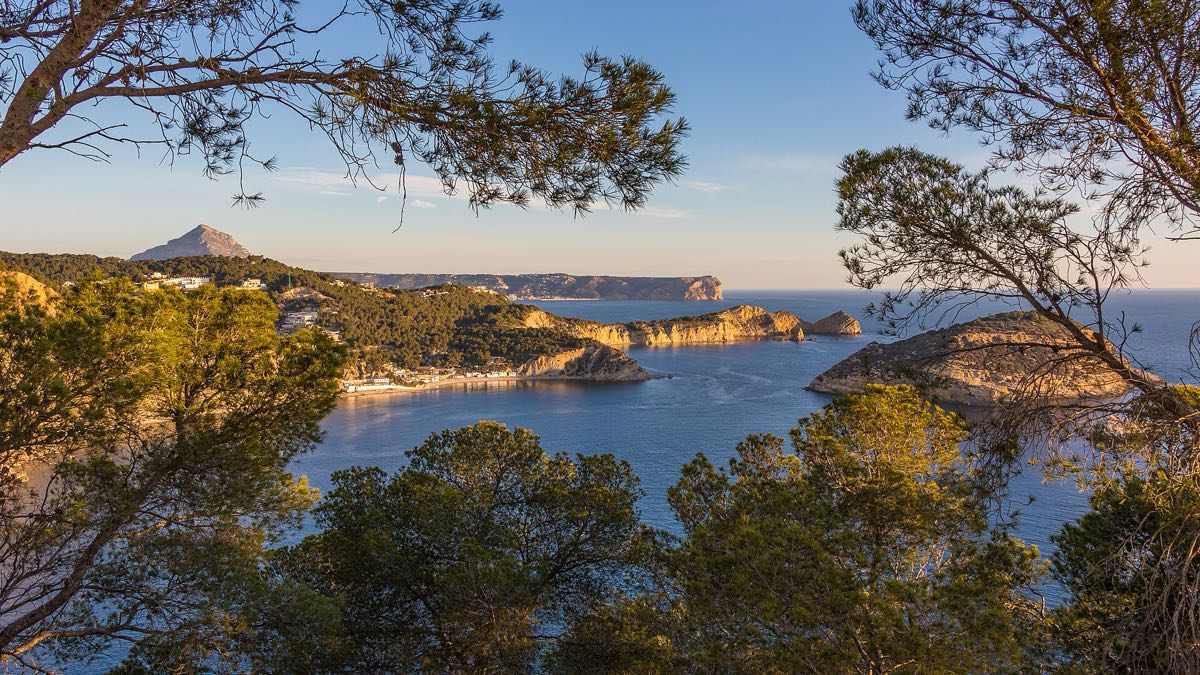
The most photographed cove on the coast
If you have seen exactly one image of Jávea on the internet, it was almost certainly taken here. Portitxol — the cove itself is properly Cala Barraca — is the one with the little island sitting offshore like a moored ship, and the row of fishermen's huts whose blue-and-white doors have launched a thousand profile pictures. It is a small, stony, utterly beguiling place tucked under the headlands south of the port, and it manages a rare double act: worth the hype, and genuinely fragile in the face of it. This guide is about enjoying the first part without adding to the second. Come with modest expectations of comfort and high expectations of scenery, and the cove will comfortably exceed both.
The island view
The Illa del Portitxol is what elevates this cove from pretty to unforgettable. The islet sits close enough offshore to dominate every sightline, its scrubby back rising out of water that shifts from turquoise over the shallows to deep blue in the channel. It anchors the view from the beach, from the coast path, and most famously from the viewpoints on the road above, where the whole composition — headland, channel, island, sea — assembles itself into the Costa Blanca's most reliable postcard. Boats thread the channel all summer; at anchor on a still morning, it is a scene of almost implausible serenity. Locals will tell you the view has been stopping people mid-sentence for generations; the camera phones merely industrialised the habit.
The blue-and-white huts
The barracas that give Cala Barraca its name are old fishermen's boat huts, built into the back of the beach and painted in the blue-and-white livery that has become Jávea's unofficial trademark. They are undeniably lovely and relentlessly photographed — but it's worth remembering what they are: private, working structures in a tiny community, not a film set. Take the photo (everyone does; you will too), but from a respectful distance, and resist the urge to pose in doorways that belong to somebody.
A row of blue doors facing a blue sea — some places don't need to try.
Snorkelling Cala Barraca
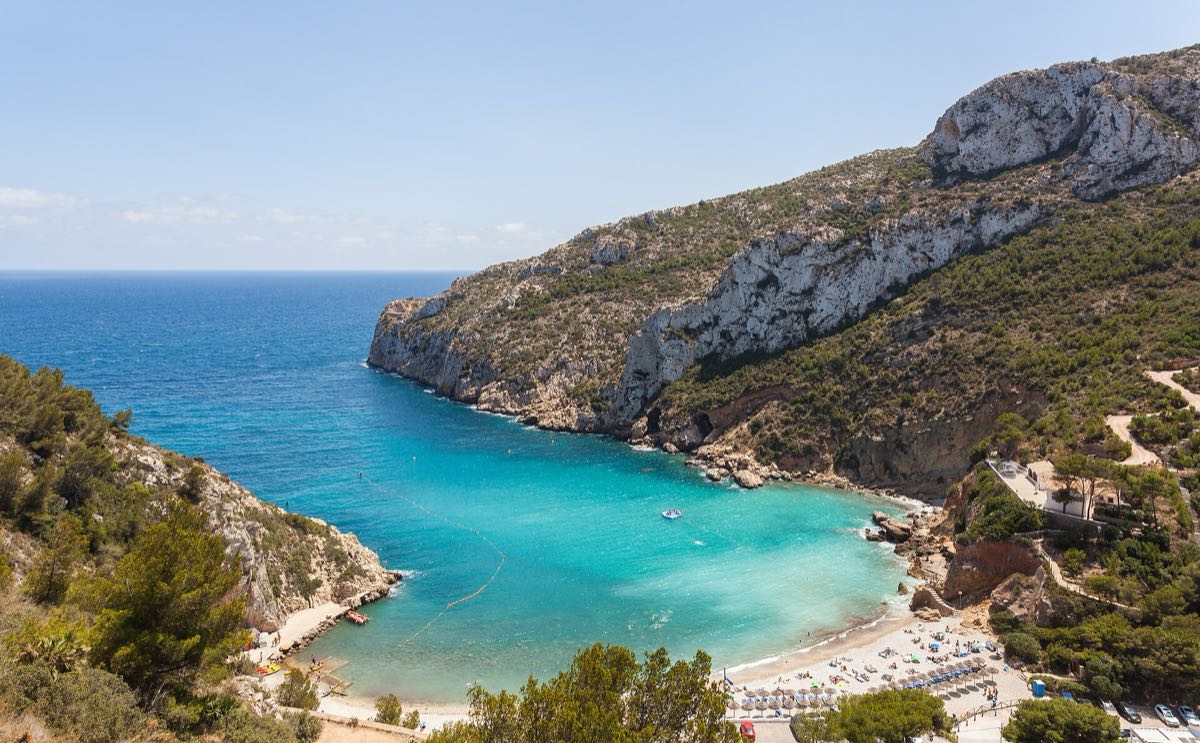
The water here rivals Granadella for clarity, and the snorkelling may be even better: the cove's rocky flanks, the boulders below the headland and the fringes of the channel all hold life. Slip in from the beach and work along either edge, keeping an eye out for boat traffic in the channel — this is a busy anchorage in summer, and the swimming zone is the sensible place to stay. Expect the classic Mediterranean cast: Mornings are calmest and clearest; by afternoon the anchorage chop can stir the shallows.
- Saddled bream and white seabream shoaling over the rocks
- Wrasse flickering through the boulder gaps
- Damselfish clouds in the mid-water
- Octopus, if you're patient with the crevices
- Seagrass meadows shelving into the blue
The islet itself
Strong swimmers eye the channel and kayakers circle the island, and both are memorable outings on a calm day — the seaward side of the islet is wilder, deeper and quieter than anything reachable from shore. But treat the channel with respect: it carries genuine boat traffic through summer, and conditions on the outside of the island are a different proposition from the sheltered cove. A kayak is the smarter vessel than your own arms for the full circumnavigation.
A cove where people live
Here is the thing that separates Portitxol from a mere beauty spot: it is inhabited. Houses stand directly behind the beach, the lane down is narrow and residential, and the cove functions as somebody's front garden long after the last visitor leaves. The etiquette follows naturally — park properly and walk the last stretch rather than forcing the lane, keep noise low, take every scrap of rubbish home, and treat the huts as the private property they are. Portitxol has stayed lovely because most people manage this. Be most people.
The cross walk: Creu del Portitxol
Above the cove, the headland of Cap Prim carries one of Jávea's essential short walks: the path out to the Creu del Portitxol, the white cross that stands on the point with the islet laid out below it. It's roughly half an hour of easy, pine-scented walking from the road above, and the reward is the definitive Portitxol panorama — the island, the channel, the huts reduced to a neat blue-and-white stitch along the shore. Go at golden hour and try to leave.
When to come
Portitxol is at its best at the edges of the day and the edges of the season. Early morning delivers still water and the beach nearly empty; late afternoon sends low light raking across the island. In July and August the cove's small size tells quickly — arrive early or accept a sociable squeeze. In the shoulder months it reverts to what it always was: a quiet fishing cove with an implausibly good view, and arguably the single most rewarding off-season stop on Jávea's coast. Weekdays beat weekends year-round, and a calm sea matters more here than a cloudless sky — the water, not the weather, is the show you came for.
Making a day of it
The cove pairs beautifully with its surroundings. Combine the beach with the Creu del Portitxol walk, then follow the coast road south past the miradores towards Cala Blanca or on to the wild theatre of Cabo la Nao. Or work it into a snorkel-day triple bill with Granadella — the two coves between them cover the best easy underwater ground in the area. Whatever you do, carry water and expect minimal services: Portitxol offers scenery, not infrastructure, and is all the better for it. If you're walking rather than driving, the coast path from the Arenal side makes the arrival itself the first course of the day, with the island appearing and disappearing between the pines as you go.
The light, for photographers
Portitxol is the most photographed subject in Jávea, so a word on doing it justice. The classic elevated composition — island centred, channel curving, huts stitched along the shore — is taken from the viewpoints on the road above the cove, and it works best in the morning when the sun is behind you and the shallows glow their brightest turquoise. Down at beach level, the huts prefer soft light: early, late, or the gift of a bright overcast day that lets the blue doors carry the frame without harsh shadow across them. Golden hour from the Creu del Portitxol turns the whole scene amber and is worth planning an entire day around. And the unfashionable secret: winter, after rain, delivers the clearest air and the emptiest foregrounds of the photographic year.
Quick answers
Can you swim to Portitxol island? Confident open-water swimmers do cross on calm days, but the channel carries real boat traffic in summer, so a kayak or paddleboard is the wiser way to reach the islet. Whatever your vessel, go early when the water is glassy and traffic is light, and stay visible. In rough conditions, admire it from the beach.
Is Portitxol beach sandy? No — Cala Barraca is pebble and shingle, like most of Jávea's coves, which is exactly why the water is so clear. Bring bathing shoes for comfort and a mask for the snorkelling, which is among the best in the area. For sand, head to the Arenal; for this view, there is no substitute.
Where are the blue and white huts in Jávea? The famous huts stand at the back of Cala Barraca, the Portitxol cove south of Jávea's port. They are old fishermen's boat huts, still private property, painted in the blue-and-white that has become the town's signature. Photograph them from a courteous distance — and for the classic elevated shot, walk the Creu del Portitxol path above the cove.
Places in this guide

Siesta Advisor
★ 5 (6,049 reviews · checked 7 Jun 2026)

Kanaloa Aventura
★ 5 (317 reviews · checked 7 Jun 2026)

TRX Live Xàbia
★ 5 (100 reviews · checked 7 Jun 2026)
No website
The Base Javea
★ 5 (90 reviews · checked 7 Jun 2026)

Espacio van Eijle
★ 5 (81 reviews · checked 7 Jun 2026)

Freediving Jávea
★ 5 (63 reviews · checked 7 Jun 2026)
Browse all Things to Do in the directory →
Run one of these businesses? Claim your listing free →
💬 Share this guide on WhatsApp
You've just read the free guide — this is the working version you take with you.
Was this guide useful?