Cala Granadella: Spain's best beach, and how to actually enjoy it
Twice voted the best beach in Spain, Cala Granadella is a pebble amphitheatre of impossibly clear water at the end of a winding pine-forest road. Here's how to time it, snorkel it, and see the wilder cove most summer visitors miss.
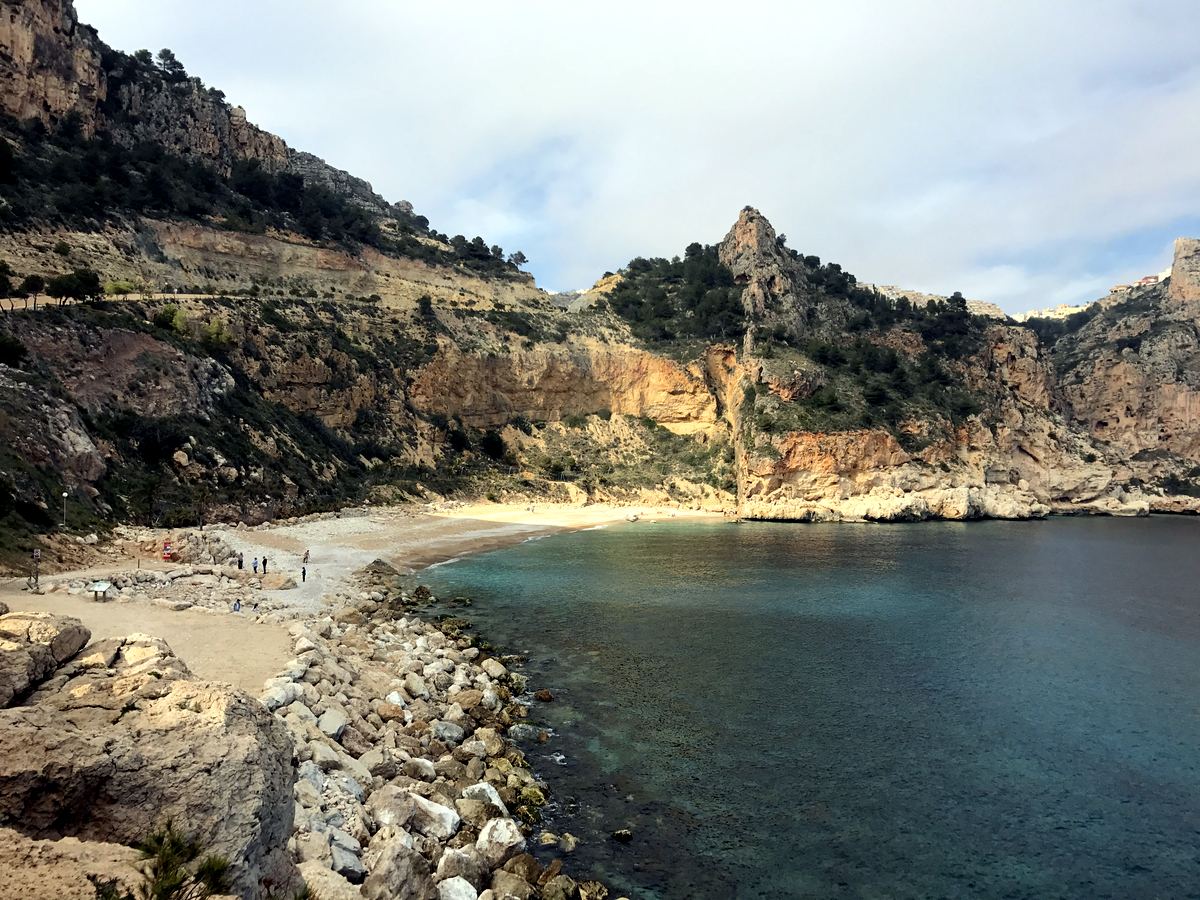
The cove with the trophy cabinet
Beach awards are usually marketing; this one survives contact with reality. Cala Granadella has twice been voted the best beach in Spain in national polls, and the first time you crest the final bend and see it — a white-pebble horseshoe framed by pine-covered headlands, the water running from glass-clear shallows to deep sapphire — you stop wondering how a beach with no sand wins beauty contests. Granadella is small, wild-edged and almost absurdly photogenic, and it has become the single most coveted patch of coastline in Jávea. That popularity comes with rules, which we'll get to. First, the good news: it's every bit as lovely as the photographs insist. It is also, usefully, the southern anchor of any good Jávea coast day — the reward at the end of the miradores road.
The drive down through the pines
The approach is half the day out. The road leaves the plateau above Jávea and drops through the Granadella forest park in a run of tight hairpins, pines crowding both verges and the blue of the bay flickering between the trunks. It's a proper descent — narrow in places, and best driven with patience in summer when cyclists and pedestrians share it — and it builds the reveal beautifully. By the time the cove opens out at the bottom, you've earned it.
The road doesn't take you to Granadella so much as lower you into it, one pine-scented hairpin at a time.
Pebbles, and why they matter
Granadella is a pebble beach, and the pebbles are the point. With no sand there is nothing to cloud the water, which is why it stays so startlingly clear — clear enough to watch fish cruise the shallows from dry land. The pebbles are smooth, pale and warm underfoot, though bathing shoes make getting in and out far more comfortable. The cove faces east-southeast, so the water catches full morning sun — swim in the first half of the day and the colours repay you.
Snorkelling and kayaking
Granadella is the finest easy snorkel in Jávea. The rocky arms of the cove hold bream, wrasse, damselfish and the occasional octopus, with seagrass meadows further out and rock formations that reward a slow flipper along either edge. Kayaks and paddleboards open up the coastline beyond the cove — caves, clefts and swim-through corners you simply cannot reach on foot. In summer, hire is usually available at the cove itself; out of season, bring your own or book ahead.
- Mask and snorkel — the single best investment of your day
- Bathing shoes for the pebbles
- Water and snacks — services here are minimal by design
- A dry bag if you're kayaking the caves
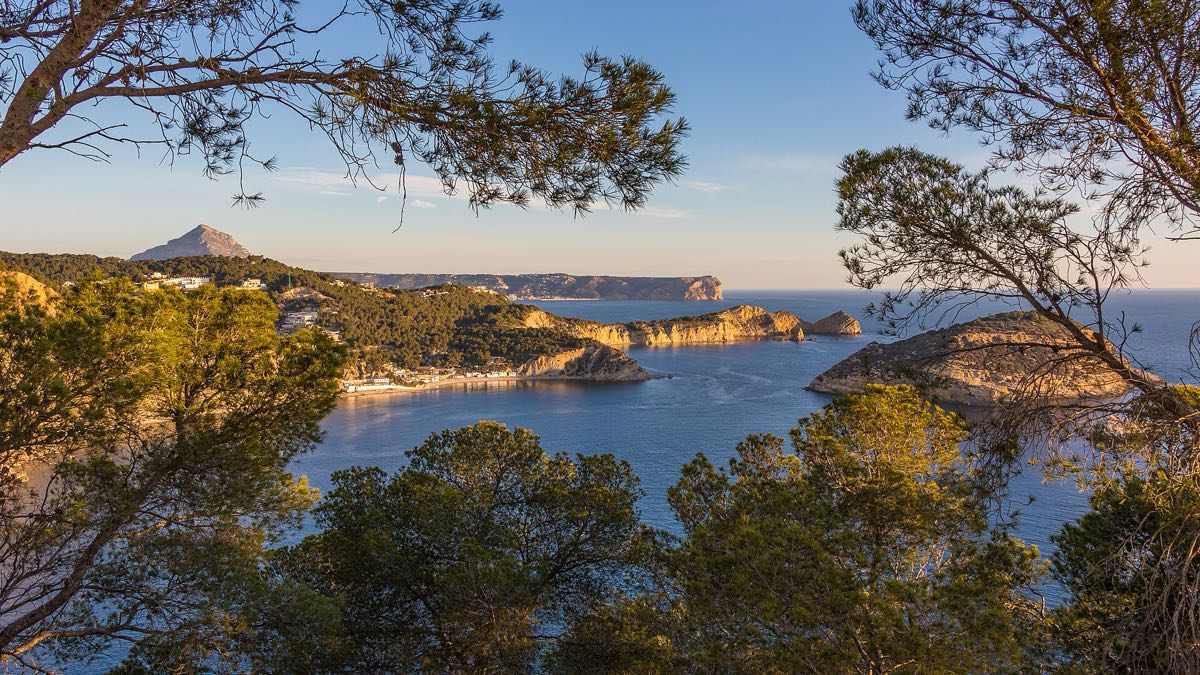
Summer access: the early bird rule
July and August come with a built-in defence mechanism. The car park at the bottom is small, and once it fills — often before mid-morning in peak weeks — the road down is closed to further cars. That's a feature, not a failure: it stops the cove becoming the crush everyone drove down to avoid. But it means summer visits demand strategy: arrive early in the morning, come late in the afternoon as the first shift leaves, or arrive by sea and dodge the road altogether.
Off-season: the connoisseur's Granadella
From October to May the crowds drain away. The sea keeps its warmth deep into autumn, the light turns low and golden, and a bright winter weekday can hand you Spain's best beach almost empty — a few swimmers, someone fishing off the rocks, the pines above. If you have any flexibility at all in when you visit Jávea, this is the argument for the shoulder seasons in a single cove. The beach restaurants keep shorter hours outside summer, so pack a picnic and treat any open kitchen as a bonus rather than a plan. Bring a book, and prepare to look up from it constantly.
The pines: a recovery story
The forest that frames Granadella carries a scar and a lesson. In September 2016, a wildfire swept through the pinewoods above the cove, burning a painful swathe of the Granadella forest park. Nearly a decade on, the recovery is well underway — regrowth has greened the slopes, the trails have long since reopened, and the young pine is filling in around the survivors. Walk the forest paths today and you can read the story in the vegetation: what burned, what endured, and how quickly this landscape heals when given the chance.
Walks from the cove
Granadella rewards those who arrive in walking shoes. The best short outing climbs the southern headland to the ruins of the old Granadella fort, an eighteenth-century coastal battery with a commanding view back over the cove — twenty-odd minutes of easy path for one of the finest vantage points in Jávea. Longer trails thread through the forest park above, linking viewpoints over the cliffs, and the serious-legged can push on along the coast towards the wild coves of the Benitatxell cliffs.
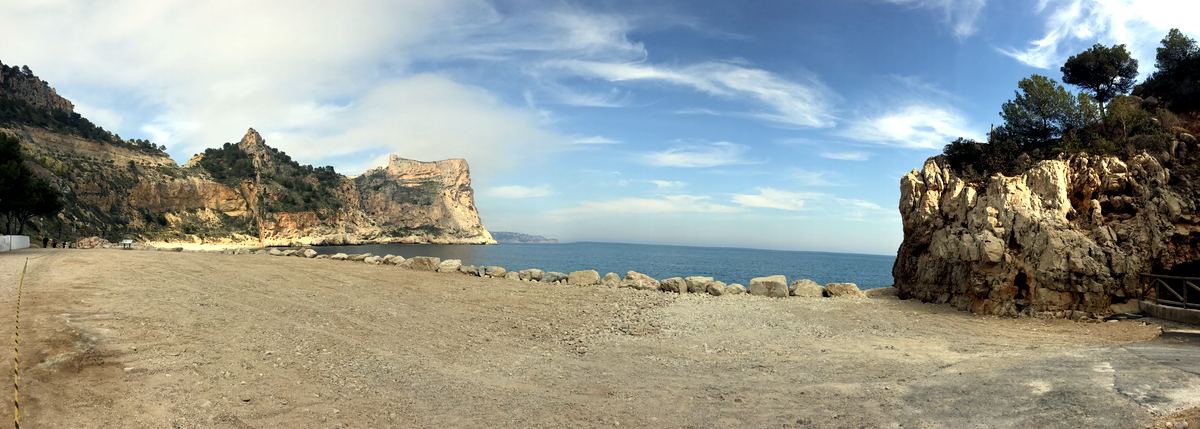
Practicalities
Granadella runs lean, and that's part of its charm. There are a couple of modest beach restaurants at the cove — perfectly placed for a long lunch with your feet still damp — but beyond that, services are minimal: this is not the Arenal, and there is no promenade of fallbacks. Bring water, bring shade if you burn, and carry your rubbish out. The nearest everything-else is back up the hill in Jávea proper, a fifteen-minute drive that feels like re-entering the modern world. Phone signal survives the descent; dignity on the pebble walk is less guaranteed, hence the bathing shoes. Note too that the cove loses the sun earlier than the plateau above as the headlands throw their afternoon shade, so plan the main swim for the morning side of the day.
Arriving by sea
There is a second way into Granadella, and it involves no hairpins and no car park arithmetic: arrive on the water. Boat trips and charters work this stretch of coast through the season, and the approach from the sea is the cove's best angle — the pine line lifting off the cliffs, the water lightening from deep blue to turquoise as the seabed climbs beneath you. Kayakers make the trip too, paddling down the coast past caves and headlands that road-bound visitors never see, and landing on the pebbles with the quiet smugness of people who skipped the queue. In August, when the road gate has swung shut behind the morning's lucky few, the sea stays open to anyone with a boat or a paddle. It is the loophole the cove itself would approve of.
Quick answers
Is Cala Granadella sandy? No — Granadella is a pebble cove, and the pebbles are precisely why the water is clear enough to count pebbles from dry land. Bathing shoes make getting in and out far more comfortable. If you need sand under your towel, the Arenal in Jávea is the sandy option; Granadella trades sand for the best swimming and snorkelling water in the area.
How do I get to Granadella in August? Drive down early — the small car park fills quickly in high summer, and once it does, the access road closes to cars until spaces free up. Aim to arrive by 9am, or come after 5pm when the first wave leaves. Alternatively, arrive by kayak or boat trip and bypass the road entirely.
Is Granadella good for snorkelling? It's the best easy snorkel in Jávea. The rocky edges of the cove hold bream, wrasse, damselfish and octopus in gin-clear water, and the coastline beyond opens into caves and clefts best reached by kayak. Bring your own mask outside high season; in summer, hire is usually available at the cove.
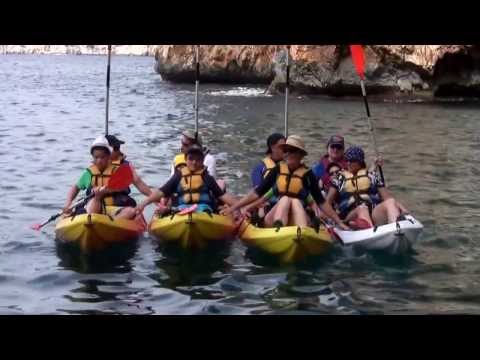 Kayak: la Granadella a la Cova del Llop Marí (Xàbia Turisme)
Places in this guide

Siesta Advisor
★ 5 (6,049 reviews · checked 7 Jun 2026)

Kanaloa Aventura
★ 5 (317 reviews · checked 7 Jun 2026)

TRX Live Xàbia
★ 5 (100 reviews · checked 7 Jun 2026)
No website
The Base Javea
★ 5 (90 reviews · checked 7 Jun 2026)

Espacio van Eijle
★ 5 (81 reviews · checked 7 Jun 2026)

Freediving Jávea
★ 5 (63 reviews · checked 7 Jun 2026)
Browse all Things to Do in the directory →
Run one of these businesses? Claim your listing free →
💬 Share this guide on WhatsApp
You've just read the free guide — this is the working version you take with you.
Was this guide useful?