Jávea Old Town (El Pueblo): the authentic core
El Pueblo is Jávea’s historic inland core — tosca-stone streets, the fortress-church of San Bartolomé, the covered Mercat and the Thursday market. Authentically Spanish and lived-in year-round; the value-and-character end of the town.
The character
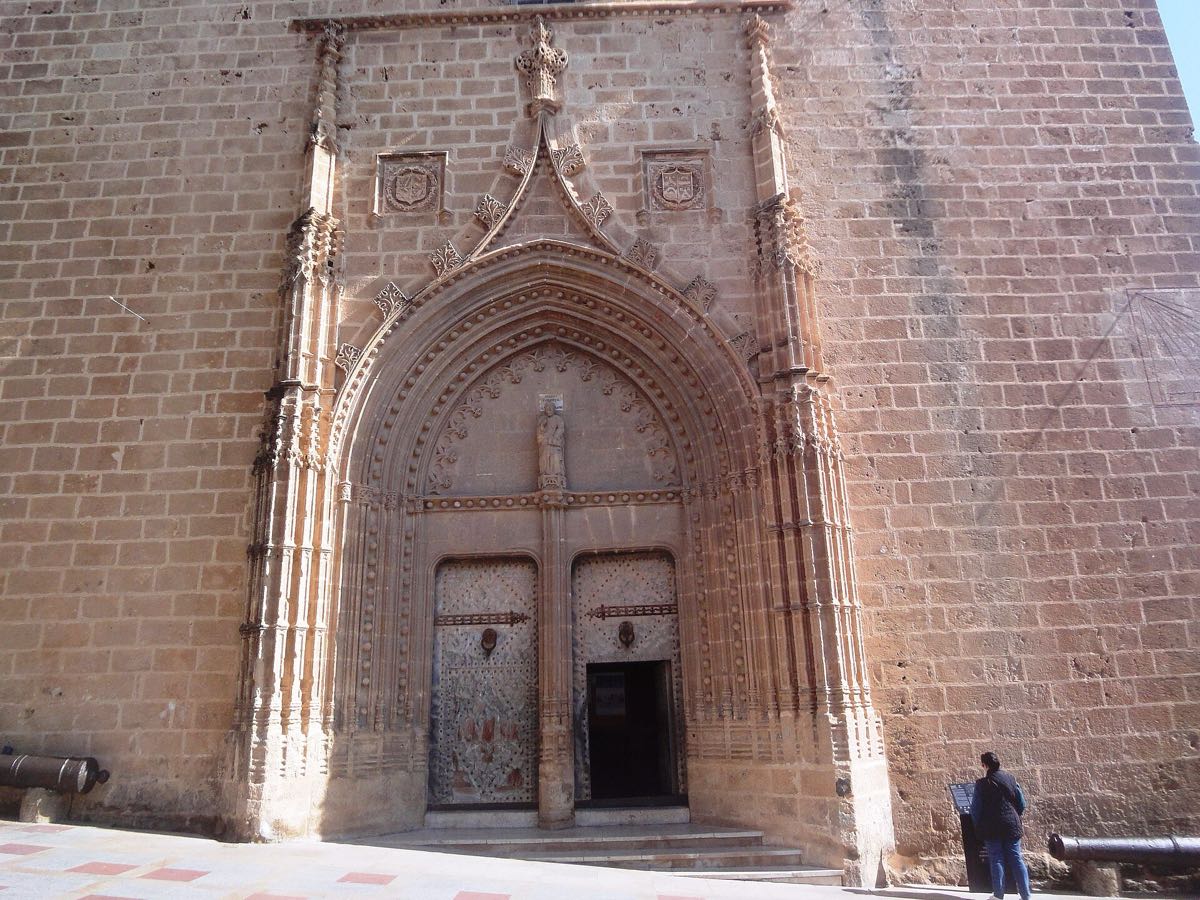
About two kilometres back from the sea at the foot of the Montgó, the Old Town is a beautifully preserved core of honey-coloured tosca-stone streets. The fortress-church of San Bartolomé, the covered Mercat Municipal, shaded plazas and tapas bars set the tone; the Thursday street market fills the lanes. It is the most authentically Spanish and most year-round of the three towns — the corner of Jávea that would carry on essentially unchanged if tourism stopped tomorrow. Of all the town’s addresses, this is the one you buy with your ears as much as your eyes: church bells, café chatter, shutters at siesta.
The Arenal sells you the sea and the Montgó sells you the view. El Pueblo sells you the town itself.
The Coastal Record
Stone with a history
The old town’s signature is tosca — the golden, fossil-flecked sandstone quarried locally for centuries, framing doorways and windows along the old lanes. At its heart stands San Bartolomé, a fortress-church in the most literal sense: built to shelter the population when corsairs raided this coast, all buttress and gun-slit gothic, and still the gravitational centre of town life. The surrounding streets keep their defensive huddle — narrow, shaded, inward-looking — which is precisely what makes them such a pleasure to live in through a Spanish summer. Heritage protection keeps facades honest, so the streetscape you fall for is the one you keep.
The Mercat and the Thursday market
Daily life orbits the covered Mercat Municipal — fish, fruit, butchers and banter under one roof, the kind of food shopping the rest of Europe now builds nostalgia-themed halls to imitate. On Thursdays the street market takes over the surrounding lanes with produce, flowers, clothes and agreeable clutter, and half the comarca seems to drift through. For residents these are not attractions but infrastructure: the Mercat is simply where breakfast comes from. Build your week around it for a month and the supermarket run starts to feel like a defeat.
Tapas and the plazas
The plaza tapas scene is one of Jávea’s three dining centres, alongside the port’s seafood and the Arenal’s promenade. The register here is unhurried: shaded tables, cold beer, plates that arrive when they arrive, prices that remind you the old town is where locals actually eat. Evenings build gently — families first, then the late Spanish shift — and the whole thing runs year-round, because the customers live here. The directory picks below are the top-rated eat-and-drink spots across the town.
Homes and value
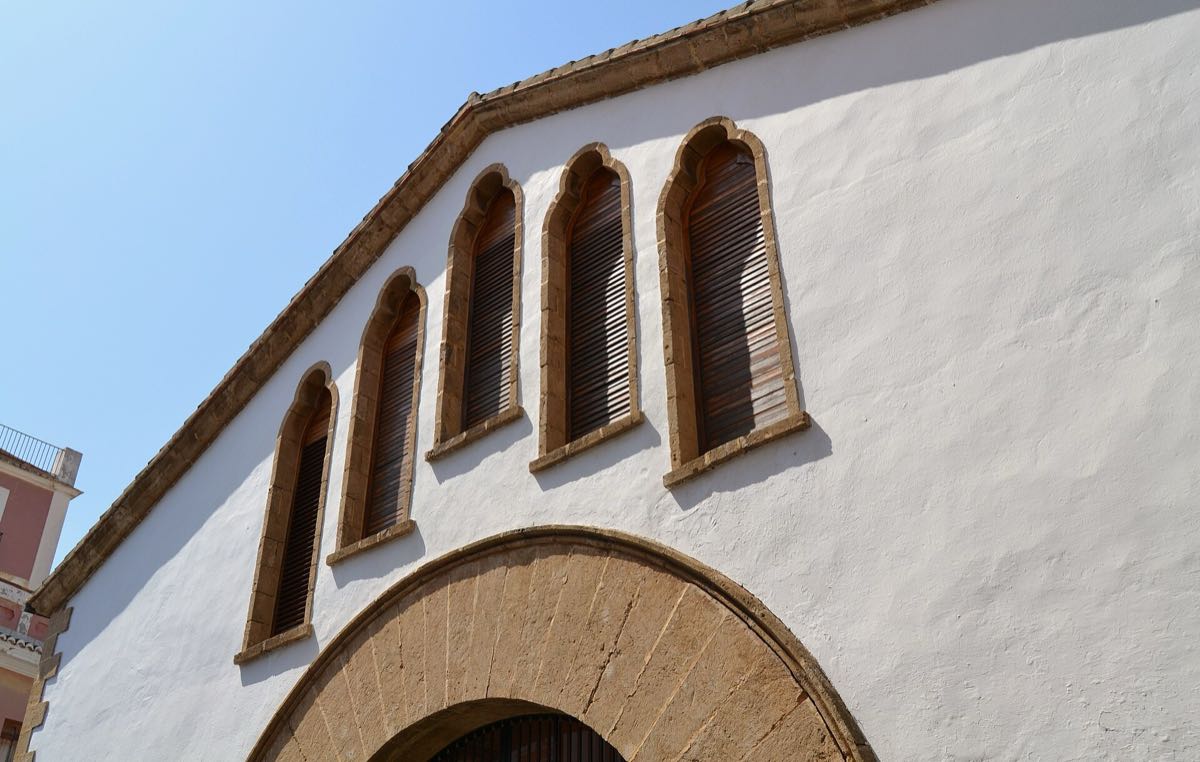
Stock here is townhouses and casas de pueblo rather than resort apartments — many of them renovation projects with patios, roof terraces and centuries of habit. Guide prices run roughly €150k–€450k, which makes El Pueblo the value-and-character end of Jávea; the portals have put the old-town core near the cheapest €/m² in town, against the priciest coves at the other extreme. That gap is the town’s widest arbitrage: the same money buys a one-bedroom flat near the sand or a whole house with a roof terrace and the Montgó filling the kitchen window.
The renovation question
A meaningful share of old-town stock needs work, from cosmetic refresh to back-to-the-stone rebuilds, and that is where both the bargains and the misadventures live. The rewards are real — original tosca, patios, town views — but old buildings in a protected core come with rules about what you may alter and surprises about what previous owners already did. Jávea’s advantage is a deep local bench of architects and builders who have done this exact job many times before, most of them comfortable working in English.
Who it suits
Buyers who want a real, lived-in Spanish town — daily bread from the Mercat, a fiesta calendar on the doorstep, neighbours who live here all year — rather than a beach base. It particularly suits full-time residents, remote workers who want life outside the front door in February, and anyone whose Spain fantasy involves a roof terrace rather than a pool. You’ll want a car for the beaches, about 2 km away, but the town itself is walkable end to end. Sun-lounger loyalists and buyers who need a sea view should be honest with themselves and look coastward.
The year in El Pueblo
Because the old town is the most Spanish of the three centres, its calendar is the town’s heartbeat: the fiesta cycle threads through the year, the Thursday market never misses, and winter — far from being the off-season — is when the plazas belong most completely to the people who live here. Summer evenings bring visitors up from the coast for dinner, which the old town absorbs with good grace and better tapas. If you want a single test of the zone, come in late January: if you enjoy it then, you will love it always.
Practicalities
Walkability is excellent within the town (about 85/100), and the essentials — Mercat, banks, pharmacies, the town hall for your paperwork — are all in the core. Parking inside the old lanes is the one genuine friction; most residents keep the car at the edge and walk in, which is no hardship given the distances. The beach is ~2 km, the international school ~5 km, and Alicante airport ~93 km. Sea views are the scarce commodity here — roughly 15% of homes, mostly upper terraces — so if one matters to you, say so early and expect to pay for it.
Quick answers
How far is the old town from the beach? About two kilometres to the nearest sand — a few minutes by car or a manageable cycle, but not a stroll with beach kit. Most old-town residents treat the beach as an outing rather than a doorstep amenity, and consider the trade against price and character well worth it.
Is the old town dead in winter? The opposite — it is the most alive corner of Jávea in winter. The Mercat, the Thursday market, the plazas and the fiesta calendar all run year-round because the customers are residents, not tourists. If anything, January is when El Pueblo is most itself.
Are old-town townhouses risky to buy? Not inherently, but many are renovation projects in a protected historic core, so diligence matters: commission a structural survey, check what the heritage rules allow, and use a local architect who knows the streets. Done properly, they are the best value-for-character purchase in town.
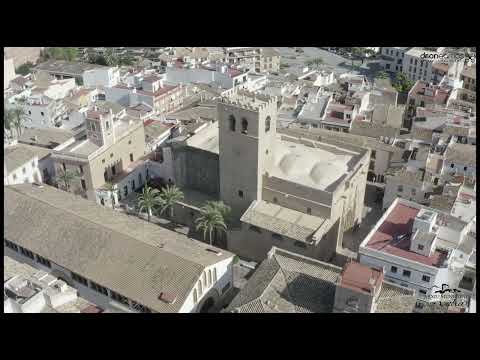 Església Fortalesa de Sant Bertomeu, Xàbia (Arxiu Municipal de Xàbia)
Schematic map — neighbourhood dots sit in their true relative positions from real coordinates; headland labels mark approximate compass bearings. Not to scale, and walking times are approximate.
Not sure which area? Take the 2-minute quiz →
Businesses & distances in Old Town (El Pueblo) →
Homes for sale in Old Town (El Pueblo) → · Long-term rentals →
Homes for sale & rent in Old Town (El Pueblo) →
💬 Share this guide on WhatsApp
You've just read the free guide — this is the working version you take with you.
Was this guide useful?